Cotyledon pendens, commonly known as trailing jade, is a stunning succulent that adds a touch of elegance to any indoor or outdoor garden. Its beautiful, fleshy leaves and trailing growth habit make it an attractive choice for hanging baskets or as a unique ground cover. However, like all plants, it requires specific care to thrive. Are you ready to learn how to keep your Cotyledon pendens healthy and flourishing? Let’s delve into the five essential care tips you need to know!
Quick Answer
To care for your Cotyledon pendens, provide well-draining soil, ensure adequate sunlight, water appropriately, maintain a suitable temperature, and fertilize during the growing season. Following these tips will help your trailing jade thrive and grow beautifully.
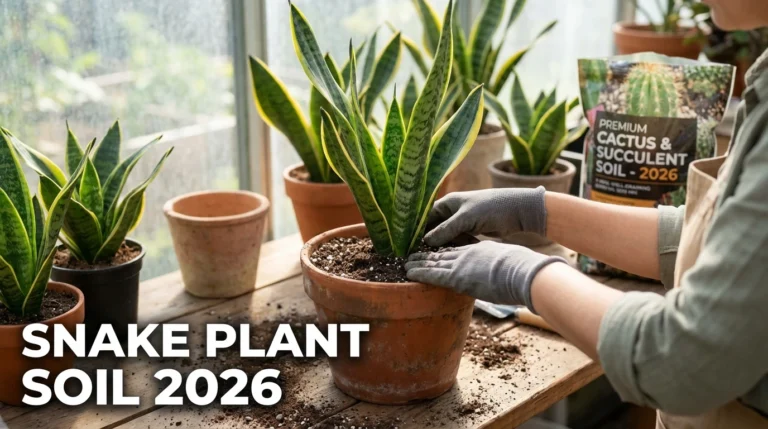
1. Choosing the Right Soil
The foundation of a healthy plant begins with the right soil. Cotyledon pendens thrives in well-draining soil that prevents root rot, a common issue with succulents. Here’s how to choose and prepare the perfect soil mix:
Soil Composition
- Cactus Mix: Opt for a high-quality cactus or succulent mix available at most garden centers. These mixes are designed to allow for proper drainage and aeration.
- DIY Mix: If you prefer making your own, combine equal parts potting soil, coarse sand, and perlite or pumice. This combination encourages quick drainage.
Pot Selection
- Drainage Holes: Always use pots with drainage holes. This feature helps excess water escape, reducing the risk of root rot.
- Material Matters: Terracotta pots are excellent for succulents since they are porous and allow moisture to evaporate more quickly. Plastic pots retain moisture, so consider your watering habits when selecting.
2. Sunlight Requirements
Sunlight is crucial for the healthy growth of Cotyledon pendens. This succulent loves bright light but can also tolerate partial shade. Here’s what you need to know:
Optimal Light Conditions
- Bright Indirect Light: Place your Cotyledon in a location where it receives several hours of bright, indirect sunlight each day. A south or west-facing window is ideal.
- Adjusting Light Exposure: If your plant starts to stretch or lose its vibrant color, it may not be getting enough light. Move it closer to the light source or consider using grow lights, especially during the winter months.
Signs of Insufficient Light
- Stretching: If the stems become elongated and the leaves spaced apart, your plant is likely reaching for more light.
- Pale Leaves: Leaves losing their vibrant color indicate insufficient sunlight. A well-lit environment will promote lush green foliage.
3. Watering Wisely
Watering is often the trickiest aspect of succulent care. Cotyledon pendens, like other succulents, prefers dry conditions. Here are some key points to consider:
Watering Technique
- Soil Check: Always check the soil moisture before watering. Stick your finger about an inch deep into the soil; if it feels dry, it’s time to water.
- Deep Watering: When you do water, ensure to soak the soil thoroughly until water drains from the bottom of the pot. This encourages healthy root development.
Watering Schedule
- Frequency: Generally, water your Cotyledon pendens every 2-3 weeks in the growing season (spring and summer). In the dormant season (fall and winter), reduce watering to once every 4-6 weeks.
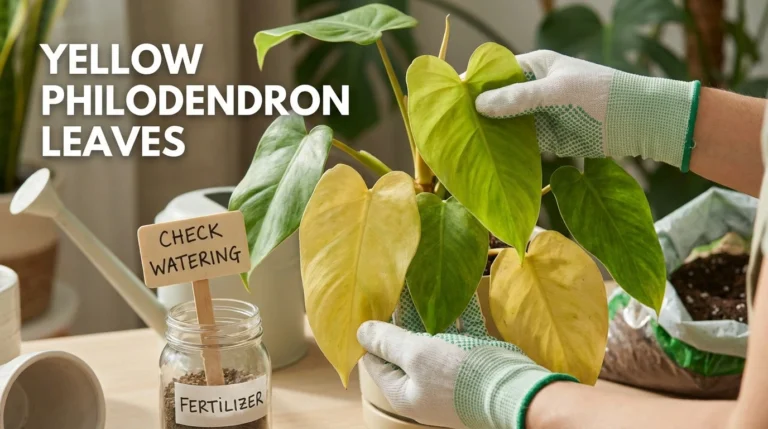
- Signs of Overwatering: Yellowing leaves and mushy stems are indicators of overwatering. If you notice these signs, cut back on watering and ensure proper soil drainage.
4. Temperature and Humidity Levels
Cotyledon pendens thrives in moderate temperatures and low humidity, making it suitable for many indoor environments. Here’s how to maintain the right conditions:
Ideal Temperature Range
- Daytime Temperatures: Aim for temperatures between 70°F to 80°F (21°C to 27°C) during the day.
- Nighttime Temperatures: At night, temperatures should ideally drop to around 50°F to 60°F (10°C to 15°C).
- Cold Sensitivity: Protect your plant from frost and extreme cold. If temperatures drop below 40°F (4°C), consider bringing your Cotyledon indoors.
Humidity Preferences
- Low Humidity: This succulent prefers dry air; avoid placing it in overly humid environments. Ideal humidity levels are around 30% to 50%.
- Indoor Considerations: If your home is particularly humid, consider using a dehumidifier or placing your plant in a less humid room.
5. Fertilization for Growth
While Cotyledon pendens doesn’t require heavy feeding, providing essential nutrients can promote growth and vibrancy. Here’s how to fertilize your plant effectively:
Fertilizer Type
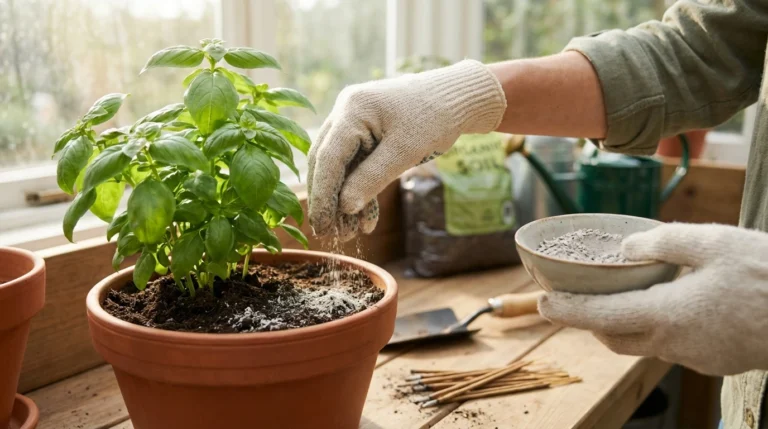
- Balanced Fertilizer: Use a balanced, water-soluble fertilizer diluted to half strength. Look for a formula with equal parts nitrogen, phosphorus, and potassium (e.g., 10-10-10).
- Succulent-Specific Fertilizers: Consider using fertilizers specifically designed for succulents, as they typically provide the right nutrient balance.
When to Fertilize
- Growing Season: Fertilize your Cotyledon pendens every 4-6 weeks during the active growing season (spring and summer).
- Dormant Period: Do not fertilize during the fall and winter months when the plant is dormant, as it doesn’t require additional nutrients during this time.
Unique Ideas for Displaying Cotyledon Pendens
If you’re looking to showcase your Cotyledon pendens, consider these creative ideas that will inspire you and elevate your home decor:
- Hanging Baskets: Create a stunning display by planting your Cotyledon in hanging baskets. The trailing vines will create a beautiful cascade of greenery.
- Wall Planters: Use wall-mounted planters to save space and add a unique touch to your walls. The trailing nature of the plant will add depth and interest.
- Mixed Succulent Arrangements: Combine Cotyledon pendens with other succulents in a shallow dish or pot for a visually striking centerpiece.
- Terrariums: Incorporate Cotyledon into a succulent terrarium for an eye-catching indoor garden display. Ensure proper drainage within the terrarium.
- Outdoor Rock Gardens: Plant Cotyledon pendens in rock gardens for a natural look. Its trailing habit complements the rugged textures of stones beautifully.
Expert Tips for Thriving Cotyledon Pendens
Here are some insider tips to ensure your Cotyledon pendens flourishes:
- Rotate Your Plant: Rotate your Cotyledon pendens every few weeks to ensure even growth and exposure to sunlight.
- Propagation: This succulent is easy to propagate! Simply take leaf cuttings, let them dry for a few days, and then place them in moist soil.
- Watch for Pests: Keep an eye out for mealybugs and aphids. If you spot any, remove them with a gentle soap solution or neem oil.
- Seasonal Adjustments: As seasons change, be mindful of adjusting your watering and light exposure to meet your plant’s needs.
Common Questions (FAQ)
How often should I water Cotyledon pendens?
Water your Cotyledon pendens every 2-3 weeks during the growing season and reduce to once every 4-6 weeks in the dormant season.
Can Cotyledon pendens survive outdoors?
Yes, Cotyledon pendens can thrive outdoors in warm climates. Ensure it’s protected from frost and extreme temperatures.
What pests bother Cotyledon pendens?
Common pests include mealybugs and aphids. Regularly inspect your plant and treat any infestations promptly.
How do I propagate Cotyledon pendens?
Propagate by taking leaf cuttings, letting them dry for a few days, and then planting them in well-draining soil.
What should I do if my Cotyledon pendens is wilting?
Wilting can be a sign of overwatering or underwatering. Check the soil moisture and adjust your watering routine accordingly.
Conclusion
Caring for your Cotyledon pendens can be a rewarding experience as you watch this beautiful succulent thrive under your care. By following these essential tips—choosing the right soil, providing adequate sunlight, watering wisely, maintaining appropriate temperatures, and fertilizing correctly—you’ll ensure your trailing jade remains healthy and vibrant. So, grab your gardening tools and give your Cotyledon the love it deserves!