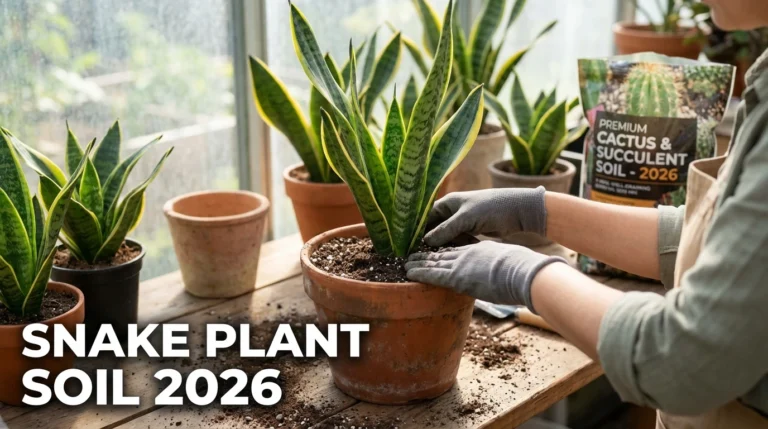
Choosing the right potting soil for your snake plants can make all the difference in their growth and overall health. These hardy plants, known for their resilience and air-purifying qualities, thrive in specific soil conditions that promote drainage and aeration. With so many options available, it can be overwhelming to determine which potting soil will best suit your snake plants. This guide will break down the best potting soil recommendations for 2026, providing you with actionable insights and tips to keep your snake plants thriving.
Quick Answer
The best potting soil for snake plants should be well-draining with a good balance of organic matter and aeration. A mix that includes cactus soil, perlite, and peat moss is ideal. This combination ensures that the soil retains moisture without becoming waterlogged, which can lead to root rot.
Understanding Snake Plant Soil Needs
Before diving into specific recommendations, it’s essential to understand what makes the ideal potting soil for snake plants. These plants, also known as Sansevieria, prefer a soil mix that mimics their native environment. Here are key factors to consider:
1. Drainage
Snake plants are susceptible to root rot, so a well-draining mix is crucial. Soil that retains too much moisture will harm their roots.
2. Aeration
Good aeration allows roots to breathe and grow. A compacted soil mix can suffocate the roots, leading to poor growth.
3. Nutrient Content
While snake plants do not require nutrient-rich soil, a mix with some organic matter can help support healthy growth.
Best Potting Soil Recommendations for 2026
Here’s a curated list of potting soils that cater specifically to the needs of snake plants. Each option below balances aeration, drainage, and nutrient content.
1. FoxFarm Ocean Forest Potting Soil
- Composition: This mix contains a blend of earthworm castings, fish emulsion, and crab meal, providing a light texture and nutrient boost.
- Benefits: Excellent drainage and aeration, making it ideal for snake plants.
- Usage: Use as a base and mix it with perlite for enhanced drainage.
2. Miracle-Gro Cactus, Palm & Citrus Potting Mix
- Composition: This mix is formulated specifically for desert plants and contains sand and perlite.
- Benefits: Well-draining and promotes moisture retention without becoming soggy.
- Usage: Use directly for snake plants or blend with a bit of peat moss for added organic material.
3. Espoma Organic Cactus Mix
- Composition: Contains a blend of sphagnum peat moss, perlite, and limestone.
- Benefits: Provides a lightweight, well-draining mix that encourages healthy root growth.
- Usage: Ideal for snake plants and other succulents; no additional amendments needed.
4. Black Gold Natural & Organic Potting Mix
- Composition: A rich blend of compost, perlite, and pumice.
- Benefits: Retains moisture while ensuring excellent drainage.
- Usage: Can be used alone or mixed with additional perlite for improved drainage.
5. Dr. Earth Organic Potting Soil
- Composition: Contains a blend of compost, perlite, and worm castings.
- Benefits: High in organic matter, provides essential nutrients, and maintains good drainage.
- Usage: Perfect for those looking for a more organic option for snake plants.
Mixing Your Own Potting Soil
If you prefer a DIY approach, creating your own potting mix for snake plants can be rewarding and cost-effective. Here’s a simple recipe to get you started:
DIY Potting Soil Recipe
Ingredients: 2 parts cactus potting soil 1 part perlite 1 part peat moss or coconut coir
Instructions:
- In a clean container, combine the cactus potting soil with perlite and peat moss.
- Mix thoroughly to ensure an even distribution of all ingredients.
- Store any excess mix in a sealed bag for future use.
This mix will provide the ideal conditions for your snake plants, allowing them to thrive.
Ideas for Snake Plant Displays
Creating a visually appealing display for your snake plants can enhance your home décor. Here are some inspiring ideas:
1. Layered Plant Stands
Use multi-tiered plant stands to showcase your snake plants at varying heights, adding depth to your space.
2. Decorative Pots
Choose colorful or unique pots that complement your home décor while allowing for proper drainage.
3. Grouping with Other Succulents
Pair your snake plants with smaller succulents in a mixed planter for a stunning arrangement.
4. Hanging Displays
Use macramé hangers to display snake plants at eye level, creating an interesting focal point.
5. Windowsill Garden
Create a mini garden on your windowsill using various sizes of snake plants to catch sunlight.
Expert Tips for Maintaining Healthy Snake Plants
Keeping your snake plants healthy goes beyond just selecting the right potting soil. Here are some expert tips to ensure their longevity:
1. Watering Wisely
Allow the soil to dry out completely between waterings. Overwatering is the most common mistake with snake plants.
2. Lighting Conditions
Snake plants thrive in indirect sunlight but can tolerate low light. Avoid direct sunlight, which can scorch their leaves.
3. Fertilization
Fertilize sparingly during the growing season (spring and summer) with a balanced houseplant fertilizer.
4. Repotting
Repot every couple of years or when the plant outgrows its pot. Choose a slightly larger pot with fresh soil.
5. Pest Management
Keep an eye out for pests like spider mites and mealybugs. Treat infestations promptly with insecticidal soap.
Common Questions About Snake Plants
1. How often should I water my snake plant?
Water your snake plant every 2-6 weeks, depending on the humidity and light conditions. Always let the soil dry out completely before watering again.
2. Can snake plants survive in low light?
Yes, snake plants can thrive in low-light conditions, making them perfect for indoor spaces.
3. What should I do if my snake plant leaves are turning yellow?
Yellowing leaves can indicate overwatering. Check the soil moisture and reduce watering if necessary.
4. Do I need to fertilize my snake plant?
Fertilization is not necessary but can help during the growing season. Use a diluted, balanced fertilizer every 4-6 weeks.
5. How do I repot a snake plant?
Carefully remove the plant from its pot, loosen the roots, and place it in a new pot with fresh soil, ensuring it’s at the same depth as before.
Conclusion
Finding the right potting soil for your snake plants is essential for their health and growth. Whether you choose a commercial mix or make your own, ensuring proper drainage and aeration will lead to thriving plants. By following the recommendations and expert tips provided, you can create a beautiful indoor garden filled with resilient snake plants that enhance your space and purify your air.