Have you ever wondered what to do with all that leftover incense ash? Perhaps you’ve been tossing it in the trash, unaware of its potential benefits for your garden. Incense ash may seem like mere waste, but it can actually be a fantastic addition to your gardening routine. Not only does it enrich the soil, but it also promotes healthy plant growth. Let’s explore how incense ash can be a game-changer for your plants.
Quick Answer
Yes, incense ash can be good for plants as it contains essential minerals like potassium, calcium, and magnesium. When used in moderation, it acts as a natural fertilizer, enhancing soil quality and promoting healthy growth.
Understanding Incense Ash
To appreciate the benefits of incense ash, it’s essential to understand what it is and how it interacts with soil and plants. Incense is made from various natural ingredients, including herbs, resins, and essential oils. When burned, these materials leave behind ash that contains a variety of nutrients that can be beneficial to your garden.
The Composition of Incense Ash
Incense ash is composed of several components that contribute to its fertilizing properties:
- Potassium: Essential for plant growth, potassium helps in photosynthesis and strengthens plant cell walls.
- Calcium: This mineral promotes healthy root development and aids in cell division.
- Magnesium: A vital part of chlorophyll, magnesium plays a crucial role in photosynthesis.
- Trace Elements: Incense ash can also contain other trace elements like iron, manganese, and zinc, which are necessary for plant health.
Benefits of Using Incense Ash for Plants
Incorporating incense ash into your gardening routine offers several benefits:
1. Nutrient-Rich Fertilizer
As mentioned earlier, incense ash is rich in potassium, calcium, and magnesium. These nutrients are crucial for plant growth and can help improve soil structure. When added to the soil, it releases these minerals gradually, providing a slow-release nutrient source for plants.
2. Soil pH Regulation
Incense ash can help balance soil pH, making it less acidic. This is particularly beneficial for plants that thrive in neutral to slightly alkaline conditions. A balanced pH ensures that plants can absorb nutrients more effectively.
3. Pest Deterrent
The fine texture of incense ash can deter certain pests. When sprinkled around plants, it creates a barrier that some insects may avoid. Additionally, the ashes can help manage fungal diseases by improving air circulation around the plants.
4. Improved Drainage
Incorporating incense ash into heavy, clay-like soils can improve drainage. The ash helps break up compacted soil, allowing water and air to penetrate more easily, which is essential for healthy root growth.
5. Eco-Friendly Option
Using incense ash is an environmentally friendly choice. Instead of throwing it away, recycling it into your garden helps reduce waste and promotes sustainable gardening practices.
How to Use Incense Ash in Your Garden
Now that you understand the benefits, let’s look at how to effectively use incense ash in your garden.
Step 1: Collecting Incense Ash
Make sure to collect ash from natural, chemical-free incense. Avoid using ash from synthetic incense, as it may contain harmful substances. Store the ash in a dry, airtight container to prevent moisture absorption.
Step 2: Assessing Soil Condition
Before applying incense ash, assess your soil’s current condition. Conduct a soil test to determine pH levels and nutrient content. This will help you understand how much ash to use and its potential impact.
Step 3: Application Methods
- Mixing with Soil: Incorporate incense ash directly into the soil before planting. A general guideline is to use about 1-2 cups of ash per 10 square feet of garden area.
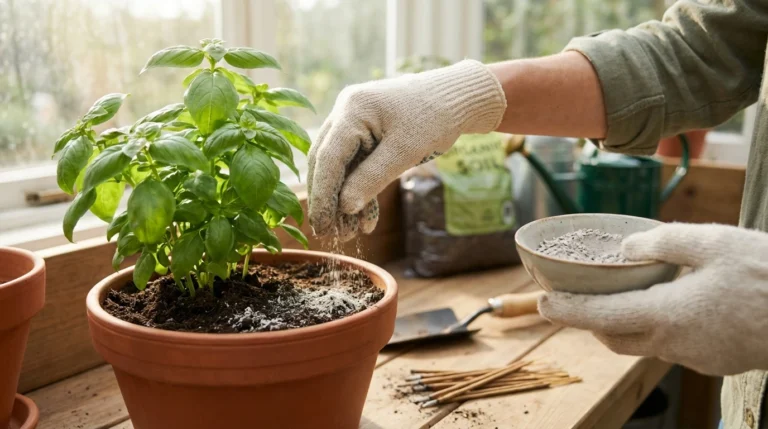
- Top Dressing: Sprinkle a thin layer of incense ash around existing plants. Be cautious not to overdo it, as too much can lead to nutrient imbalances.
- Composting: Add small amounts of incense ash to your compost pile. It can help improve the nutrient content of your compost, making it even more beneficial for your garden.
Step 4: Monitor Plant Response
After applying incense ash, monitor your plants for signs of improvement or distress. Look for healthier growth, vibrant leaves, and increased flowering. If you notice any adverse effects, reduce the amount of ash used in future applications.
Ideas for Using Incense Ash in Your Garden
Here are some inspiring and creative ways to utilize incense ash:
- DIY Fertilizer Blend: Combine incense ash with other natural fertilizers like compost, bone meal, and fish emulsion for a nutrient-packed mix.
- Pest Control Barrier: Create a protective ring of incense ash around vulnerable plants to deter pests naturally.
- Decorative Planting: Use incense ash mixed with potting soil for a unique aesthetic touch in your potted plants.
- Seed Starting Mix: Incorporate incense ash into your seed starting mix to give young plants a nutrient boost.
- Garden Pathway: Use incense ash to create a visually appealing pathway in your garden while benefiting the surrounding soil.
Expert Tips for Using Incense Ash Effectively
To maximize the benefits of incense ash, consider these expert tips:
- Moderation is Key: While incense ash is beneficial, too much can lead to nutrient imbalances. Always use it in moderation.
- Combine with Other Amendments: Mix incense ash with other organic materials for a more balanced approach to soil amendment.
- Use Fresh Ash: For the best results, use fresh ash rather than old, clumped ash that may have lost its potency.
- Monitor Moisture Levels: Ash can absorb moisture, so ensure your plants receive adequate watering to avoid dehydration.
Common Questions About Incense Ash and Plants
1. Can I use any type of incense ash for my plants?
It’s best to use ash from natural, chemical-free incense. Avoid synthetic incense, as it may contain harmful substances.
2. How often should I apply incense ash to my garden?
Applying incense ash once or twice a year is generally sufficient. Monitor your plants and soil to determine if more frequent applications are necessary.
3. Can incense ash harm my plants?
Excessive use of incense ash can lead to nutrient imbalances and potentially harm your plants. Always use it in moderation and monitor plant health.
4. Is incense ash suitable for all types of plants?
While many plants benefit from incense ash, it’s best suited for those that thrive in neutral to slightly alkaline soils. Research specific plant needs before application.
5. Can I mix incense ash with other fertilizers?
Yes, incense ash can be combined with other organic fertilizers to enhance nutrient content. Ensure you balance the overall nutrient profile to avoid over-fertilization.
Conclusion
Incorporating incense ash into your gardening routine can be an excellent way to recycle waste while promoting healthy plant growth. With its rich nutrient profile and multiple benefits, this often-overlooked resource can become a valuable ally in your gardening efforts. Take the time to experiment with incense ash, observe how your plants respond, and enjoy the journey of nurturing your garden naturally.