Imagine stepping into your garden only to find unexpected pops of purple blooming amidst your plants. While these vibrant flowers can add beauty, many of them are indeed weeds that can choke out your prized possessions. Identifying and understanding these weeds is crucial for maintaining a healthy garden. Here’s a detailed guide to 24 weeds with purple flowers that you might encounter in your garden, complete with tips on how to manage them effectively.
Quick Answer
Some common weeds with purple flowers include Creeping Charlie, Purple Deadnettle, and Henbit. Identifying these weeds is essential for effective management, ensuring your garden remains healthy and vibrant.
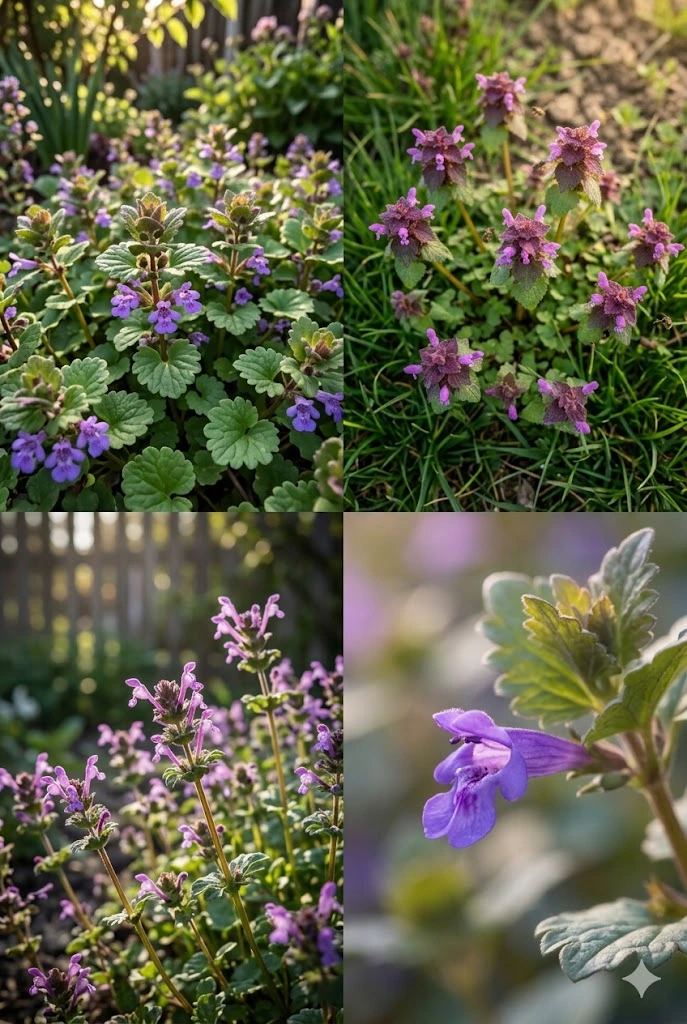
1. Creeping Charlie (Glechoma hederacea)
Creeping Charlie is a perennial weed known for its vibrant purple flowers and sprawling growth habit. It thrives in moist, shady areas and can quickly cover the ground.
Identification
- Flowers: Small, purple flowers that bloom in clusters.
- Leaves: Round, scalloped edges, and a distinctive minty smell when crushed.
Management Tips
- Hand-pull in spring before it flowers.
- Apply mulch to suppress growth.
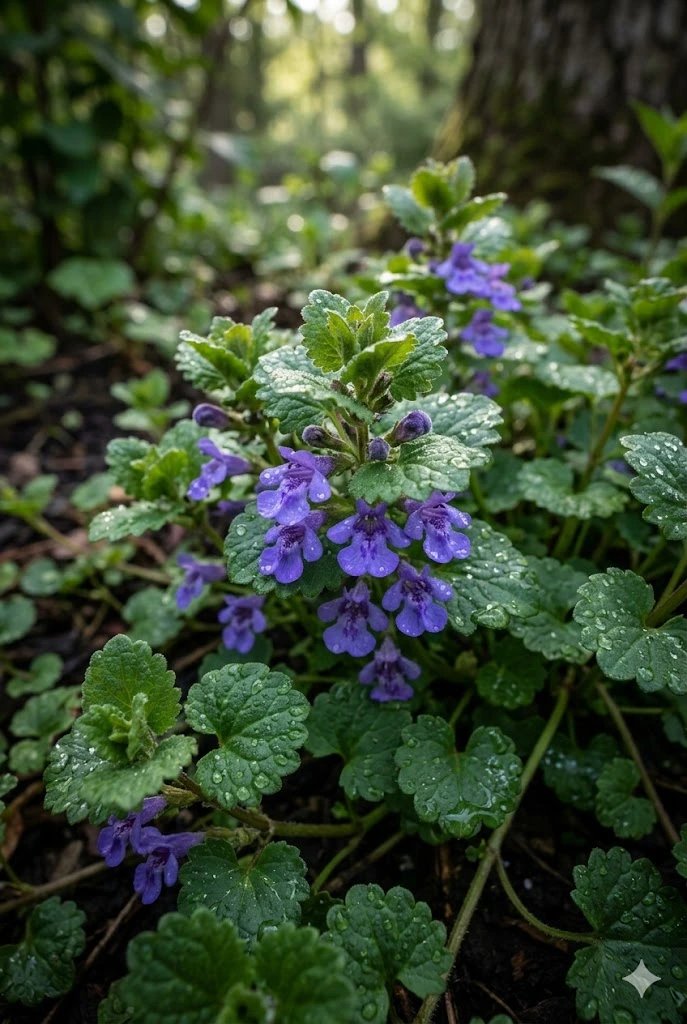
2. Purple Deadnettle (Lamium purpureum)
This common weed resembles a flowering plant but is often unwelcome in gardens. It has a unique appearance and can spread rapidly.
Identification
- Flowers: Small, tubular purple flowers that appear in clusters.
- Leaves: Heart-shaped with a slightly hairy texture.
Management Tips
- Regularly mow or cut back to prevent seeding.
- Use landscape fabric in areas prone to growth.
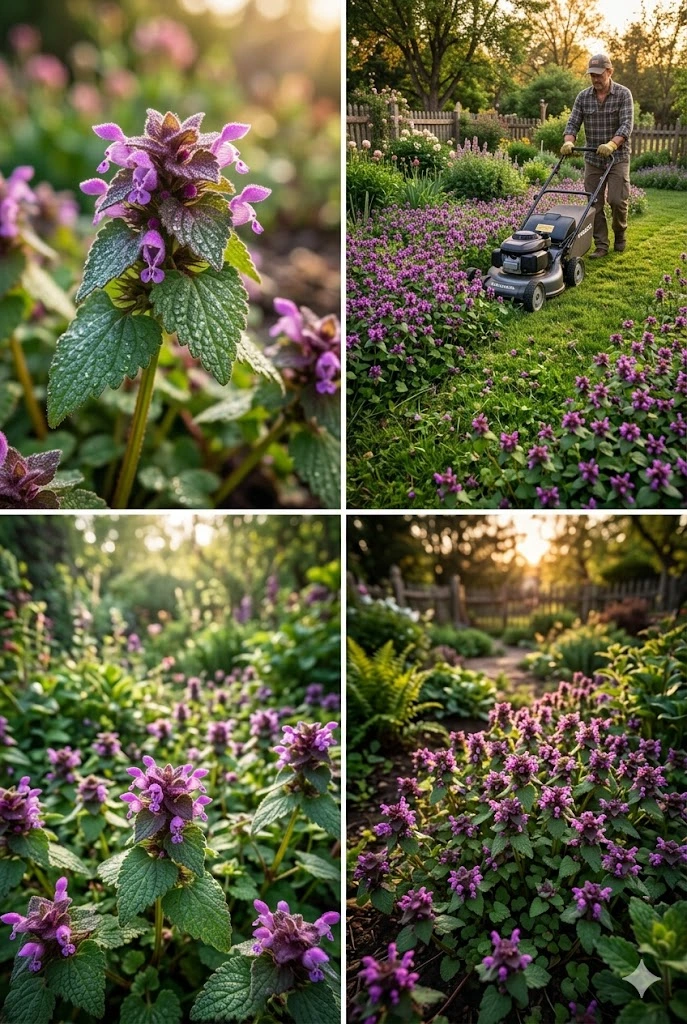
3. Henbit (Lamium amplexicaule)
Henbit is often mistaken for purple deadnettle but has distinct characteristics that set it apart. This annual weed is prevalent in disturbed areas.
Identification
- Flowers: Purple flowers that grow in whorls.
- Leaves: Broad and rounded with a slightly hairy texture.
Management Tips
- Pull by hand or use herbicides in early spring.
- Promote dense plant growth to outcompete it.
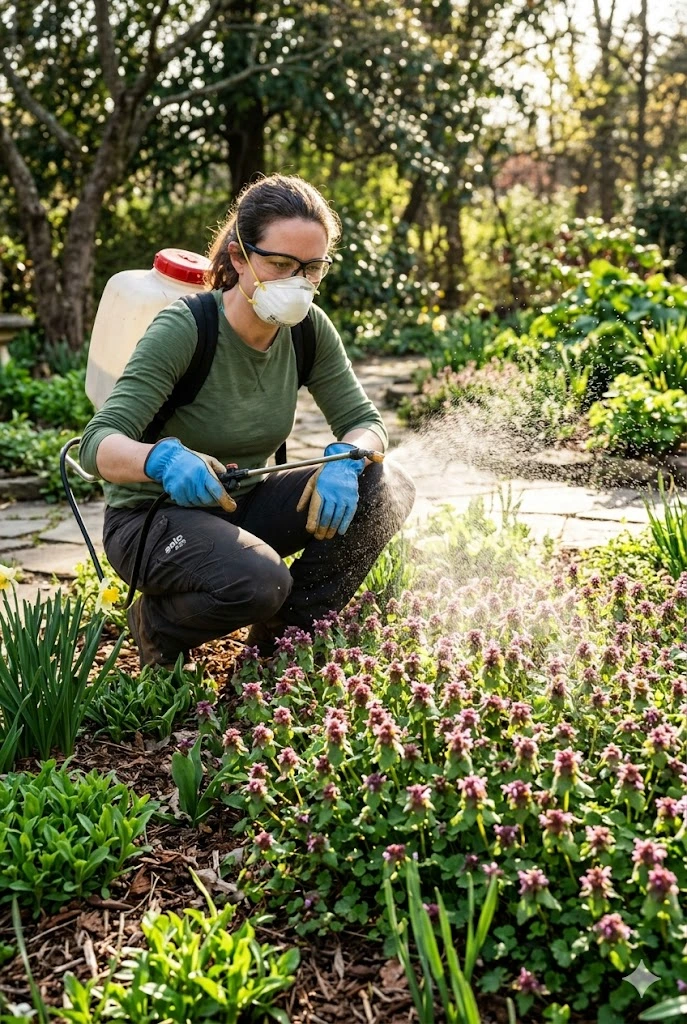
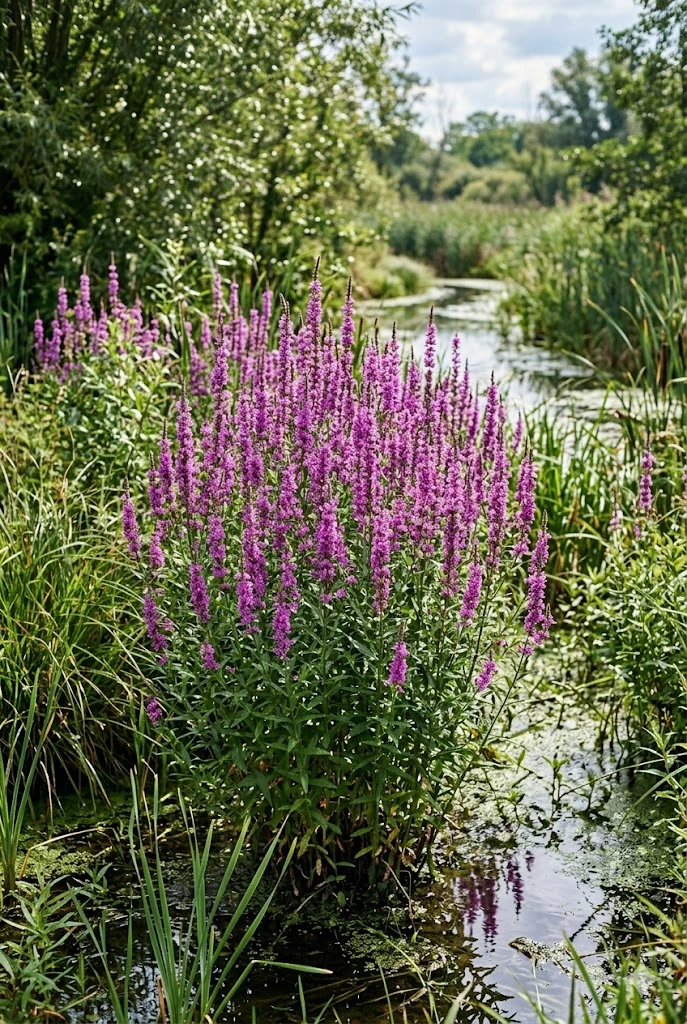
4. Purple Loosestrife (Lythrum salicaria)
This perennial weed is often found in wetland areas and can be highly invasive. Its striking purple spikes can dominate landscapes if left unchecked.
Identification
- Flowers: Long spikes of purple flowers.
- Leaves: Lance-shaped and arranged in pairs along the stem.
Management Tips
- Consider biological control methods.
- Hand-pull before flowering to prevent seed spread.
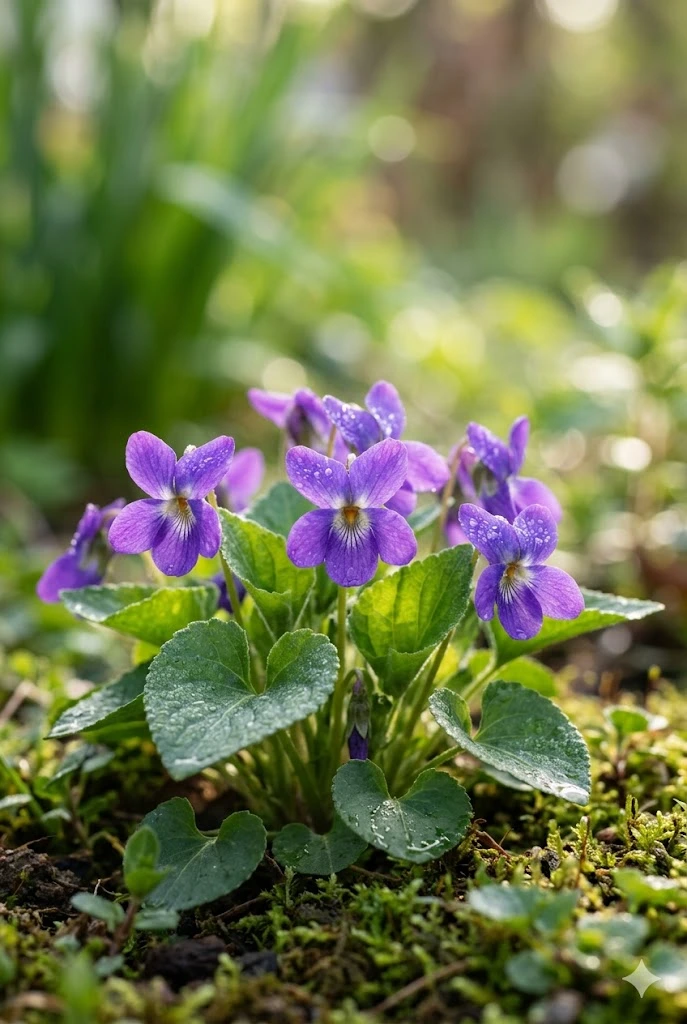
5. Wild Violets (Viola spp.)
Wild violets add a delicate touch to gardens but can become a nuisance if they spread too much. Their vibrant purple flowers are often a delight but can compete with other plants.
Identification
- Flowers: Five-petaled purple flowers.
- Leaves: Heart-shaped with a smooth texture.
Management Tips
- Dig out the roots to control spread.
- Maintain a healthy lawn to reduce their growth.
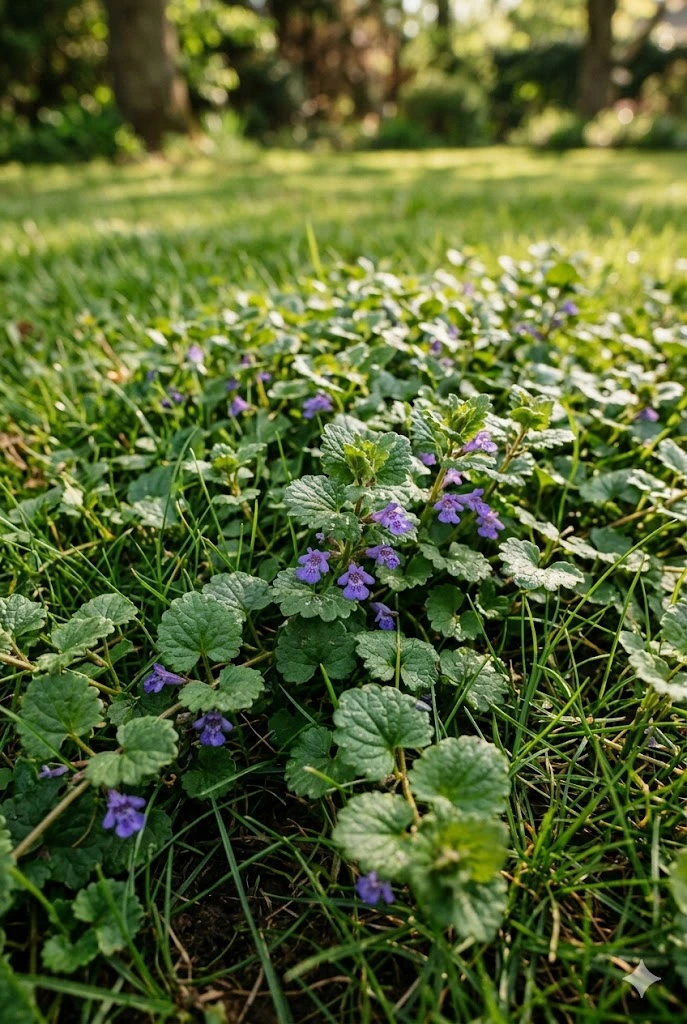
6. Ground Ivy (Glechoma hederacea)
Often found in lawns, ground ivy can create a thick mat of foliage and flowers. Its creeping nature makes it a persistent problem in gardens.
Identification
- Flowers: Small, purple flowers with a tubular shape.
- Leaves: Round and scalloped.
Management Tips
- Use a selective herbicide designed for broadleaf weeds.
- Improve grass health to choke out the ivy.
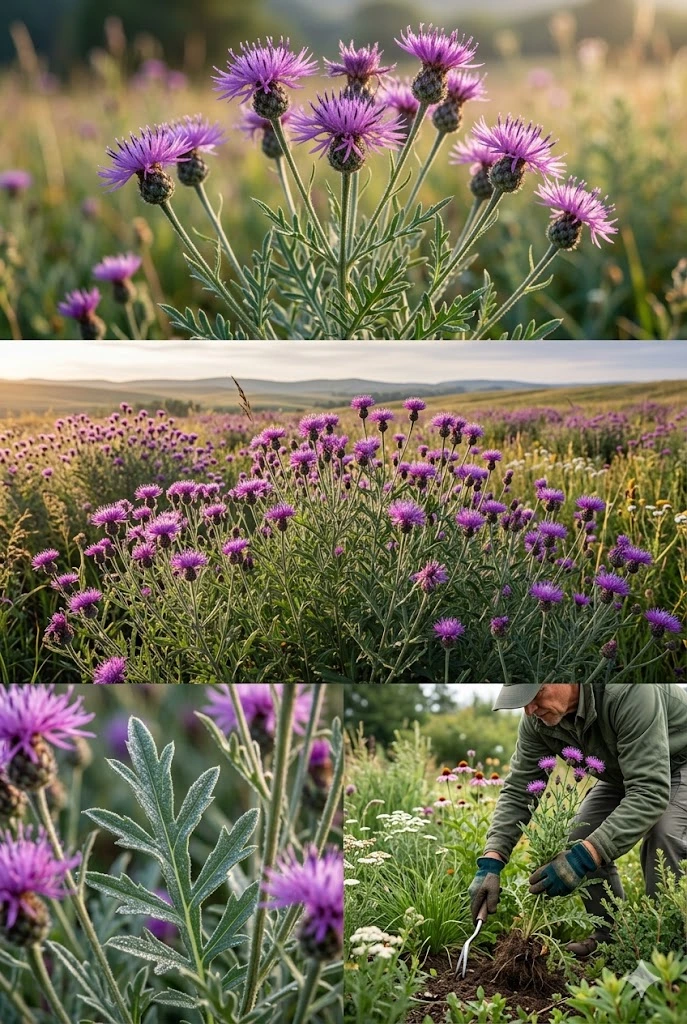
7. Spotted Knapweed (Centaurea stoebe)
This invasive weed is known for its striking purple flowers and aggressive growth. It can outcompete native plants and disrupt ecosystems.
Identification
- Flowers: Fringed purple flowers on long stems.
- Leaves: Gray-green and deeply lobed.
Management Tips
- Implement a targeted herbicide strategy.
- Regularly monitor and remove plants before flowering.
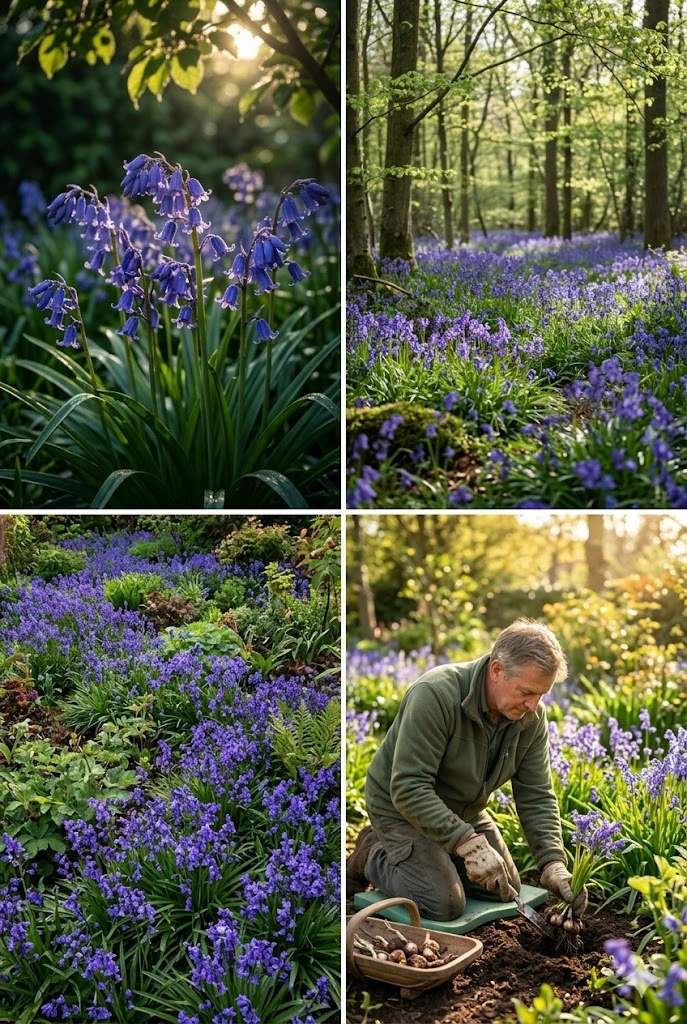
8. Common Bluebell (Hyacinthoides non-scripta)
While beautiful, the common bluebell can take over areas if not managed properly. Its drooping flowers are a sight to behold but can overwhelm other garden plants.
Identification
- Flowers: Bell-shaped and drooping with deep blue-purple hues.
- Leaves: Long and narrow, often appearing in clumps.
Management Tips
- Allow the bulbs to die back after flowering for better control.
- Dig up bulbs if they spread too aggressively.
9. Purple Aster (Aster spp.)
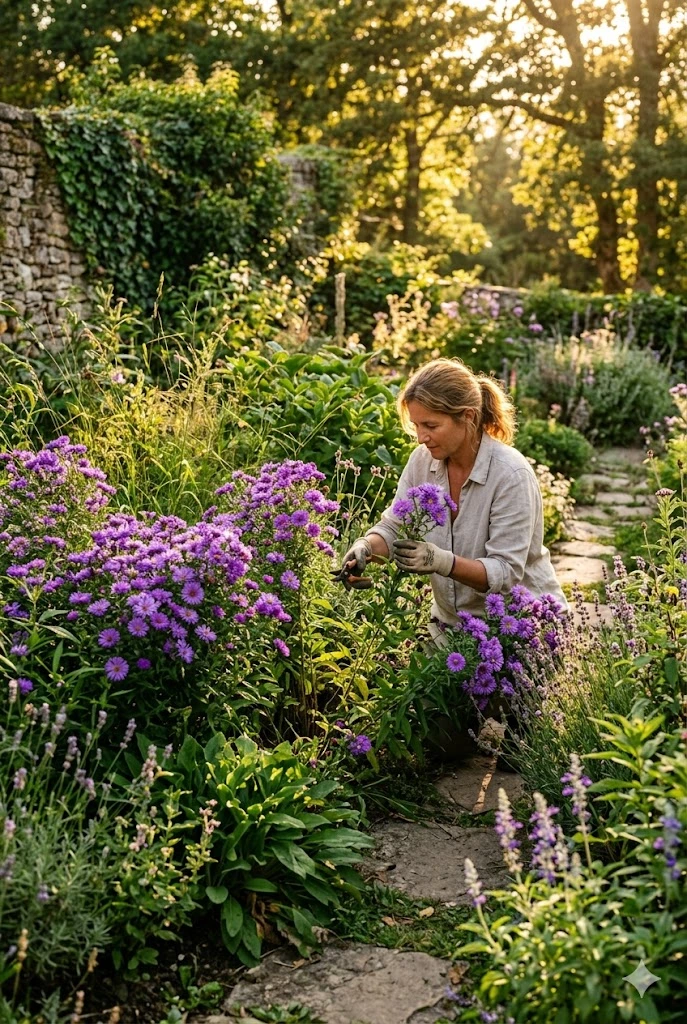
Various species of purple aster can be found in gardens, often as wildflowers. While they can be attractive, some can also behave like weeds.
Identification
- Flowers: Star-shaped purple flowers.
- Leaves: Narrow and lance-shaped.
Management Tips
- Deadhead flowers to prevent seeding.
- Control growth with regular pruning.
10. Field Bindweed (Convolvulus arvensis)
This persistent weed can strangle your garden plants with its twining stems and beautiful flowers. Its rapid growth makes it a formidable foe.
Identification
- Flowers: Trumpet-shaped and white to light purple.
- Leaves: Arrow-shaped and smooth.
Management Tips
- Regularly remove by the roots to prevent regrowth.
- Consider using landscape fabric to suppress it.
11. Houndstongue (Cynoglossum officinale)
With its unique purple flowers, houndstongue can be both beautiful and troublesome. This biennial weed can produce numerous seeds that spread easily.
Identification
- Flowers: Small, tubular purple flowers in clusters.
- Leaves: Large, hairy, and shaped like a dog’s tongue.
Management Tips
- Remove plants before they set seed.
- Consider herbicides for larger infestations.
12. Common Mallow (Malva sylvestris)
This weed can often be found in disturbed areas and has lovely purple flowers. However, its rapid growth can be problematic in cultivated gardens.
Identification
- Flowers: Five-petaled purple flowers.
- Leaves: Round with deeply lobed edges.
Management Tips
- Hand-pull or use a hoe to uproot.
- Apply mulch to suppress growth.
13. Bellflower (Campanula spp.)
Although some bellflowers are cultivated, others can act as weeds. Their charming purple flowers can become invasive in the wrong setting.
Identification
- Flowers: Bell-shaped and often in clusters.
- Leaves: Basal rosettes with lance-shaped leaf blades.
Management Tips
- Control with careful mowing and hand-pulling.
- Limit water and nutrients to prevent growth.
14. Amaranth (Amaranthus spp.)
Amaranth is known for its striking flowers and can become quite invasive in gardens. Its purple varieties can be particularly aggressive.
Identification
- Flowers: Dense spikes of purple flowers.
- Leaves: Alternating, often oval-shaped.
Management Tips
- Regularly check for seedlings and remove them.
- Mulch heavily to suppress growth.
15. Common Bluebell (Hyacinthoides non-scripta)
This beautiful flower can become a nuisance if not managed properly. Its bell-shaped purple flowers can dominate if allowed to spread.
Identification
- Flowers: Bell-shaped and drooping with deep blue-purple hues.
- Leaves: Long and narrow, often appearing in clumps.
Management Tips
- Allow the bulbs to die back after flowering for better control.
- Dig up bulbs if they spread too aggressively.
16. Sweet William (Dianthus barbatus)
This charming flower can bring beauty to your garden, but it can also behave like a weed if not managed properly.
Identification
- Flowers: Clusters of purple, pink, or white flowers.
- Leaves: Narrow and long, with a slightly serrated edge.
Management Tips
- Deadhead spent blooms to prevent reseeding.
- Manage growth through regular pruning.
17. Hairy Bittercress (Cardamine hirsuta)
This small weed can often go unnoticed until it flowers. Its purple blooms can be charming but troublesome in gardens.
Identification
- Flowers: Small, purple flowers with four petals.
- Leaves: Basal rosette with jagged edges.
Management Tips
- Hand-pull before it sets seed.
- Regularly monitor for new growth.
18. Wild Bergamot (Monarda fistulosa)
Known for its aromatic qualities, wild bergamot can also be invasive. Its purple flowers attract pollinators but can overwhelm other plants.
Identification
- Flowers: Tufts of small purple flowers atop tall stems.
- Leaves: Opposite, lance-shaped with a minty scent.
Management Tips
- Prune back after flowering to control spread.
- Hand-pull or use herbicides for larger infestations.
19. Purple Foxglove (Digitalis purpurea)
While often grown as an ornamental, purple foxglove can escape gardens and behave like a weed in the wild.
Identification
- Flowers: Tall spikes of tubular purple flowers.
- Leaves: Large, fuzzy, and dark green.
Management Tips
- Remove flower stalks after blooming to prevent seeding.
- Control with herbicides if necessary.
20. Morning Glory (Ipomoea spp.)
Though beautiful, morning glories can quickly take over a garden space with their aggressive growth and clustering purple flowers.
Identification
- Flowers: Funnel-shaped blooms, often purple.
- Leaves: Heart-shaped and lush green.
Management Tips
- Hand-pull or use herbicides to control growth.
- Regularly monitor for new shoots.
21. Purple Toadflax (Linaria purpurea)
This perennial weed can thrive in various conditions and is known for its unique purple flowers resembling snapdragons.
Identification
- Flowers: Spikes of purple flowers shaped like small mouths.
- Leaves: Narrow and lance-shaped.
Management Tips
- Hand-pull or hoe before flowering.
- Consider using mulch to suppress growth.
22. Purple Cress (Cardamine purpurea)
This weed thrives in moist areas and can appear charming with its purple flowers but can quickly become invasive.
Identification
- Flowers: Small, purple flowers with four petals.
- Leaves: Pinnate with serrated edges.
Management Tips
- Hand-pull before it sets seed.
- Regularly monitor growth in damp areas.
23. Western Bluebell (Campanula radiata)
This wildflower can attract pollinators but may also compete with garden plants if not managed properly.
Identification
- Flowers: Bell-shaped and drooping with a lovely blue-purple hue.
- Leaves: Long and narrow, often appearing in clumps.
Management Tips
- Consider deadheading to manage spread.
- Dig out unwanted plants when they’re young.
24. Purple Clover (Trifolium pratense)
Commonly found in lawns, purple clover can be both beneficial and problematic. While it fixes nitrogen in the soil, it can also compete with desired plants.
Identification
- Flowers: Round clusters of purple flowers.
- Leaves: Distinctive three-leaflet structure.
Management Tips
- Regular mowing can help control its spread.
- Consider using herbicides if it becomes invasive.
Expert Tips
Identifying and managing weeds with purple flowers can be a task, but here are some insider tips:
- Timing is Key: The best time to control weeds is before they flower and set seed.
- Healthy Soil: Maintain healthy soil through organic practices to promote the growth of desirable plants over weeds.
- Mulching: Use organic mulch around your plants to suppress weed growth while adding nutrients to the soil.
Common Questions (FAQ)
1. How can I prevent purple flowering weeds in my garden?
Regular maintenance, including mulching, hand-pulling, and monitoring for new growth, can help prevent these weeds from establishing in your garden.
2. Are any purple flowering weeds beneficial?
Some purple flowering weeds, like clover, can fix nitrogen in the soil, benefiting nearby plants. However, they should be managed to prevent overgrowth.
3. What is the best time to remove purple flowering weeds?
Remove weeds in early spring before they flower and set seed. This will help prevent them from spreading further in your garden.
4. Can I use herbicides on purple flowering weeds?
Yes, selective herbicides can be effective, but ensure they are suitable for the surrounding plants and follow the manufacturer’s instructions.
5. How do I identify if a plant is a weed?
Weeds typically grow aggressively, spread