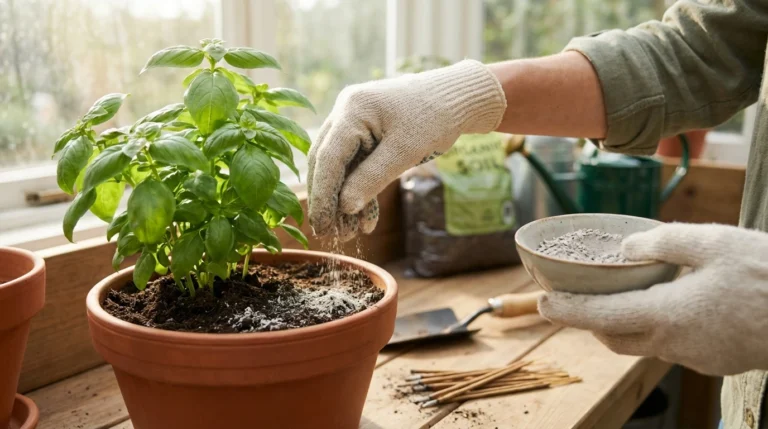
Succulents have become a favorite choice for both novice and seasoned gardeners, thanks to their unique beauty and low-maintenance nature. However, many people wonder about the classification of these fascinating plants. Are succulents perennials? The short answer is yes, but there’s so much more to explore! Understanding the perennial nature of succulents opens up a world of gardening possibilities and helps you appreciate these hardy plants even more. Let’s dive deeper into the world of succulents and their perennial characteristics.
Quick Answer
Yes, succulents are generally classified as perennials. This means they can live for more than two years, typically thriving in their native environments. Some succulents can survive for decades with proper care, making them a long-lasting addition to your garden or home.
What Are Succulents?
Before we delve into their perennial nature, it’s essential to understand what succulents are. Succulents are plants that store water in their leaves, stems, or roots, allowing them to thrive in arid conditions. This unique adaptation gives them their characteristic fleshy appearance, and they come in various shapes, sizes, and colors.
Types of Succulents
- Cacti: A subgroup of succulents, cacti are well-known for their spines and unique flowering.
- Aloe: These plants are famous for their medicinal properties and striking rosettes.
- Echeveria: With their beautiful, rosette-like formations, Echeverias are a popular choice for decorative arrangements.
- Jade Plant: This classic houseplant is known for its thick, glossy leaves and symbolizes good luck.
- Hens and Chicks: These hardy plants are perfect for rock gardens and are known for their ability to produce offsets.
Understanding Perennials
Perennials are plants that live for more than two years, unlike annuals that complete their life cycle in a single growing season and biennials that take two years to mature. Perennials can be herbaceous (dying back in winter) or woody (maintaining their structure year-round).
How Succulents Fit into the Perennial Category
Most succulents are considered herbaceous perennials. This means they can survive multiple growing seasons, although some may die back during colder months. They typically regrow from their roots in the spring, showcasing their resilience and ability to thrive year after year.
Growing Conditions for Succulents
To truly appreciate succulents as perennials, it’s vital to understand the conditions under which they thrive. Here are the key aspects to consider:
Light Requirements
Succulents generally prefer bright, indirect sunlight. Direct sunlight can scorch their leaves, while too little light can hinder their growth. Aim for at least 6 hours of bright light daily for optimal growth.
Soil Type
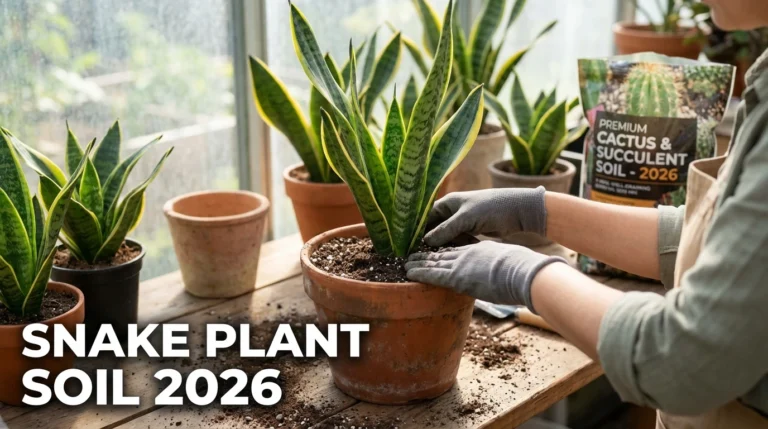
Well-draining soil is crucial for succulents. A mix designed for cacti and succulents, or a DIY blend of potting soil, sand, and perlite, ensures that excess water can escape, preventing root rot.
Watering Practices
One of the most common mistakes is overwatering succulents. Allow the soil to dry out completely between waterings. During the growing season (spring and summer), water more frequently, but reduce watering in the dormant winter months.
Temperature and Humidity
Most succulents thrive in temperatures between 60°F and 80°F (15°C to 27°C). They prefer low humidity levels, mimicking their native desert environments. If you live in a humid area, ensure good air circulation around your plants.
Common Mistakes When Caring for Succulents
While succulents are relatively easy to care for, there are pitfalls to avoid:
- Overwatering: As mentioned, this is a leading cause of succulent death. Always check soil moisture before watering.
- Insufficient Light: Not providing enough light can lead to leggy, weak growth. Adjust their placement if necessary.
- Using Regular Potting Soil: Regular potting mix retains too much moisture. Use a specialized mix for succulents.
- Ignoring Pest Problems: Check regularly for pests like mealybugs and aphids. Early detection is key to managing infestations.
Pro Tips for Growing Succulents as Perennials
To enhance your experience with succulents, consider these expert tips:
- Propagation: Many succulents can be easily propagated from leaves or offsets. This is a great way to expand your collection.
- Use Terrariums: A glass terrarium can create a unique display and maintain humidity levels while ensuring good drainage.
- Rotate Regularly: Rotate your pots to encourage even growth and prevent legginess.
- Seasonal Care: Adjust watering and light exposure with the changing seasons to keep your succulents thriving.
Creative Ways to Display Succulents
Succulents are not just functional; they can also be stunning decorations. Here are some creative ideas to display your perennial beauties:
Succulent Arrangements
Create beautiful arrangements in decorative pots, using varying sizes and colors to add visual interest. Group them together to form a vibrant centerpiece for your table or desk.
Wall Gardens
Consider a vertical garden or a wall-mounted planter. This not only saves space but also creates a stunning visual impact that’s perfect for small areas.
Hanging Planters
Hanging succulents can add a touch of whimsy. Use macramé hangers to display trailing varieties like String of Pearls or Burro’s Tail.
Outdoor Displays
In warmer climates, succulents thrive outdoors. Create a succulent garden bed or use decorative rocks to complement their beauty. They can also be the perfect plants for a rock garden.
Common Questions About Succulents
Are all succulents perennials?
Most succulents are considered perennials, but there are exceptions. Some species may behave like annuals in certain climates, particularly those that cannot survive frost.
How long do succulents typically live?
With proper care, many succulents can live for several years, and some may even thrive for decades. Their longevity depends on the species and growing conditions.
Can succulents survive winter?
Many succulents can survive winter if kept in appropriate conditions. Indoor succulents should be placed near light sources and kept in temperatures above freezing.
Do succulents need to be repotted?
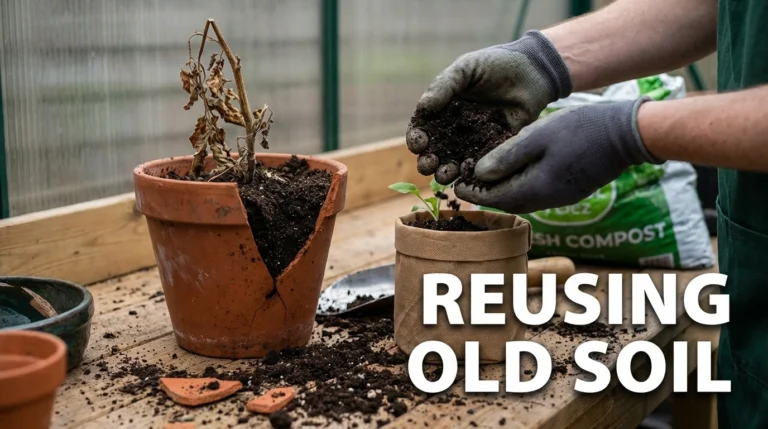
Succulents may need repotting every couple of years or when they outgrow their containers. Use fresh soil to promote healthy growth.
Can I grow succulents indoors?
Yes, succulents make excellent indoor plants as long as they receive sufficient light and are planted in well-draining soil. They can brighten up any space!
Conclusion
Succulents are more than just pretty plants; they are resilient perennials that can thrive in various conditions. With proper care, you can enjoy these unique plants for years to come. Whether you’re starting your succulent journey or looking to expand your collection, understanding their perennial nature is crucial. So, embrace your green thumb and get creative with these remarkable plants!