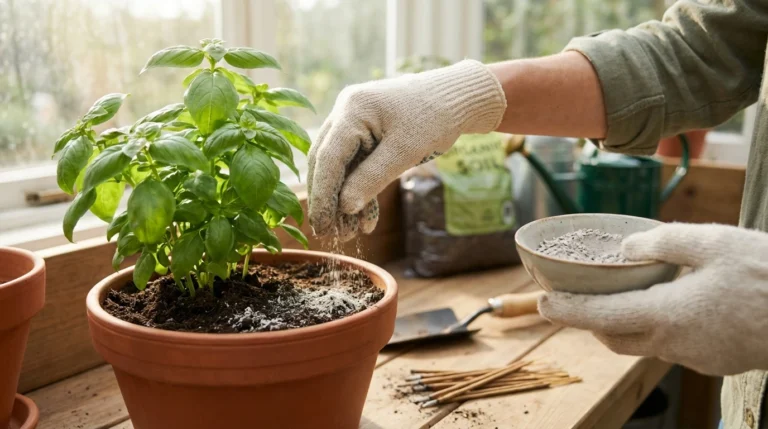
Aloe plants are not only beautiful but also incredibly resilient, making them a popular choice for both novice and experienced gardeners. However, choosing the right pot for your aloe can significantly impact its growth and health. With so many options available, it can be overwhelming to decide what works best. In this guide, we’ll explore the best pots for aloe plants in 2026, complete with visual inspiration and practical tips to ensure your aloe thrives.
Quick Answer
The best pots for aloe plants are those that provide excellent drainage and allow for airflow to the roots. Terracotta pots and ceramic pots with drainage holes are often ideal, as they help prevent overwatering, which is crucial for aloe health.
Understanding Aloe Plant Needs
Before diving into pot options, it’s essential to understand what aloe plants need to thrive. These succulents prefer minimal moisture and well-draining soil. The right pot will not only support these preferences but also enhance the aesthetic appeal of your space.
Key Factors to Consider
- Drainage: Aloe plants dislike standing water, so ensure your pot has adequate drainage holes.
- Material: The pot material can influence temperature and moisture levels.
- Size: Choose a pot that allows for growth without being too large.
- Weight: Heavier pots can help prevent tipping, especially for larger aloe varieties.
Best Pot Materials for Aloe Plants
The material of the pot can significantly affect how well your aloe plant grows. Here are some of the best options:
1. Terracotta Pots
Terracotta pots are a favorite among aloe enthusiasts due to their porous nature. They allow air and moisture to circulate, which helps prevent root rot. Additionally, terracotta absorbs excess moisture, making it easier to maintain the right level of hydration.
2. Ceramic Pots
Ceramic pots come in a variety of colors and styles, allowing you to express your personal taste. When glazed, they can help retain moisture without suffocating the roots. Look for ceramic pots that have drainage holes for optimal health.
3. Plastic Pots
Lightweight and easy to handle, plastic pots are an economical option. They retain moisture longer than terracotta, so be cautious with watering. Ensure the pot has sufficient drainage holes to keep your aloe happy.
4. Metal Pots
While metal pots can provide a modern aesthetic, they can heat up quickly in the sun, which may not be ideal for aloe plants. If choosing metal, ensure that it has a protective layer and adequate drainage.
Best Pot Sizes for Aloe Plants
Choosing the right size pot is crucial for your aloe’s growth. Here is a guide to help you select the best size:
Small Aloes (1-3 inches)
- Pot Size: 4-6 inches in diameter
- Why: Small pots allow your aloe to establish roots without excess soil that can retain water.
Medium Aloes (4-8 inches)
- Pot Size: 6-10 inches in diameter
- Why: Provides enough space for growth while maintaining a manageable moisture level.
Large Aloes (8+ inches)
- Pot Size: 10-14 inches in diameter
- Why: Large pots can support bigger plants, but ensure proper drainage to prevent water pooling.
Step-by-Step Guide to Potting Your Aloe
Potting your aloe plant correctly sets the foundation for its health. Follow these steps for best results:
- Choose Your Pot: Select one that has drainage holes and is the right size for your aloe.
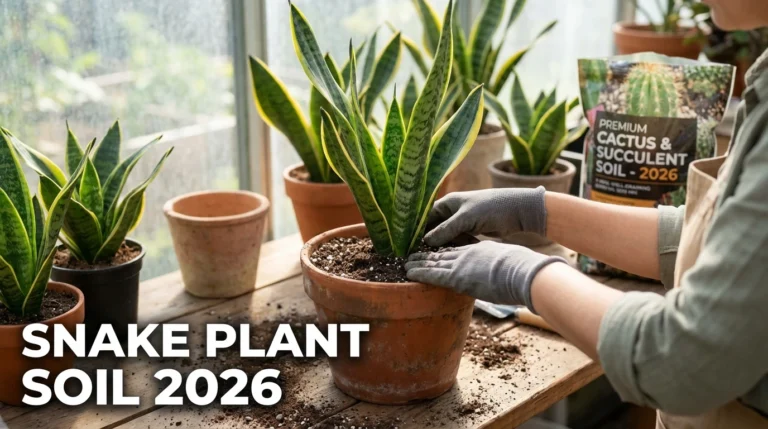
- Prepare the Soil: Use a well-draining succulent or cactus mix. You can also create your own by mixing potting soil with sand and perlite.
- Add Soil to the Pot: Fill the pot with soil, leaving enough room for the aloe roots.
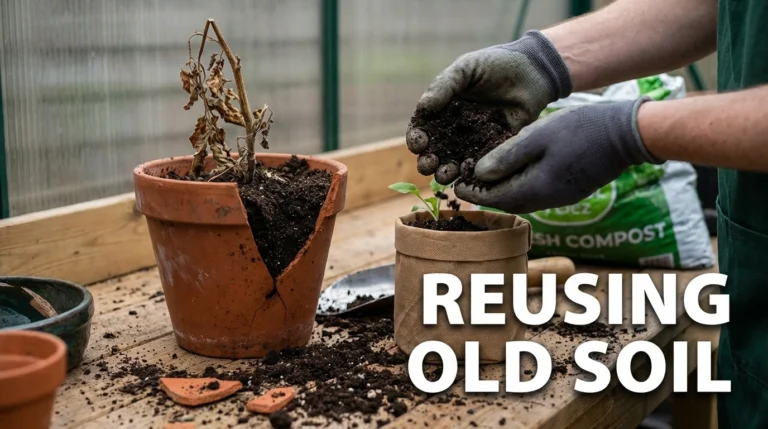
- Remove the Aloe from Its Old Pot: Gently loosen the roots and remove the plant, taking care not to damage it.
- Place the Aloe in the New Pot: Center the plant and fill around the roots with more soil, pressing lightly.
- Water Sparingly: After potting, wait a few days before watering to allow the roots to settle.
Common Mistakes When Potting Aloe Plants
Even seasoned gardeners can make mistakes. Avoid these common pitfalls to keep your aloe thriving:
- Overwatering: Aloe plants prefer to dry out between waterings; always check the soil moisture before watering.
- Choosing the Wrong Pot Size: A pot that’s too large can lead to excess moisture retention.
- Neglecting Drainage: Ensure your pot has drainage holes to prevent root rot.
- Using Regular Potting Soil: Standard potting soil can retain too much moisture; opt for a cactus mix instead.
Ideas for Decorating with Aloe Pots
Not only are aloes functional, but they also make for stunning decor. Here are a few creative ideas for showcasing your aloe plants:
- Floating Shelves: Create a vertical garden by placing your aloe pots on floating shelves.
- Hanging Planters: Use macrame hangers to display your aloe in a stylish and space-saving way.
- Color Coordination: Match the pot color with your room’s theme for a cohesive look.
- Kitchen Herb Garden: Use small aloe pots as part of your kitchen herb garden for both beauty and functionality.
Expert Tips for Aloe Plant Care
Here are some insider tips to keep your aloe plants healthy and beautiful:
- Rotate Your Pots: Rotate your pots every few weeks to ensure even growth and exposure to sunlight.
- Use Fertilizer Sparingly: Aloe plants don’t need much fertilizer; a diluted succulent fertilizer during the growing season is sufficient.
- Repot When Necessary: If you notice roots coming out of the drainage holes, it’s time to repot your aloe into a larger pot.
Common Questions About Aloe Pots
1. Can I use any pot for my aloe plant?
Not all pots are suitable. Look for containers with drainage holes and consider materials that allow for airflow, like terracotta or ceramic.
2. How often should I repot my aloe plant?
Aloe plants typically need repotting every 2-3 years or when they outgrow their pot, whichever comes first.
3. What type of soil is best for aloe?
A well-draining cactus or succulent mix is ideal, as it prevents overwatering and keeps roots healthy.
4. How can I tell if my aloe is overwatered?
Signs include yellowing leaves, mushy texture, and a foul smell from the soil. If you notice these signs, reduce watering immediately.
5. Is it necessary to fertilize aloe plants?
While not necessary, a light application of diluted succulent fertilizer during the growing season can promote growth.
Conclusion
Choosing the right pot for your aloe plant can make a remarkable difference in its health and growth. By understanding the specific needs of your aloe, selecting the appropriate materials and sizes, and following proper potting techniques, you can create a thriving environment for your plant. Whether you’re a beginner or a seasoned gardener, these insights and tips will help you enjoy the beauty and benefits of aloe plants for years to come. Happy gardening!