If your beloved aloe plant is drooping, it can be quite alarming. These resilient succulents are known for their ability to thrive in various conditions, so when you notice your aloe’s leaves starting to sag or droop, it raises concerns. Is it a watering issue? A pest problem? Or perhaps, it’s simply a sign of stress? Understanding the reasons behind drooping leaves can help you quickly restore your aloe to its former glory. Let’s dig into the potential causes and their remedies!
Quick Answer
Aloe plants droop due to factors like overwatering, underwatering, insufficient light, or pest infestations. To fix drooping, check the soil moisture, adjust light exposure, and inspect for pests, ensuring your plant receives proper care.
Understanding Aloe Plant Needs
Aloe plants are hardy succulents that thrive in arid conditions. However, meeting their specific needs is crucial for maintaining their health and vibrancy. To prevent drooping, it’s essential to understand their primary requirements:
- Water: Aloe plants prefer to dry out between watering sessions.
- Light: They thrive in bright, indirect sunlight.
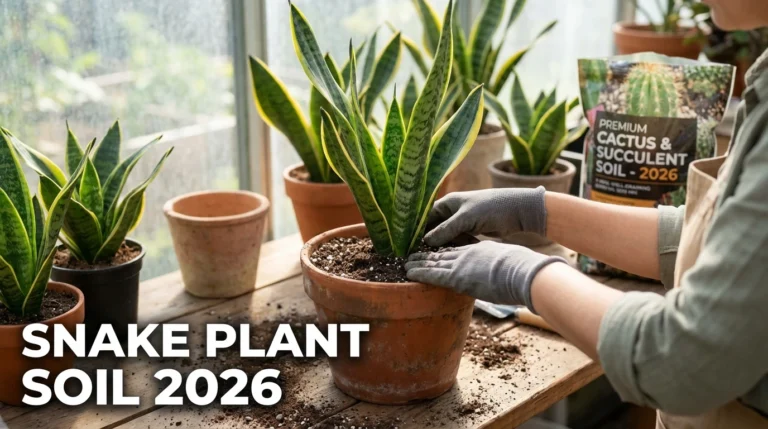
- Soil: Well-draining potting mix is vital for preventing root rot.
- Temperature: Aloe prefers warm temperatures, ideally between 60°F and 75°F.
12 Reasons Why Your Aloe Plant Is Drooping
1. Overwatering
Overwatering is one of the most common reasons for drooping in aloe plants. Their roots can rot when sitting in soggy soil, leading to drooping leaves.
- Symptoms: Yellowing leaves, mushy texture, and a foul smell from the soil.
- Fix: Reduce watering frequency, allowing the soil to dry out completely before the next watering.
2. Underwatering
Conversely, underwatering can also cause your aloe to droop. If the leaves are shriveling or becoming limp, your plant may need more water.
- Symptoms: Leaves appear wrinkled or shriveled.
- Fix: Water thoroughly, ensuring excess water drains out of the pot.
3. Poor Drainage
Even if you’re watering correctly, poor drainage can lead to drooping. If the pot doesn’t allow excess water to escape, it can cause root rot.
- Symptoms: Soil remains wet for extended periods.
- Fix: Use a pot with drainage holes and a well-draining soil mix.
4. Insufficient Light
Aloe plants thrive in bright light, and insufficient sunlight can lead to drooping leaves as they stretch towards the light source.
- Symptoms: Etiolation (stretched, leggy appearance) and drooping leaves.
- Fix: Move your plant to a brighter location, ensuring it receives indirect sunlight.
5. Excessive Direct Sunlight
While aloe loves light, too much direct sunlight can scorch its leaves, leading to drooping.
- Symptoms: Brown or crispy leaf edges and drooping.
- Fix: Move your plant to a location with filtered light or provide shade during peak sun hours.
6. Temperature Stress
Aloe plants are sensitive to temperature changes. Sudden drops in temperature or exposure to cold drafts can cause them to droop.
- Symptoms: Leaves appear limp and may change color.
- Fix: Keep your plant in a stable, warm environment, away from drafts.
7. Pest Infestations
Common pests like aphids, mealybugs, or spider mites can sap the vitality of your aloe, leading to drooping leaves.
- Symptoms: Visible pests or webbing on the leaves; sticky residue.
- Fix: Treat with insecticidal soap or neem oil, and regularly inspect your plant.
8. Nutrient Deficiency
Aloe plants may droop if they lack essential nutrients, particularly nitrogen.
- Symptoms: Yellowing leaves and stunted growth.
- Fix: Fertilize with a balanced, diluted succulent fertilizer during the growing season.
9. Root Bound
If your aloe has outgrown its pot, it may become root-bound, causing drooping due to restricted growth.
- Symptoms: Roots are visible at the bottom of the pot and may be circling the pot.
- Fix: Repot into a larger container with fresh potting mix.
10. Fungal Infections
Fungal diseases can affect the root system, leading to drooping. These often stem from overwatering or poor air circulation.
- Symptoms: Dark, mushy roots and drooping leaves.
- Fix: Remove affected roots and repot in fresh, dry soil.
11. Shock from Transplanting
If you recently repotted your aloe, it might experience transplant shock, resulting in drooping leaves.
- Symptoms: Sudden drooping and wilting after repotting.
- Fix: Allow the plant time to adjust, and avoid disturbing the roots again for a while.
12. Aging Leaves
As aloe plants mature, older leaves naturally die off and can droop before falling away.
- Symptoms: The lower leaves are yellowing and drooping.
- Fix: Trim away the older leaves to promote new growth.
Expert Tips for Reviving Your Drooping Aloe Plant
Reviving a drooping aloe plant is often about patience and observation. Here are some expert tips to help you restore your plant:
- Regular Monitoring: Check your aloe plant weekly for signs of distress.
- Watering Technique: Always water from the bottom if possible; this encourages deeper root growth.
- Humidity Control: Keep humidity low, as aloe prefers drier air.
- Seasonal Adjustments: Adjust care as seasons change; plants may need more water in warmer months.
- Rotation: Rotate your plant regularly to ensure even light exposure.
Common Questions (FAQ)
Why are the tips of my aloe plant turning brown?
Browning tips can indicate underwatering, excessive sunlight, or nutrient deficiencies. Assess your watering routine and light exposure.
How often should I water my aloe plant?
Water your aloe plant every 2-3 weeks, allowing the soil to dry out completely between waterings.
What type of soil is best for aloe plants?
A well-draining cactus or succulent mix is ideal, as it prevents water retention that could lead to root rot.
Can I save a drooping aloe plant?
Yes! With proper diagnosis and care adjustments, most drooping aloe plants can be revived.
When is the best time to repot my aloe plant?
The best time to repot is during the spring or early summer when the plant is actively growing.
Conclusion
Watching your aloe plant droop can be concerning, but with the right knowledge and care, you can nurse it back to health. By understanding the potential causes and remedies, you can create an optimal environment for your aloe to thrive. Remember, a little observation and patience go a long way in keeping your plant vibrant and happy. Happy gardening!