Many gardeners are always on the lookout for natural ways to enhance their plants, and coffee grounds often come up as a popular suggestion. If you’re a rose enthusiast, you’ve probably wondered: are coffee grounds good for roses? The answer is nuanced, as it depends on several factors including soil type, rose variety, and your overall gardening practices. Let’s dive into the details of how coffee grounds can benefit your roses and when they might not be the best choice.
Quick Answer
Coffee grounds can be beneficial for roses when used correctly, offering nutrients and improving soil structure. However, moderation is key, as too much can lead to issues like acidity and nutrient imbalance.
Understanding Coffee Grounds in Gardening
Coffee grounds are the leftover remnants after brewing coffee. Rich in nitrogen, they offer several benefits in the garden, especially as a component of compost or mulch. Here’s how they can be beneficial:
Nutrient Content
- Nitrogen: Essential for leaf growth and overall plant health.
- Phosphorus: Important for root development and blooming.
- Potassium: Aids in overall plant function and disease resistance.
Soil Structure Improvement
When mixed into your soil, coffee grounds can improve aeration and drainage, helping roses thrive. They also help improve the soil’s texture, making it easier for roots to penetrate.
Attracting Beneficial Microorganisms
Adding coffee grounds to your garden helps promote beneficial bacteria and fungi. These microorganisms are essential for breaking down organic matter and making nutrients more accessible to your roses.
When to Use Coffee Grounds for Roses
While coffee grounds can be beneficial, timing and application methods matter greatly. Here are some scenarios when they can be especially helpful:
As a Fertilizer
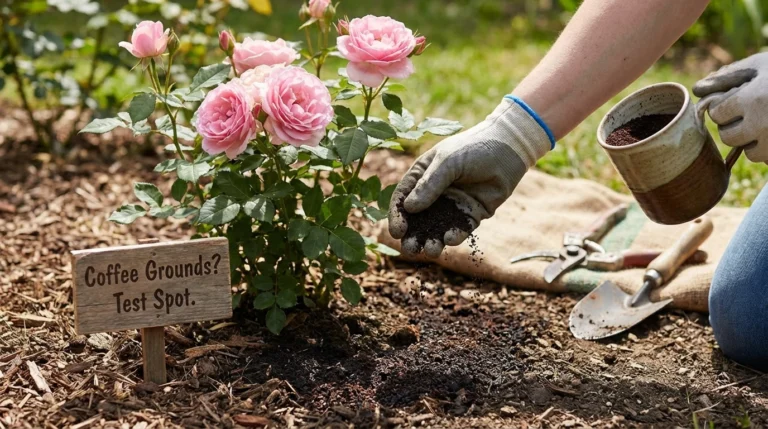
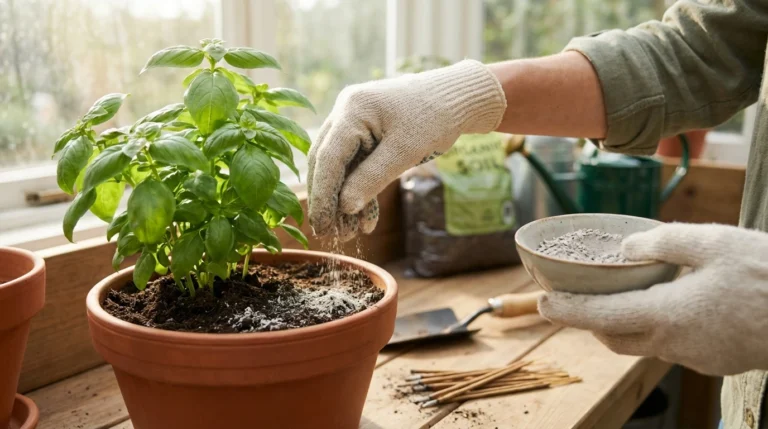
You can use coffee grounds as a slow-release fertilizer. They are particularly beneficial when mixed into the soil at the beginning of the growing season. Here’s how:
- Collect used coffee grounds and let them dry out.
- Mix a thin layer (about 1/4 inch) into the soil around the base of your roses.
- Water the area to help the nutrients seep into the root zone.
As Compost Material
Incorporating coffee grounds into your compost pile is another excellent way to utilize them. They can help balance the carbon-to-nitrogen ratio, especially if your compost has a lot of brown materials like leaves or straw.
As Mulch
Using coffee grounds as mulch can help retain moisture and suppress weeds. Just be careful not to layer them too thickly, as they can compact and create a barrier that water can’t penetrate.
Potential Drawbacks of Using Coffee Grounds
Despite their benefits, coffee grounds can also have a few downsides that gardeners should be aware of:
Acidity Concerns
Coffee grounds are slightly acidic, which can affect the pH of your soil. While roses generally prefer slightly acidic to neutral soil, too much acidity can harm them, especially if your soil is already on the acidic side. It’s essential to test your soil’s pH before applying coffee grounds.
Nutrient Imbalance
Over-application can lead to nutrient imbalances. Too much nitrogen from coffee grounds can result in excessive leaf growth at the expense of blooms. Always use coffee grounds in moderation to maintain a balanced nutrient profile.
Attracting Pests
Unused coffee grounds can attract pests like snails and slugs. If you’re using them as mulch, consider mixing them with other organic materials to reduce this risk.
Best Practices for Using Coffee Grounds on Roses
To maximize the benefits of coffee grounds while minimizing potential risks, follow these best practices:
Testing Your Soil
Before adding coffee grounds, it’s wise to test your soil’s pH and nutrient levels. This will help you determine whether your soil can benefit from the addition of coffee grounds or if you should consider alternative amendments.
Mix with Other Organic Materials
When using coffee grounds, consider mixing them with other organic materials like compost, leaf mold, or well-rotted manure. This blend can provide a broader range of nutrients and help mitigate acidity.
Application Techniques
Use coffee grounds sparingly. A good rule of thumb is to apply no more than a 1/4 inch layer around the base of your roses. You can also incorporate them into your soil by tilling it in or adding them to your compost pile.
Ideas for Using Coffee Grounds in the Garden
Here are some creative and visually appealing ways to incorporate coffee grounds into your gardening routine:
- Layered Garden Bed: Create a visually striking layered garden bed with coffee grounds as a top layer, mixed with colorful flowers and plants for contrast.
- DIY Fertilizer Tea: Make a nutrient-rich fertilizer tea by steeping coffee grounds in water and using it to water your roses.
- Decorative Pots: Decorate your pots with coffee grounds mixed into the soil for added texture and visual appeal.
- Garden Pathways: Use coffee grounds to create a unique, dark, and rich-looking pathway in your garden.
- Compost Bin Display: Showcase your compost bin with a sign indicating the use of coffee grounds, making it a point of interest for visitors.
Expert Tips for Using Coffee Grounds
Here are some insider tips for using coffee grounds effectively in your rose garden:
Pair with Other Amendments
Mix coffee grounds with lime if your soil is too acidic. This combination can help maintain a balanced pH while providing nutrients.
Use Fresh Grounds Sparingly
If using fresh coffee grounds, be cautious. They have a higher acidity level and may contain caffeine, which can harm sensitive plants. Always allow them to decompose slightly before applying.
Observe Plant Reaction
After applying coffee grounds, pay attention to how your roses respond. If you notice any negative changes, such as wilting or discoloration, reconsider the frequency and amount of application.
Common Questions About Coffee Grounds and Roses
1. Can coffee grounds help roses bloom more?
Yes, coffee grounds can promote blooming by providing essential nutrients like phosphorus when used correctly and in moderation.
2. How often should I apply coffee grounds to my roses?
Apply coffee grounds once a month during the growing season, ensuring not to exceed a 1/4 inch layer to prevent compaction and acidity issues.
3. Are there specific rose varieties that benefit more from coffee grounds?
While most roses can benefit, those that thrive in slightly acidic conditions, like hybrid teas and floribundas, may respond better to coffee grounds.
4. Can I use decaffeinated coffee grounds for roses?
Yes, decaffeinated coffee grounds can be used as they offer similar nutrient benefits without the potential caffeine effects.
5. How do I store coffee grounds for the garden?
Store coffee grounds in a dry, airtight container to prevent mold growth. You can also freeze them for longer storage.
Conclusion
Using coffee grounds in your rose garden can be a rewarding experience when done thoughtfully. By understanding the benefits and potential drawbacks, you can make informed decisions that enhance the health and beauty of your roses. Remember, moderation is key, and always pay attention to your plants’ responses. Happy gardening!