Gardening can sometimes feel like a balancing act, especially when it comes to understanding the unique needs of different soil types. If you’re dealing with clay soil, you might wonder about the benefits and drawbacks of using wood ash. This versatile byproduct from your fireplace or wood stove offers many potential advantages, but is it the right choice for your garden? Exploring how wood ash affects pH levels in clay soil can help you make an informed decision that nurtures your plants and promotes healthy growth.
Quick Answer
Wood ash can improve clay soil by enhancing drainage and aeration while also raising the soil’s pH. However, its use should be balanced, as excessive application can lead to overly alkaline soil, which may harm certain plants.
Understanding Clay Soil
Before diving into the relationship between wood ash and clay soil, it’s vital to understand what clay soil is. Clay soil consists of tiny particles that are tightly packed together, making it dense and heavy. While it can be nutrient-rich, it often suffers from poor drainage and aeration.
Characteristics of Clay Soil
- Texture: Smooth and sticky when wet, it can form clumps.
- Drainage: Slow to drain, leading to waterlogging.
- Nutrient Content: High in nutrients but can become compacted.
Challenges of Clay Soil
Due to its composition, clay soil can pose several challenges for gardeners:
- Poor Drainage: This can lead to root rot and other plant diseases.
- Compaction: Difficult for roots to penetrate, limiting plant growth.
- Temperature Regulation: Tends to retain heat, which can be detrimental to some plants.
Wood Ash: An Overview
Wood ash is the residue left after the combustion of wood, and it contains various minerals and nutrients beneficial for plants. It is rich in potassium, calcium, and magnesium, making it a valuable addition to your garden.
Nutrient Composition of Wood Ash
- Potassium: Essential for plant health, it aids in photosynthesis and water regulation.
- Calcium: Supports cell wall structure and improves soil structure.
- Magnesium: Vital for chlorophyll production and overall plant vigor.
Benefits of Using Wood Ash
Incorporating wood ash into your garden can offer multiple advantages:
- Improves Soil Structure: Helps break up clay soil, enhancing aeration and drainage.
- Increases pH: Raises the alkalinity of acidic soils, making nutrients more available.
- Natural Fertilizer: Provides essential nutrients that can reduce the need for chemical fertilizers.
How Wood Ash Affects pH Levels in Clay Soil
One of the most significant impacts of wood ash on clay soil is its effect on pH levels. The pH scale measures how acidic or alkaline a substance is, with 7 being neutral. Most garden plants prefer a pH between 6.0 and 7.5.
The Role of pH in Soil Health
- Acidity and Alkalinity: Soil that is too acidic (below 6.0) can hinder nutrient availability.
- Optimal Nutrient Uptake: A balanced pH ensures that essential nutrients are accessible to plants.
- Microbial Activity: Healthy soil pH supports beneficial microorganisms that aid in nutrient cycling.
How Wood Ash Increases Soil pH
Wood ash is typically alkaline, and when added to clay soil, it can increase the pH level. Here’s how it works:
- Neutralizing Acidity: The alkaline nature of wood ash counteracts acidic soil, raising the overall pH.
- Calcium Content: The calcium in wood ash contributes to a higher pH, promoting a more balanced soil environment.
Using Wood Ash in Clay Soil: Best Practices
To reap the benefits of wood ash while avoiding potential pitfalls, it’s essential to use it correctly. Here are some best practices for incorporating wood ash into clay soil:
Application Guidelines
- Testing Soil pH: Always test your soil’s pH before adding wood ash to determine if it truly needs alkalizing.
- Amount to Apply: A general recommendation is to apply no more than 5-10 pounds of wood ash per 100 square feet of garden space.
- Timing: Apply wood ash in the fall or spring when the soil is moist, allowing it to blend well.
How to Incorporate Wood Ash into Clay Soil
Here’s a step-by-step guide on how to effectively mix wood ash into your garden:
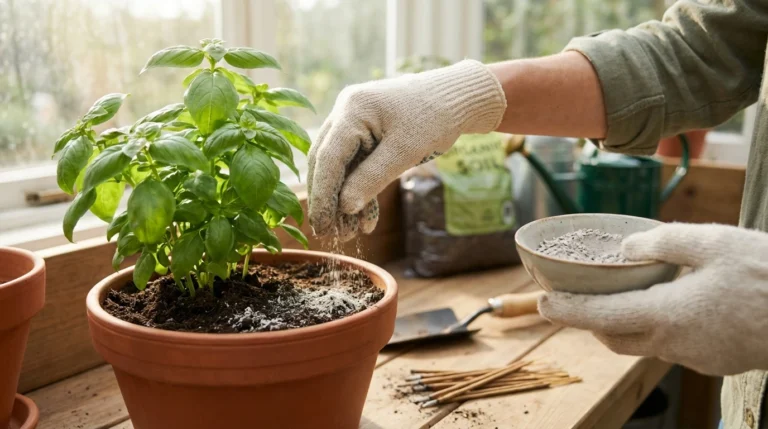
- Spread Evenly: Distribute the wood ash evenly over the surface of the soil.
- Lightly Rake: Use a rake to mix the ash into the top 2-3 inches of soil.
- Water Thoroughly: Water the area well to help the ash integrate into the soil.
Ideas for Using Wood Ash in Your Garden
Here are some creative ways to utilize wood ash in your gardening practices:
- DIY Fertilizer: Mix wood ash with compost to create a nutrient-rich fertilizer.
- Pest Deterrent: Sprinkle wood ash around plants to deter slugs and snails.
- Mulch Alternative: Use wood ash as a mulch to retain moisture and suppress weeds.
Expert Tips for Maximizing Benefits
For those looking to make the most out of using wood ash in clay soil, consider these expert tips:
- Combine with Organic Matter: Mixing wood ash with compost or well-rotted manure can enhance its effectiveness.
- Avoid Overuse: Too much wood ash can lead to nutrient imbalances; moderation is key.
- Monitor Soil Health: Regularly test your soil pH and nutrient levels to ensure optimal growing conditions.
Common Questions about Wood Ash and Clay Soil
1. Can I use wood ash on all types of soil?
While wood ash can benefit many soil types, it is particularly effective in acidic soils. Avoid using it in alkaline soils where it can cause nutrient imbalances.
2. How often should I apply wood ash?
Generally, applying wood ash once or twice a year is sufficient. Always monitor your soil’s pH to avoid over-alkalizing.
3. Are there any plants that don’t like wood ash?
Some acid-loving plants, such as blueberries and azaleas, may not thrive if wood ash is applied, as it raises soil pH.
4. Can I mix wood ash with other amendments?
Yes, combining wood ash with compost or organic fertilizers can create a balanced nutrient mixture for your soil.
5. Is there a risk of heavy metals in wood ash?
While most wood ash is safe, avoid using ash from treated or painted wood, as it may contain harmful chemicals.
Conclusion
Using wood ash in clay soil can be a game-changer for your garden. It not only improves soil structure and drainage but also raises pH levels for better nutrient availability. By following best practices and being mindful of your soil’s needs, you can enhance your gardening success. Embrace the power of wood ash and watch your plants thrive!