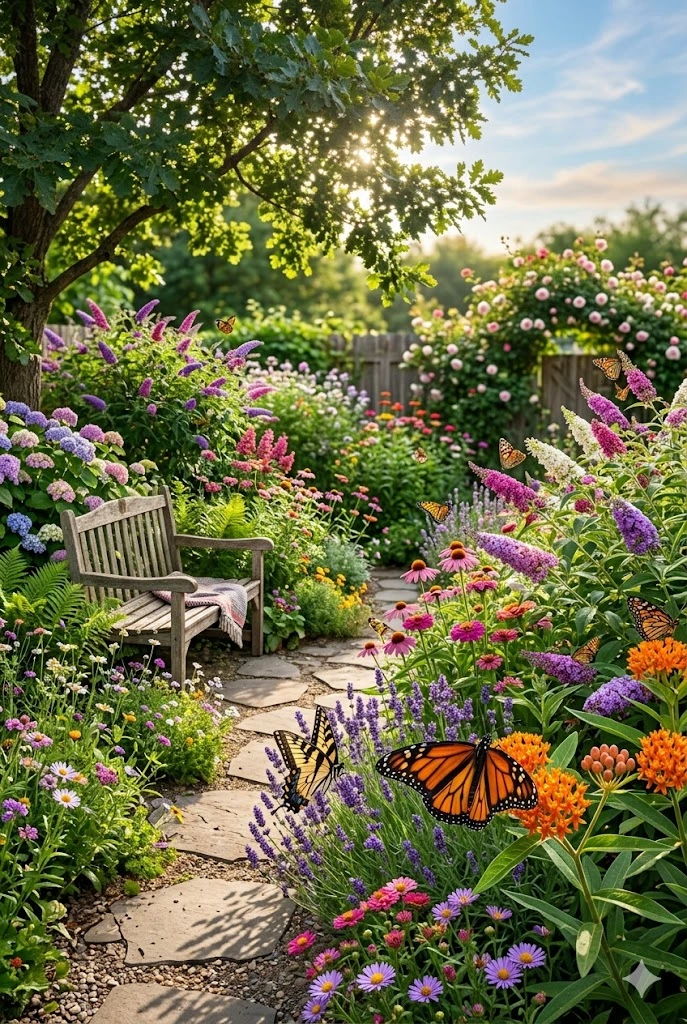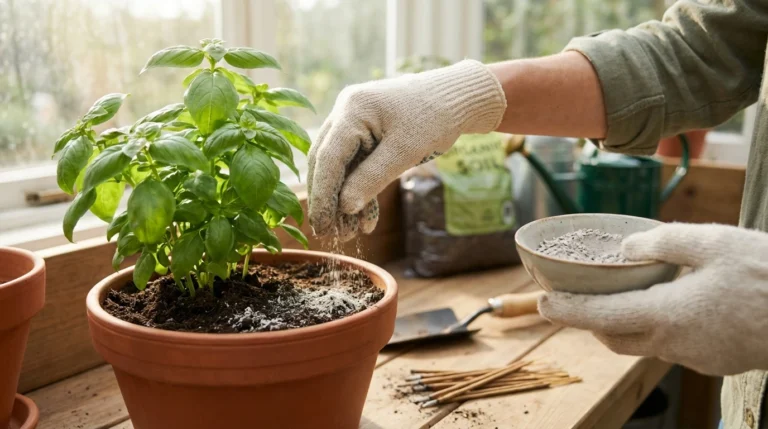
Imagine stepping into your backyard and being greeted by a vibrant display of colorful butterflies fluttering around. This was once just a dream for me, but I turned my dull, uninspiring backyard into a stunning butterfly paradise. With the right plants, careful planning, and a little creativity, I transformed my outdoor space into a sanctuary for these beautiful creatures. Join me as I share the journey, insights, and tips that will help you create your very own butterfly haven.
Understanding Butterflies and Their Needs
Before diving into the transformation process, it’s crucial to understand what butterflies need to thrive. Butterflies have specific requirements for food, shelter, and breeding. By catering to these needs, you can attract a variety of butterfly species to your garden.
The Basics of Butterfly Habitats
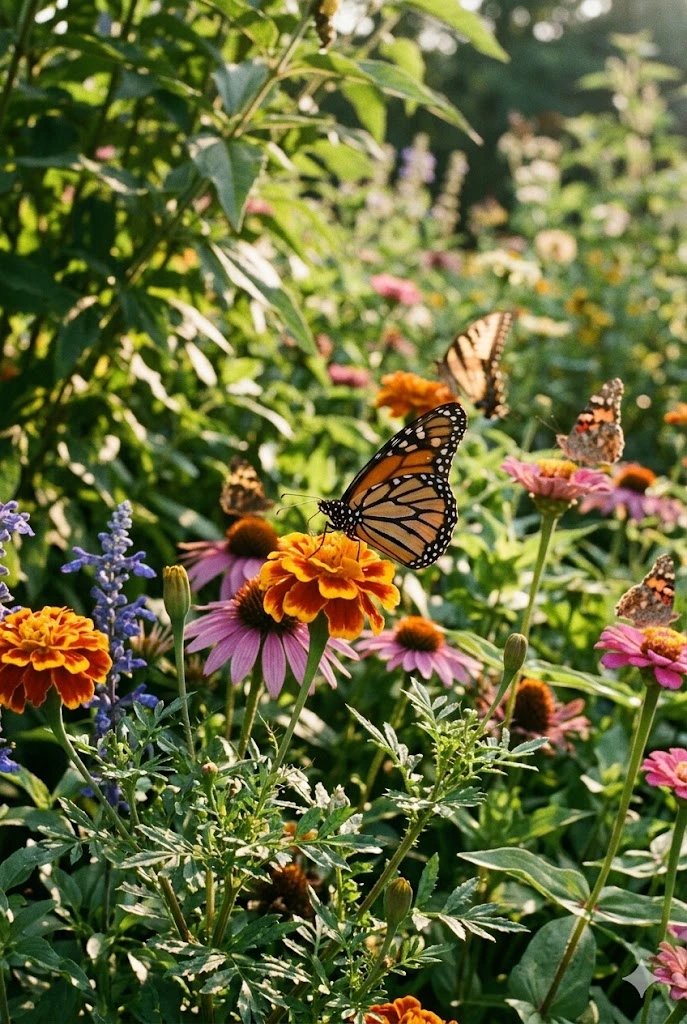
- Food Sources: Butterflies primarily feed on nectar from flowers. They are attracted to brightly colored blooms, particularly those in shades of yellow, pink, red, and purple.
- Host Plants: These plants are essential for butterflies to lay their eggs. Each butterfly species has specific host plants that cater to their larvae.
- Sunlight: Butterflies are cold-blooded and rely on sunlight to warm up. A sunny area in your garden is crucial for their activity.
- Shelter: Providing places for butterflies to rest and hide from predators is vital. Consider adding shrubs and tall grasses for cover.
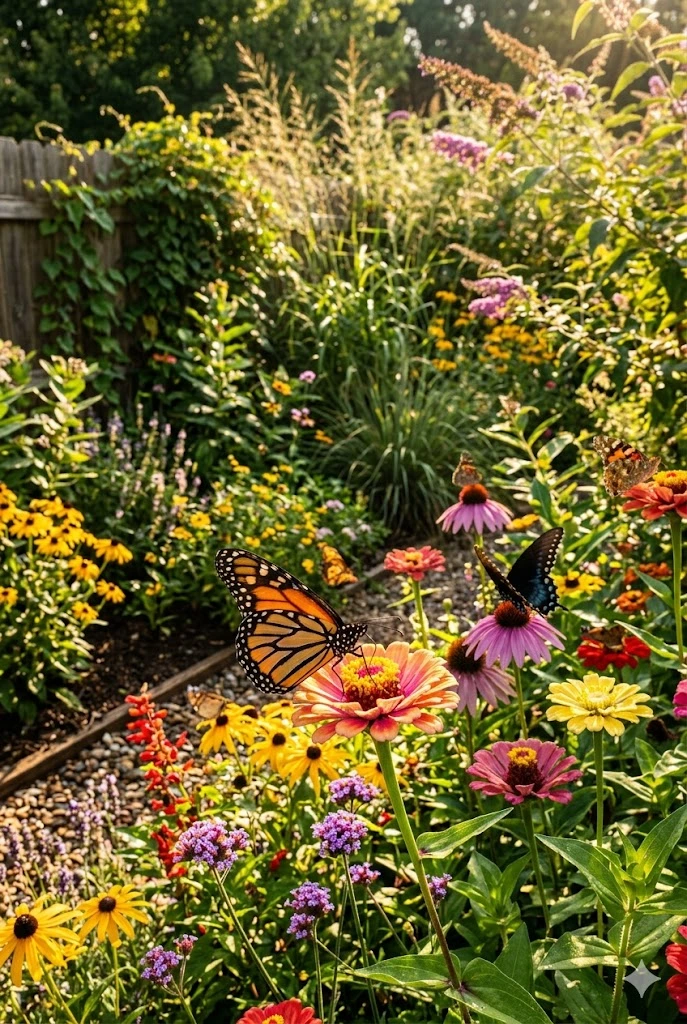
Step-by-Step Guide to Creating a Butterfly Paradise
1. Planning Your Butterfly Garden
Start by sketching a layout of your garden. Consider using different zones for various plant types, ensuring that you have a mix of nectar and host plants. Think about accessibility and how you want to enjoy your garden.
2. Choosing the Right Plants
Plant selection is critical. Here are some fantastic choices for nectar and host plants:
Nectar Plants
- Milkweed: Not only is it a nectar source, but it’s also the host plant for monarch butterflies.
- Bee Balm: This fragrant flower attracts various butterflies and bees.
- Lavender: A favorite for many butterfly species, lavender adds beauty and fragrance to your garden.
- Echinacea (Coneflower): These hardy blooms are perfect for attracting butterflies and are drought-resistant.
Host Plants
- Parsley, Dill, and Fennel: Essential for swallowtail butterflies.
- Violets: The host plant for many fritillary butterflies.
- Brassicas (Cabbage and Kale): Important for the cabbage white butterfly.
3. Creating a Welcoming Environment
Once you’ve chosen your plants, it’s time to prepare your garden space. Here are some tips:
- Soil Preparation: Ensure your soil is rich in organic matter. Test pH levels and amend as necessary.
- Planting Design: Group plants in clusters to make it easier for butterflies to find them.
- Water Sources: Include shallow water dishes with pebbles for butterflies to drink from safely.
4. Adding Decorative Elements
Incorporate decorative elements to make your garden more inviting:
- Butterfly Houses: These provide shelter and a place for butterflies to rest.
- Garden Art: Wind chimes, colorful stakes, and sculptures can enhance visual appeal.
- Seating Areas: Create spots where you can relax and enjoy the beauty of your butterfly garden.
5. Maintenance Tips
Maintaining a butterfly garden is essential for its longevity. Here are some tips to keep it thriving:
- Regular Watering: Ensure plants receive adequate water, especially during dry spells.
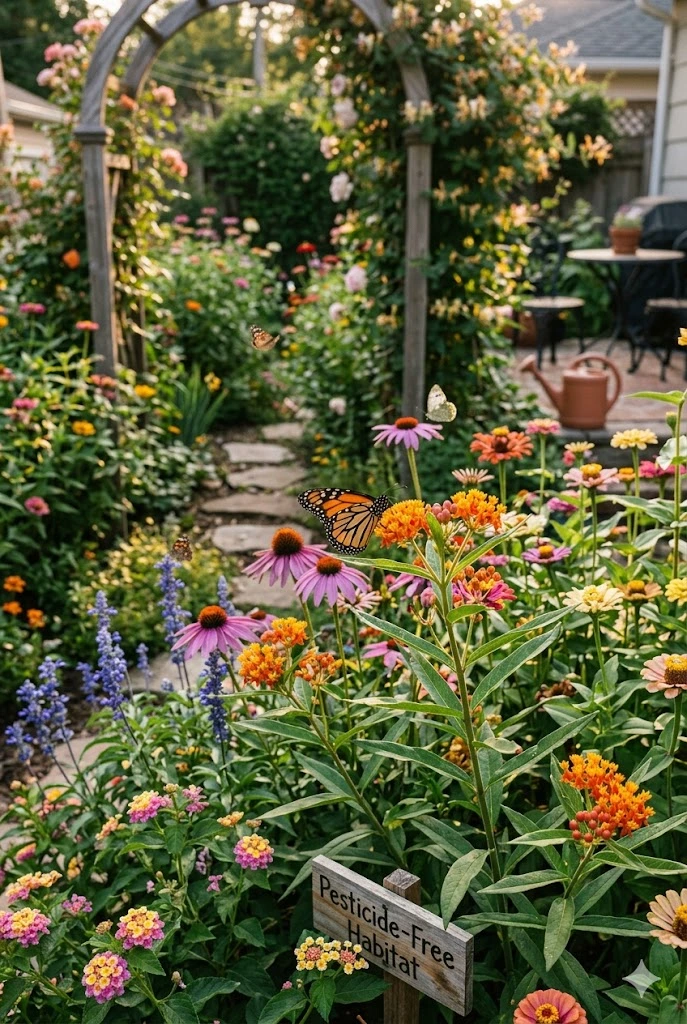
- Pest Control: Use organic methods to control pests; avoid harmful chemicals that can deter butterflies.
- Deadheading Flowers: This encourages more blooms and keeps your garden looking fresh.
Pinterest-Style Ideas for a Butterfly Garden
Here are some catchy and unique ideas to inspire your butterfly garden:
- Color Burst Zones: Create sections with specific color themes to attract different butterfly species.
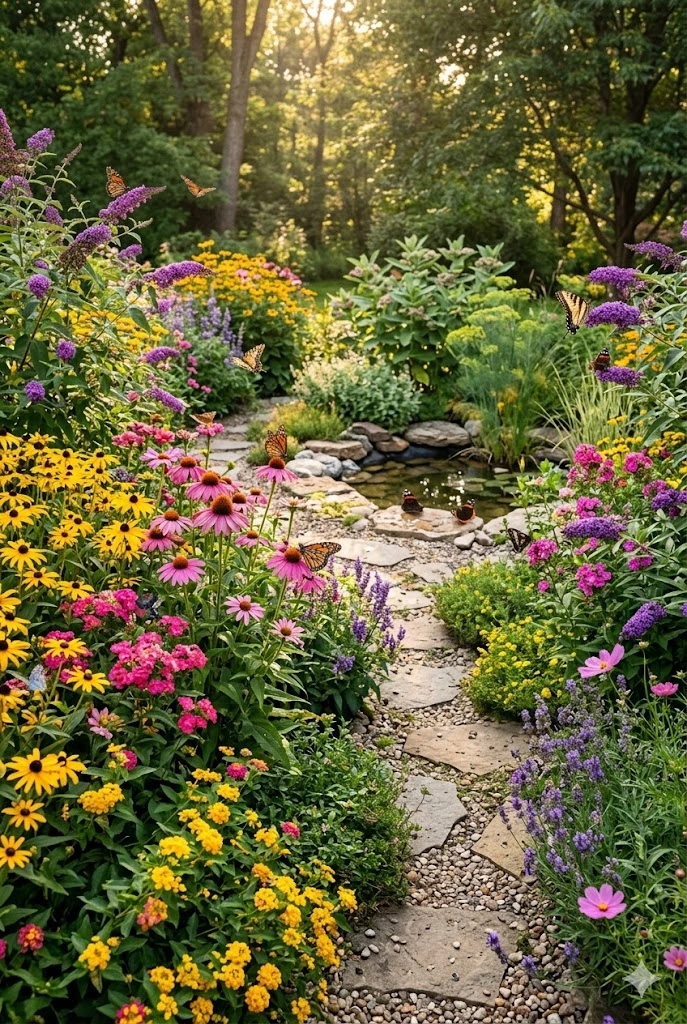
- Butterfly Trails: Design winding paths lined with nectar plants for butterflies to explore.
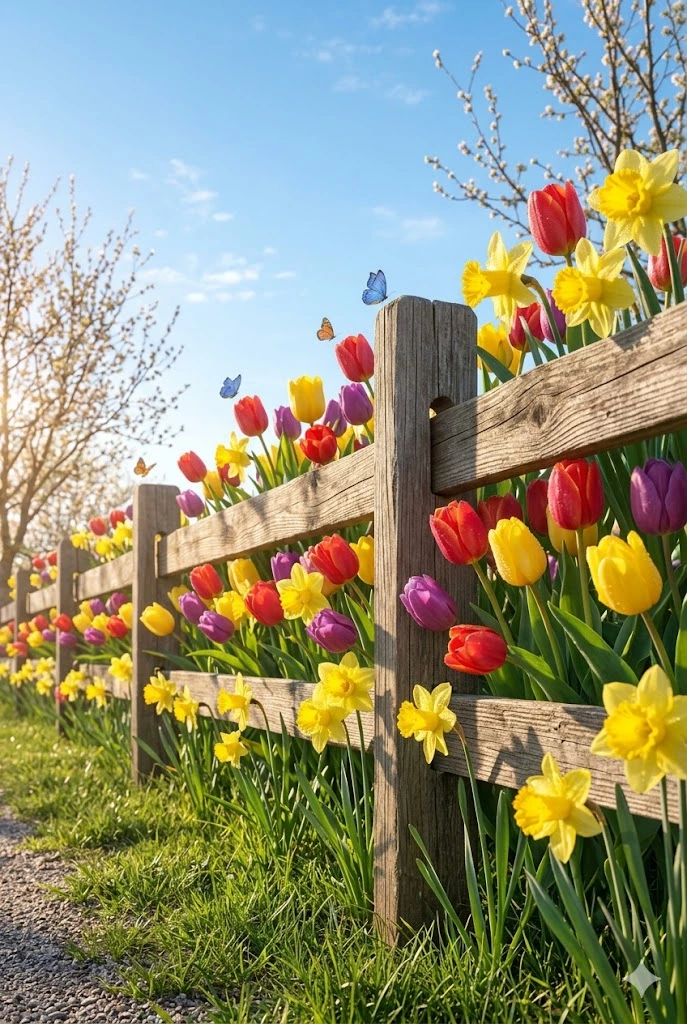
- Seasonal Blooms: Plant a variety of flowers that bloom at different times to ensure a continuous food source.
- Interactive Features: Add a small chalkboard for kids to track butterfly sightings.
- Mini Butterfly Oasis: Set up a small, shallow pond surrounded by host and nectar plants.
Expert Tips for Attracting Butterflies
Here are some lesser-known tips that can significantly enhance your butterfly garden:
- Companion Planting: Pair plants that attract butterflies with those that deter pests. For example, planting marigolds near your nectar plants can help keep aphids away.
- Use Native Plants: Native plants are more attractive to local butterfly species and require less maintenance.
- Plant in Clusters: Butterflies are more likely to visit clusters of flowers rather than single plants.
- Timing of Planting: Plant in the fall or spring when the soil temperatures are optimal for root growth.
Common Questions About Butterfly Gardens
1. How long does it take for butterflies to find my garden?
It can take several weeks for butterflies to discover your garden once it’s established. Patience is key!
2. Can I attract butterflies in a small garden?
Absolutely! Even a small garden can attract butterflies. Focus on selecting a few key plants and creating a welcoming environment.
3. Should I avoid using any chemicals in my butterfly garden?
Yes, it’s best to avoid pesticides and herbicides, as they can harm butterflies and other beneficial insects.
4. What is the best time of year to plant for butterflies?
The best time to plant is in the spring or early fall, depending on your local climate. This timing allows plants to establish roots before extreme temperatures.
5. How can I encourage butterflies to breed in my garden?
By providing the right host plants for butterfly larvae, you can encourage breeding. Make sure to include plants that cater to local butterfly species.
Conclusion
Transforming my backyard into a butterfly paradise has been a rewarding journey. It’s not just about creating a beautiful space; it’s about nurturing an ecosystem that supports these delicate creatures. With careful planning, the right plant choices, and a bit of creativity, you can enjoy the magical presence of butterflies in your own yard. Start small, and watch as your efforts bloom into a thriving butterfly haven!