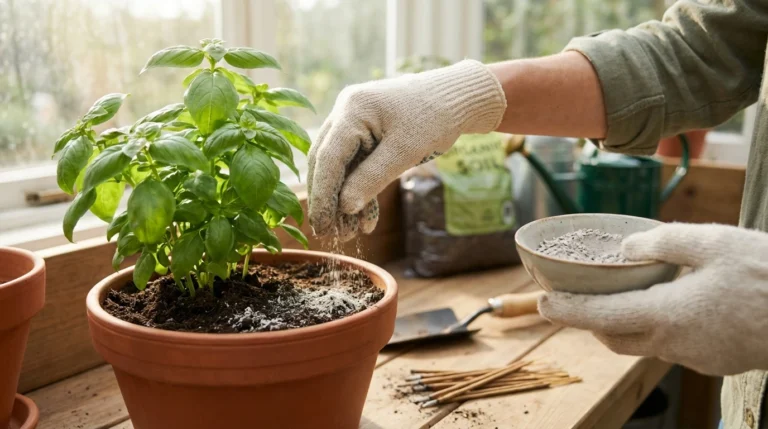
Have you ever wondered if you can use potting soil in your garden beds? It’s a question that many gardeners grapple with, especially when they want to give their plants the best start possible. While potting soil can be a convenient option for container gardening, its use in the ground isn’t as straightforward. Understanding the pros and cons can help you make an informed decision that benefits your plants and your garden’s health.
Quick Answer
Yes, you can use potting soil in the ground, but it’s not always advisable. Potting soil is designed for container gardening and may lack essential nutrients and drainage properties needed for in-ground planting. Consider the specific needs of your plants and the characteristics of your garden soil before making a choice.
Understanding Potting Soil
Before diving into the pros and cons, it’s essential to understand what potting soil is. Unlike garden soil, which is typically composed of a mixture of clay, silt, sand, and organic matter, potting soil is specially formulated to provide the optimum environment for potted plants. Here are some key components:
- Peat Moss: Retains moisture and provides aeration.
- Perlite or Vermiculite: Enhances drainage and aeration.
- Fertilizers: Often contains added nutrients to support plant growth.
- Compost: Adds organic matter and beneficial microorganisms.
Pros of Using Potting Soil in the Ground
Using potting soil in your garden can offer several benefits, depending on your specific situation. Here’s a closer look at the advantages:
1. Improved Drainage
Potting soil is designed for containers where drainage is critical. If your garden soil is heavy clay or tends to retain water, mixing in potting soil can improve drainage, preventing root rot and other moisture-related issues.
2. Enhanced Aeration
The inclusion of perlite or vermiculite in potting soil helps create air pockets, allowing roots to breathe better. This can be particularly beneficial for compacted or dense garden soils.
3. Nutrient Boost
Potting soil often contains fertilizers that can provide a nutrient boost for your plants. If your garden soil lacks organic matter or nutrients, potting soil can supplement these deficiencies, promoting healthier plant growth.
4. Convenience
For gardeners with limited mobility or those who prefer ease of use, potting soil can be a convenient option. It comes pre-mixed and ready to use, saving you the effort of mixing your own soil amendments.
Cons of Using Potting Soil in the Ground
While there are benefits, there are also significant drawbacks to consider before using potting soil in your garden beds. Here are some of the main concerns:
1. Cost
Potting soil is generally more expensive than garden soil. If you have a large area to cover, the cost can add up quickly. This is especially true if you’re using it as a primary planting medium rather than just an amendment.
2. Nutrient Imbalance
Potting soil is formulated for container plants, which have different nutrient needs than in-ground plants. Over time, the nutrients can deplete or may not align with the requirements of your garden plants, leading to deficiencies.
3. Potential Pest Problems
Some potting soils may contain pests or pathogens that could be harmful to your garden. It’s essential to choose high-quality potting soil to minimize this risk, but it’s still a factor to consider.
4. Lack of Microbial Diversity
Garden soil typically contains a diverse range of beneficial microorganisms that help plants thrive. Potting soil, especially sterile mixes, may lack this diversity, which could hinder plant health and growth over time.
When to Use Potting Soil in the Ground
While using potting soil in the ground has its drawbacks, there are specific situations where it might be beneficial:
1. Establishing New Garden Beds
If you’re creating a new garden bed in poor-quality soil, mixing in potting soil can help jumpstart the process, providing better drainage and nutrients while you work on improving the native soil over time.
2. Planting Flowers and Vegetables
For young plants and seedlings, using potting soil can create a nurturing environment that promotes root development and overall growth. This is especially true for tender annuals and herbs.
3. Container Plants Transitioning to the Ground
If you’re moving container plants to the ground, mixing potting soil with garden soil can help ease their transition, providing a familiar environment while they adapt.
How to Successfully Use Potting Soil in the Ground
If you decide to use potting soil in your garden, here are some practical tips to ensure success:
1. Mix with Native Soil
To maximize benefits and minimize drawbacks, always mix potting soil with your existing garden soil. A good ratio is 1 part potting soil to 3 parts native soil.
2. Test Soil Health
Before adding potting soil, conduct a soil test to assess pH levels and nutrient content. This information will guide your amendments and help you choose the right potting soil for your specific needs.
3. Monitor Watering
Keep an eye on your watering practices. Potting soil retains moisture more effectively than native soil, so adjust your watering schedule to avoid overwatering.
4. Regularly Amend the Soil
To maintain soil health, regularly add compost or organic matter to your garden. This helps restore microbial diversity and provides ongoing nutrients for your plants.
Ideas for Gardeners
If you’re looking for inspiration on how to incorporate potting soil into your garden, consider these creative ideas:
- Container-Garden Integration: Use potting soil for container gardens and mix leftovers into garden beds to improve soil quality.
- Raised Bed Gardening: Create raised beds with a mixture of potting soil and garden soil for optimal drainage and nutrient availability.
- Herb Gardens: Use potting soil to start an herb garden in the ground, providing the right conditions for successful growth.
- Flower Borders: Enhance flower borders by mixing potting soil to promote vibrant blooms and healthy plants.
Expert Tips for Using Potting Soil Effectively
Here are some insider tips to optimize your use of potting soil in the ground:
1. Choose Quality Brands
Not all potting soils are created equal. Research and choose reputable brands that offer organic options or those enriched with beneficial microorganisms.
2. Consider Biodegradable Options
Look for biodegradable potting soils that use sustainable materials. These options can seamlessly integrate with your garden and support environmental health.
3. Use for Specific Plants
Consider using potting soil for specific plants that thrive in container-like conditions, such as succulents or tropical plants, when planted in the ground. This ensures they get the drainage and aeration they need.
Common Questions About Using Potting Soil in the Ground
1. Can I use potting soil for all types of plants?
No, while potting soil can be beneficial for certain plants, it may not suit all types, especially those that prefer denser, nutrient-rich soils.
2. Will potting soil help with poor drainage in my garden?
Yes, mixing potting soil into heavy clay soil can improve drainage, but ensure you balance it with enough garden soil to avoid overly loose conditions.
3. How often should I replace potting soil in the ground?
It’s advisable to refresh the soil every couple of years, especially if you notice nutrient deficiencies or poor plant performance.
4. Is it safe to use potting soil for edible plants?
Yes, as long as you select organic potting soil without harmful additives, it’s generally safe for growing edible plants.
Conclusion
Using potting soil in the ground can be a practical choice under certain circumstances, but it requires careful consideration and application. By understanding the pros and cons and following best practices, you can create a thriving garden that benefits from the unique properties of potting soil while still leveraging the advantages of your native soil. Happy gardening!