Are you noticing stunted growth or yellowing leaves in your garden? It might be time to check your soil’s nutrient levels, particularly copper. This essential trace mineral plays a crucial role in plant health, aiding in photosynthesis and enzyme functions. While copper is often overlooked, natural methods to enhance its presence in your soil can lead to thriving plants and bountiful harvests. Let’s explore how to add copper to your soil naturally with four effective tips.
Quick Answer
To naturally add copper to your soil, consider using composted materials, copper-rich fertilizers, seaweed, and mulching with copper-bearing plants. These methods will help ensure your garden has the necessary levels of this vital nutrient.
Understanding Copper’s Role in Soil
Copper is essential for plant growth, albeit in small amounts. It functions as a catalyst in various enzymatic reactions and is crucial for chlorophyll production. Without adequate copper, plants may exhibit signs of deficiency, such as:
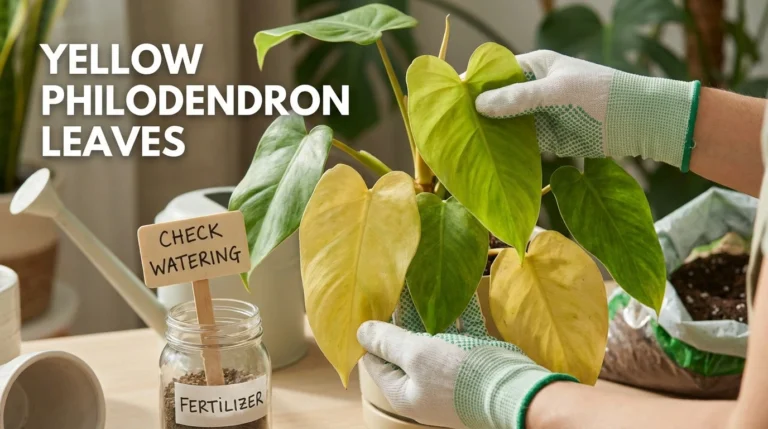
- Pale or yellowing leaves
- Stunted growth
- Weak stems and branches
- Reduced fruit quality and yield
Understanding why copper is vital can help you make informed decisions about its addition to your soil.
Tip 1: Use Composted Materials
One of the easiest ways to enhance copper levels is by adding composted materials to your garden. Well-rotted compost can introduce various trace elements, including copper, into the soil.
How to Make Copper-Rich Compost
- Select the Right Ingredients: Incorporate kitchen scraps like vegetable peels, fruit waste, and coffee grounds. Adding copper-rich materials like eggshells can also be beneficial.
- Layering: Ensure you layer brown materials (like dried leaves or cardboard) with green materials (like grass clippings or vegetable scraps) to promote aeration and decomposition.
- Regular Turning: Turn your compost pile every few weeks to aerate it and speed up the decomposition process. This will also help distribute nutrients evenly.
- Time to Decompose: Allow the compost to decompose for at least three months before using it in your garden. This ensures that it reaches the right nutrient levels.
When applied to your garden, this rich compost will gradually release copper into the soil, promoting healthier plant growth.
Tip 2: Incorporate Copper-Rich Fertilizers
Another effective way to boost copper levels is by using fertilizers that are naturally high in copper. Look for organic options that contain this trace mineral.
Types of Copper-Rich Fertilizers
- Alfalfa Meal: This organic fertilizer is not only high in nitrogen but also contains trace minerals, including copper.
- Seaweed Fertilizer: Seaweed is rich in micronutrients, and many products on the market contain adequate amounts of copper.
- Fish Emulsion: Fish-based fertilizers often contain copper and can be a great addition to your garden.
When applying these fertilizers, follow the manufacturer’s instructions closely to ensure you don’t overdo it, as excessive copper can be harmful to plants.
Tip 3: Use Seaweed and Seaweed Extracts
Seaweed is a powerhouse of nutrients and is particularly rich in trace minerals, including copper. Whether you use it in fresh, dried, or extract form, incorporating seaweed can significantly improve your soil’s copper content.
How to Use Seaweed in Your Garden
- Dried Seaweed: Chop dried seaweed and mix it directly into the soil before planting. It will break down and release nutrients over time.
- Seaweed Mulch: Use fresh seaweed as mulch around your plants. It not only provides nutrients but also helps retain moisture in the soil.
- Seaweed Tea: Create a nutrient-rich tea by soaking dried seaweed in water for a few days. Use this liquid to water your plants.
Not only will this method enrich your soil with copper, but it also provides a variety of other nutrients that benefit plant growth.
Tip 4: Plant Copper-Bearing Plants
Certain plants naturally accumulate copper in their leaves and stems. By incorporating these plants into your garden, you can enhance the copper levels in your soil.
Examples of Copper-Bearing Plants
- Comfrey: This perennial herb is known for its ability to accumulate minerals in its leaves. Cutting it back and leaving the clippings in your garden can help enrich the soil.
- Brassicas: Plants like kale and broccoli are known to absorb copper. As they grow, they can contribute to the overall nutrient profile of your soil.
- Clover: As a nitrogen-fixing plant, clover can indirectly help improve the overall health of your soil, making it more conducive for copper absorption.
By cultivating these plants, you can create a sustainable cycle that naturally increases copper levels in your garden soil.
Expert Tips for Managing Copper Levels
While adding copper to your soil is beneficial, managing its levels is equally important. Here are some expert tips to keep in mind:
- Soil Testing: Regularly test your soil to monitor copper levels. This will help you understand how much to add and avoid toxicity.
- Balance is Key: Always aim for a balanced nutrient profile. Excessive copper can hinder the uptake of other essential nutrients.
- Watch for Deficiencies: Be aware of the symptoms of copper deficiency in plants, such as yellowing leaves and stunted growth. This will help you act quickly.
By being proactive about your soil’s health, you can ensure your plants thrive for years to come.
Common Questions About Copper in Soil
1. How do I know if my soil is deficient in copper?
Signs of copper deficiency include yellowing leaves, poor growth, and reduced yields. Conducting a soil test is the most reliable method to determine nutrient levels.
2. Can I add too much copper to my soil?
Yes, too much copper can be toxic to plants and can inhibit the uptake of other nutrients. Always follow recommended guidelines for adding copper.
3. How often should I add copper to my soil?
The frequency depends on your soil’s existing copper levels. Regular soil testing will help you determine how often to supplement.
4. Are there any plants that are sensitive to copper?
Some plants, especially those that are sensitive to heavy metals, may not thrive in copper-rich soils. Always research specific plant needs before adding copper.
5. Can I use synthetic fertilizers to add copper?
While synthetic options can supply copper, organic methods are preferable for long-term soil health and sustainability.
Conclusion
Enhancing the copper levels in your soil doesn’t have to be a complicated process. By incorporating compost, using copper-rich fertilizers, adding seaweed, and planting copper-bearing plants, you can create a healthy environment for your garden. Regular monitoring and a balanced approach will ensure your plants receive the nutrients they need to flourish. So, roll up your sleeves and get started on adding copper naturally—your plants will thank you for it!