When it comes to enhancing your garden’s beauty, mulch is an unsung hero. Not only does it keep weeds at bay and retain moisture, but it also adds an aesthetic touch that can elevate your landscape design. If you’re looking to impress your neighbors and create a stunning outdoor space, exploring creative mulch landscaping ideas is the way to go. Here are 25+ inspiring ideas to transform your garden into a picturesque haven!
Quick Answer
To create a stunning landscape with mulch, consider using colored mulch, layering different textures, or incorporating decorative stones. These ideas not only enhance visual appeal but also serve practical purposes like moisture retention and weed control.
Why Use Mulch in Your Landscaping?
Before diving into the creative ideas, let’s explore why mulch is essential for landscaping. Here are some key benefits:
- Weed Control: Mulch acts as a barrier to suppress weed growth.
- Moisture Retention: It helps retain soil moisture, reducing the need for frequent watering.
- Temperature Regulation: Mulch keeps soil cool in summer and insulated in winter.
- Soil Nutrients: Organic mulches break down over time, enriching the soil.
- Visual Appeal: It enhances the overall aesthetics of your garden.
25+ Mulch Landscaping Ideas
1. Colored Mulch
Bring vibrant colors to your garden by using colored mulch. Options range from deep red to rich black, allowing you to match your landscape theme.
2. Natural Wood Chips
For a rustic look, natural wood chips are perfect. They blend beautifully with greenery and provide a soft texture underfoot.
3. Stone and Gravel Mulch
Consider using decorative stones or gravel for low-maintenance landscaping. This type of mulch is perfect for pathways and garden beds.
4. Rubber Mulch
Rubber mulch is an eco-friendly option made from recycled tires. It’s durable and lasts longer than organic mulches, making it great for playgrounds.
5. Straw or Hay Mulch
Ideal for vegetable gardens, straw or hay mulch is an organic option that helps suppress weeds and retains moisture.
6. Pine Bark Nuggets
Pine bark nuggets offer a natural, textured look and are excellent for moisture retention. They also have a pleasant aroma.
7. Cocoa Hull Mulch
Cocoa hulls provide a rich chocolate color and delightful scent. However, be cautious if you have pets, as they can be toxic to dogs.
8. Pea Gravel Paths
Creating paths with pea gravel not only looks charming but also provides excellent drainage. It’s perfect for guiding visitors through your garden.
9. Coconut Coir Mulch
Coconut coir is biodegradable and excellent for moisture retention. It’s a fantastic choice for tropical-themed gardens.
10. Decorative Boulders
Incorporate decorative boulders among your mulch for added dimension. They can be used as focal points or to create borders.
11. Layering Mulch Types
Mix different types of mulch for a unique look. For instance, combine wood chips with gravel for texture and contrast.
12. Edging with Mulch
Use mulch as an edging material to define garden beds and pathways. It provides a clean look while preventing grass from encroaching.
13. Mulch with Plants
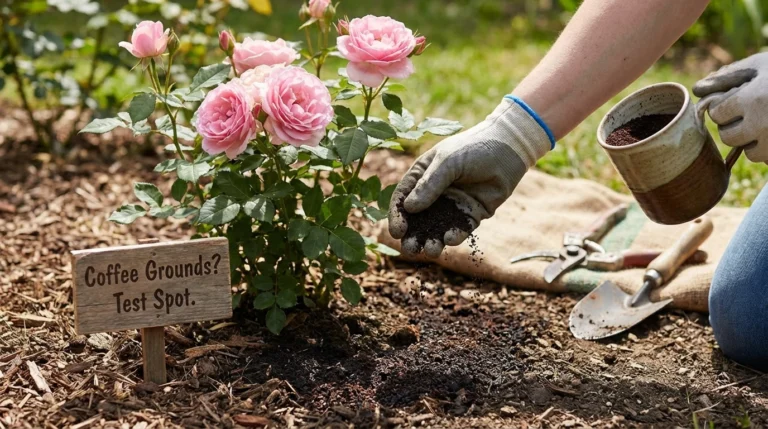
Pair mulch with flowering plants to create vibrant beds. The contrast between the mulch and blooms will draw the eye.
14. Mulch Under Trees
Creating a mulch bed around trees can reduce competition from grass and enhance the tree’s visual appeal.
15. Herb Spiral with Mulch
Construct an herb spiral using mulch to create a vertical garden. This design not only saves space but also adds visual interest.
16. Mulch in Raised Beds
Adding a layer of mulch in raised garden beds keeps soil moist and reduces the need for watering, promoting healthy plant growth.
17. Zen Garden with Sand and Mulch
For a serene atmosphere, combine sand and mulch in a Zen garden. Use raked patterns in the sand for a calming effect.
18. Mulch Around Patios
Create a soft border around patios with mulch. It cushions footsteps and softens the transition between hardscapes and softscapes.
19. Seasonal Mulch Changes
Change your mulch seasonally to keep your garden looking fresh. For autumn, consider using leaves or straw for a seasonal touch.
20. Artistic Mulch Patterns
Get creative by arranging mulch in artistic patterns or designs. This can be a fun project that shows off your personality.
21. Mulch with Edible Plants
Incorporate edible plants like strawberries or herbs into your mulch beds for a functional and beautiful garden.
22. Mulched Vegetable Rows
Create distinct rows in your vegetable garden using mulch. This helps in organization and provides easy access while reducing weeds.
23. Mulch Around Water Features
Surround water features with mulch to create a natural look. This enhances the beauty of the water element and helps with drainage.
24. Mulch for Wildlife
Use organic mulch to attract beneficial insects and wildlife. This promotes biodiversity and helps maintain a healthy ecosystem.
25. Creative Mulch Containers
Use large containers filled with mulch to create statement pieces in your garden. They can serve as planters or decorative elements.
Expert Tips for Mulching
To get the most out of your mulch, consider these expert tips:
- Choose the Right Type: Select mulch that complements your plants and overall garden theme.
- Apply the Correct Depth: A depth of 2-4 inches is ideal for most types of mulch.
- Keep Away from Plant Stems: Avoid piling mulch against plant stems to prevent rot.
- Refresh Annually: Organic mulch breaks down over time, so replenish it each year for best results.
- Consider Local Climate: Choose mulch materials that are suitable for your climate and soil type.
Common Questions About Mulch Landscaping
What is the best type of mulch for flower beds?
Organic mulches like shredded bark, wood chips, and straw are excellent for flower beds as they enrich the soil while offering weed control.
How often should I replace mulch?
It’s best to replenish organic mulch annually, as it decomposes over time and loses effectiveness in weed control and moisture retention.
Can I use gravel as mulch?
Yes, gravel is a great option for low-maintenance areas and provides excellent drainage while adding a modern touch to your landscape.
Is colored mulch safe for my plants?
Most colored mulches are safe, but it’s essential to choose products made from non-toxic dyes to avoid harming your plants.
How does mulch help with water conservation?
Mulch acts as a barrier, reducing evaporation from the soil and keeping it moist longer, which is particularly beneficial during hot weather.
Conclusion
Transforming your garden with mulch is a simple yet impactful way to enhance its beauty and functionality. From vibrant colors to unique textures, the right mulch can make all the difference. As you plan your landscaping ideas, consider how each element works together to create a cohesive and inviting outdoor space. Embrace these ideas to not only impress your neighbors but also enjoy a stunning garden retreat for yourself!