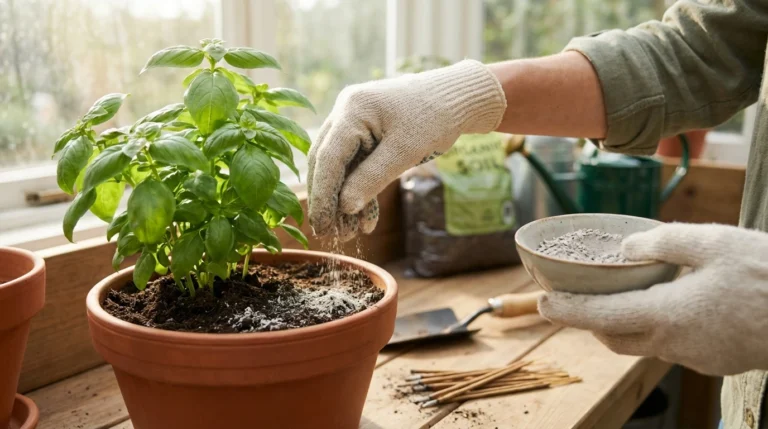
Transforming your garden doesn’t have to drain your wallet. With a little creativity and some everyday items, you can implement clever gardening hacks that enhance your outdoor space while staying budget-friendly. Whether you’re looking to improve your soil, create pest deterrents, or maximize your planting space, these 15+ gardening hacks will inspire you to make the most of what you have at home. Let’s dive into some ingenious ways to breathe life into your garden without breaking the bank!
Quick Answer
Using everyday items like coffee grounds, eggshells, and old containers, you can implement over 15 smart gardening hacks that enhance plant growth, deter pests, and optimize your garden space—all on a budget.
1. Coffee Grounds: The Gardener’s Secret Weapon
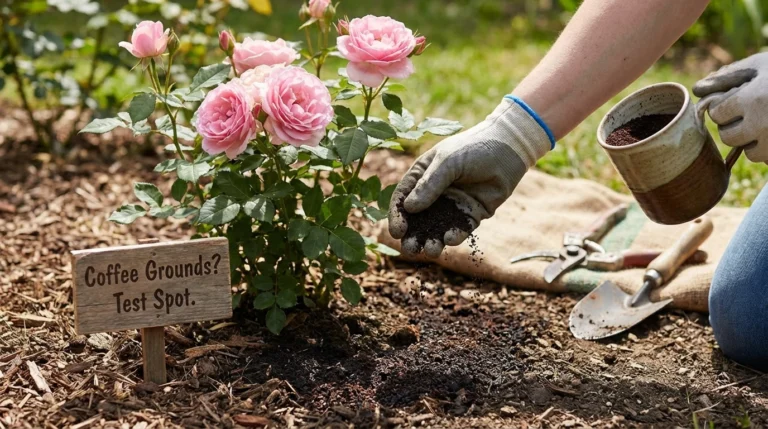
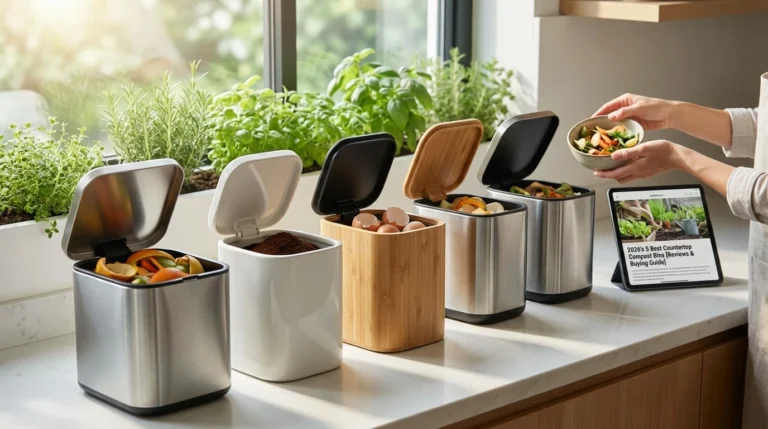
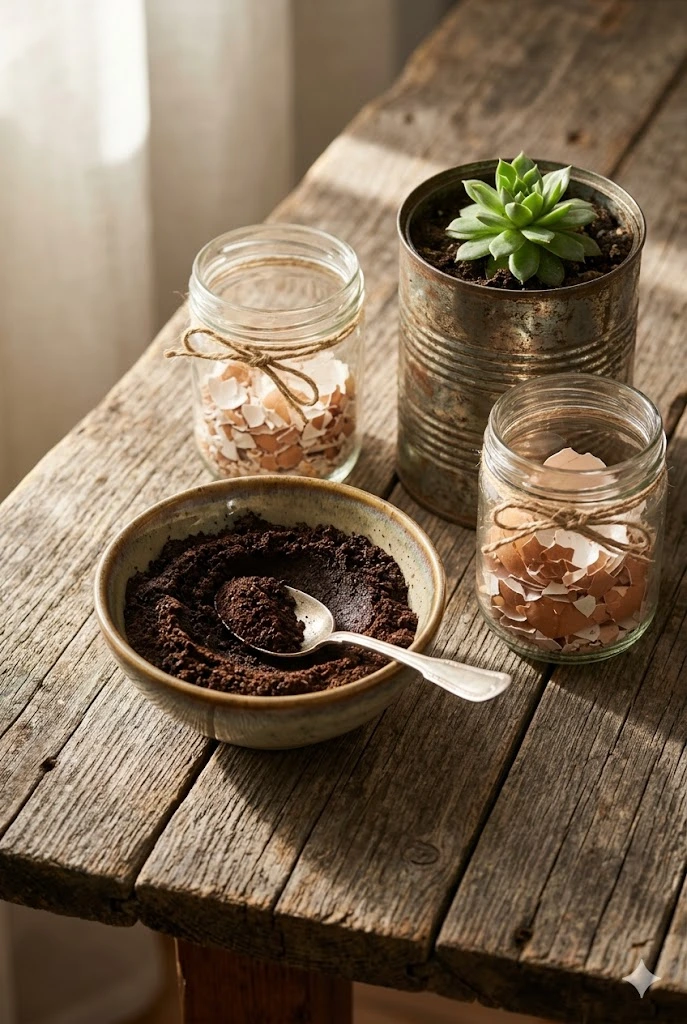
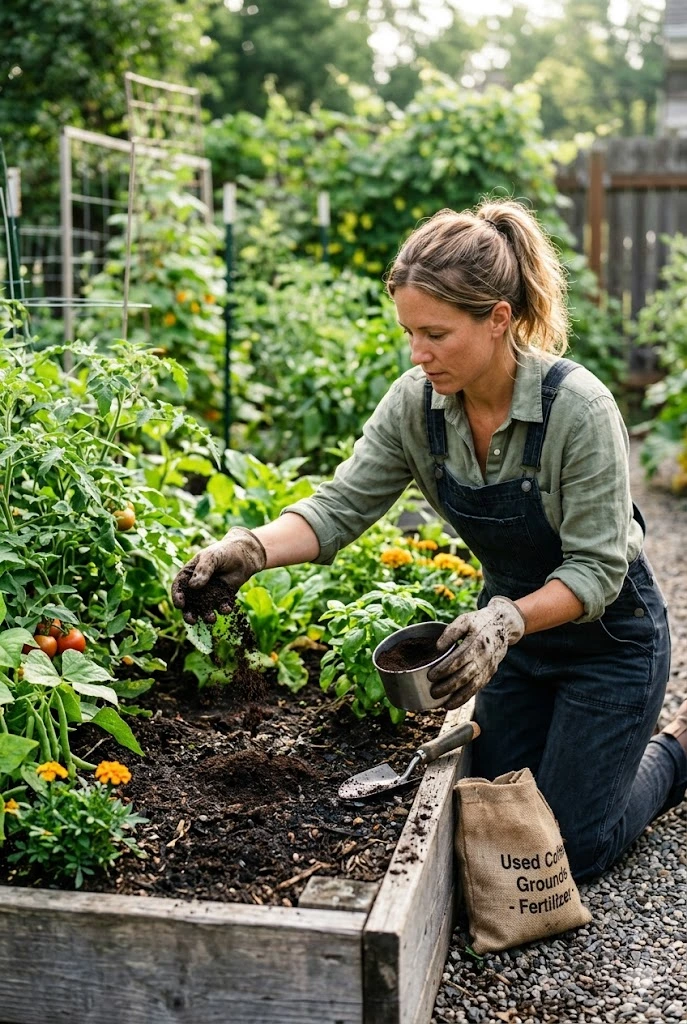
Coffee grounds are a fantastic addition to your gardening toolkit. Not only do they enrich the soil but they also attract beneficial earthworms.
How to Use Coffee Grounds:
- Soil Amendment: Mix coffee grounds into your compost or directly into the soil to improve nitrogen levels.
- Fertilizer: Sprinkle used coffee grounds around plants to provide nutrients.
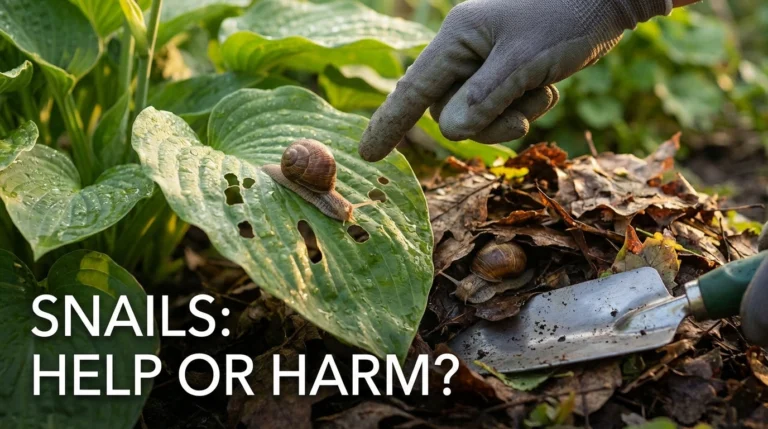
- Slug Barrier: Create a barrier around your plants to deter slugs, which dislike crawling over the rough texture.
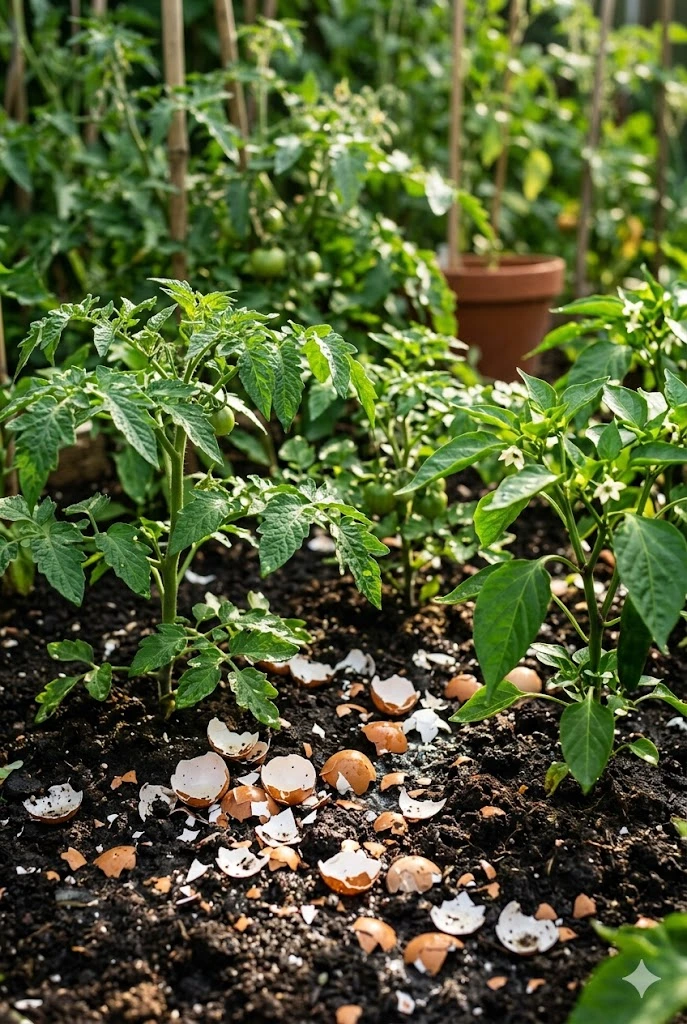
2. Eggshells: Nature’s Calcium Boost
Those discarded eggshells can do wonders for your garden! They are rich in calcium, which is vital for plant health.
Using Eggshells in Your Garden:
- Fertilizer: Crush eggshells and mix them into the soil to prevent blossom end rot in tomatoes and peppers.
- Seed Starters: Use halves as natural seedling pots—just plant the seed directly into the shell!
- Pest Deterrent: Scatter crushed shells around your plants to deter snails and slugs.
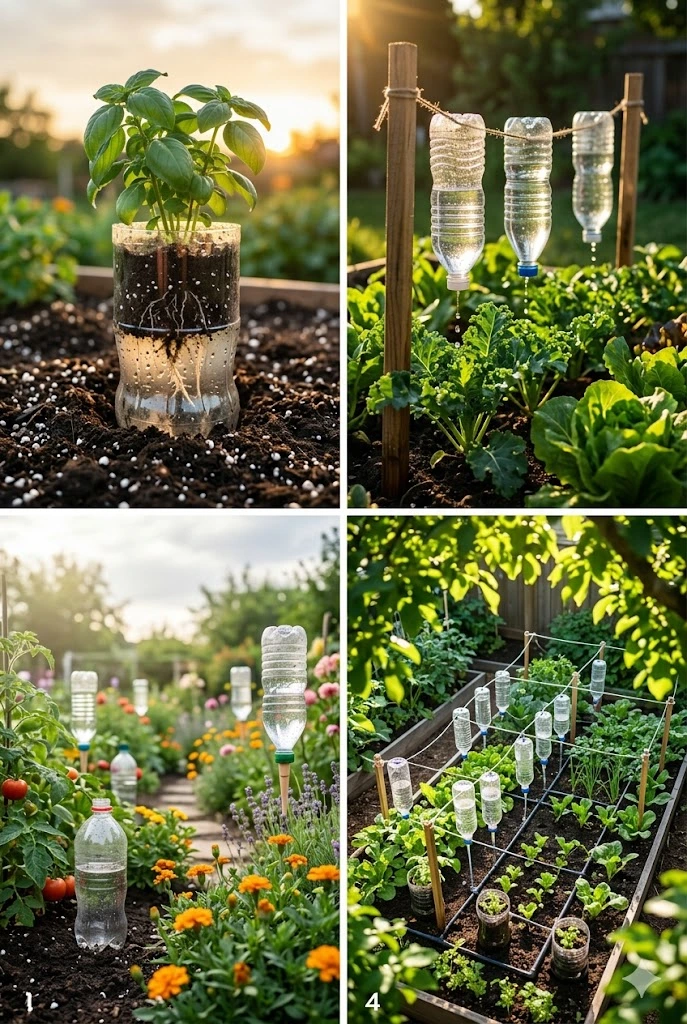
3. Plastic Bottles: Versatile Watering Solutions
Old plastic bottles can be repurposed into efficient watering systems for your garden.
DIY Watering Hacks:
- Self-Watering Planter: Cut the bottom off a bottle, fill it with water, and bury it neck-down in the soil to provide slow irrigation.
- Drip Irrigation: Puncture holes in the cap of a bottle filled with water to create a simple drip irrigation system.
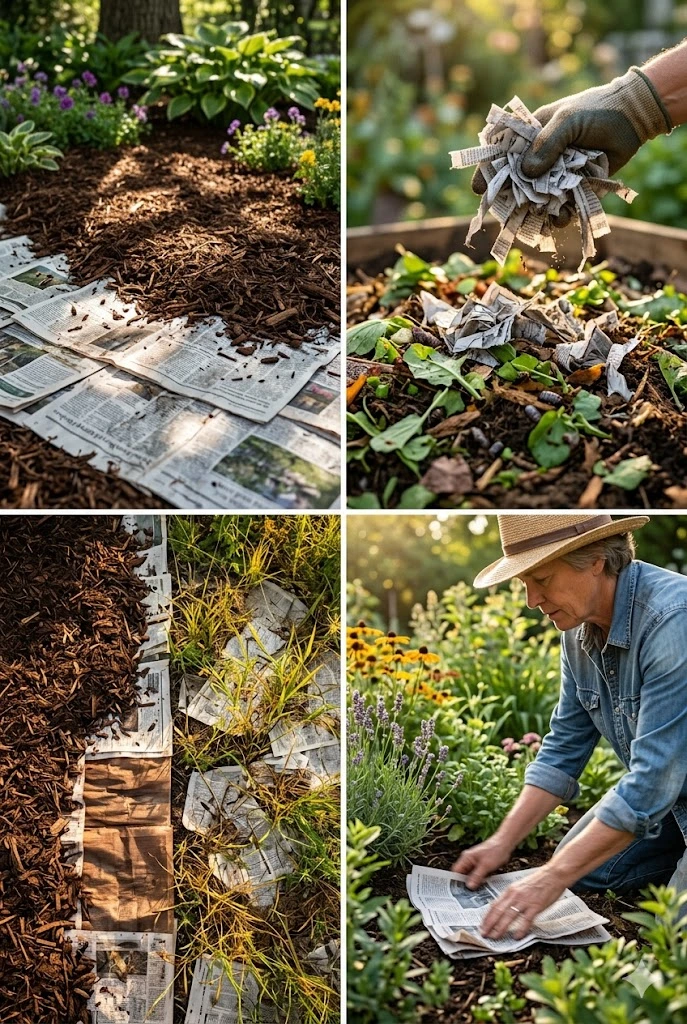
4. Newspaper: A Natural Weed Barrier
Newspapers are an eco-friendly tool for suppressing weeds and retaining moisture in your garden beds.
How to Use Newspaper:
- Weed Suppression: Lay down a thick layer of wet newspapers in garden beds and cover with mulch to block sunlight.
- Compost Material: Shred and add to your compost pile for carbon content.
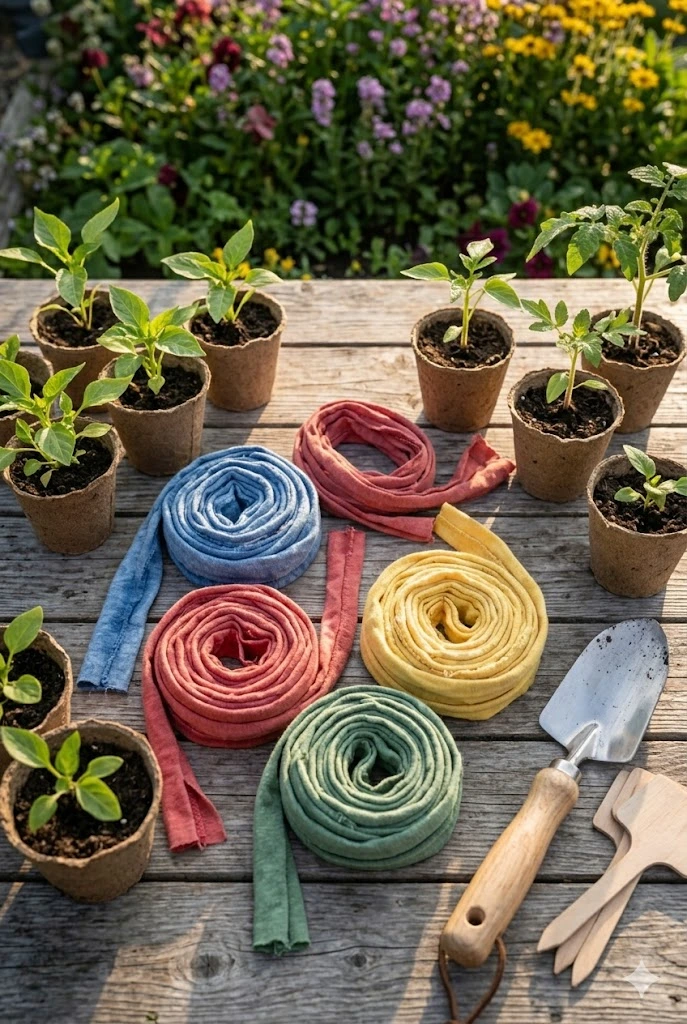
5. Old T-Shirts: Upcycled Garden Gear
Before tossing out that old T-shirt, consider its potential in your garden.
Creative Uses for T-Shirts:
- Plant Ties: Cut into strips to create soft ties for supporting plants.
- Weed Control: Use as a lightweight cover for delicate seedlings during frosts.
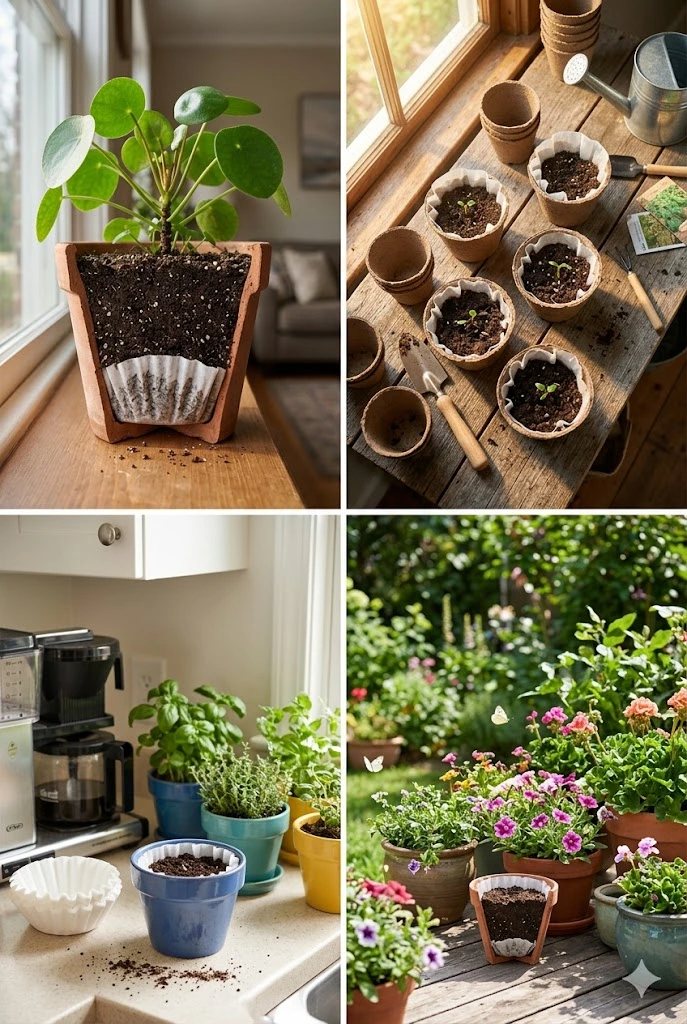
6. Coffee Filters: Soil Protectors
These little paper wonders do more than brew your morning cup; they can also help your plants!
Using Coffee Filters:
- Drainage Layer: Place coffee filters at the bottom of pots to prevent soil from escaping while allowing water to drain.
- Seed Starters: Use filters to hold seeds and soil in biodegradable seed starters.
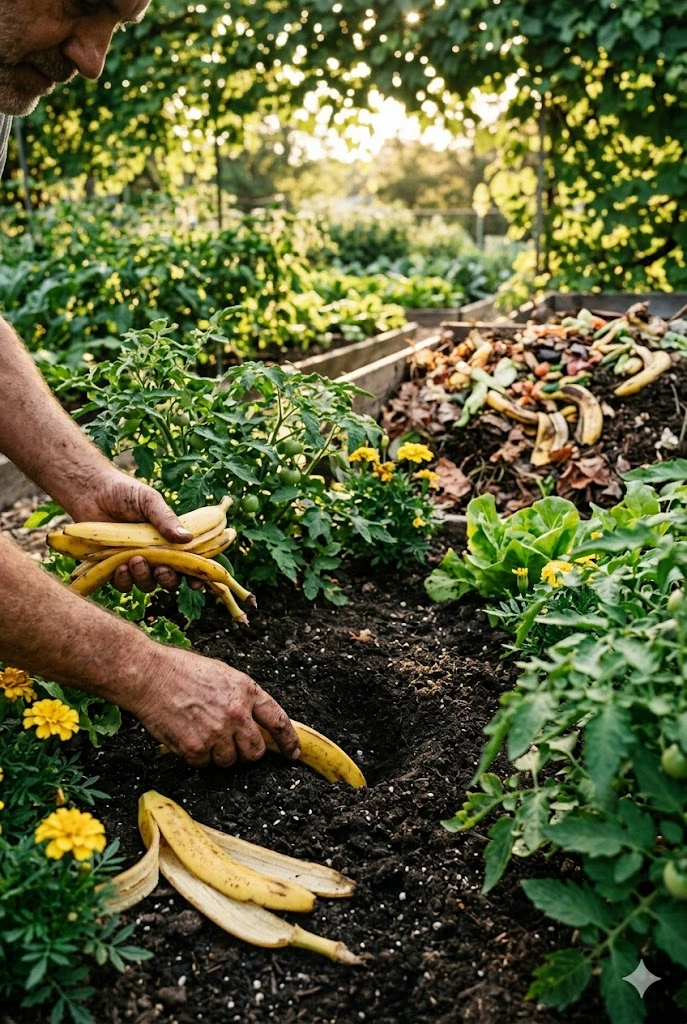
7. Banana Peels: A Potassium Powerhouse
Don’t toss those banana peels! They’re a valuable addition to your garden.
Benefits of Banana Peels:
- Fertilizer: Bury peels in the soil to provide potassium and phosphorous for healthy plant growth.
- Compost Boost: Add to your compost pile to enrich it with vital nutrients.
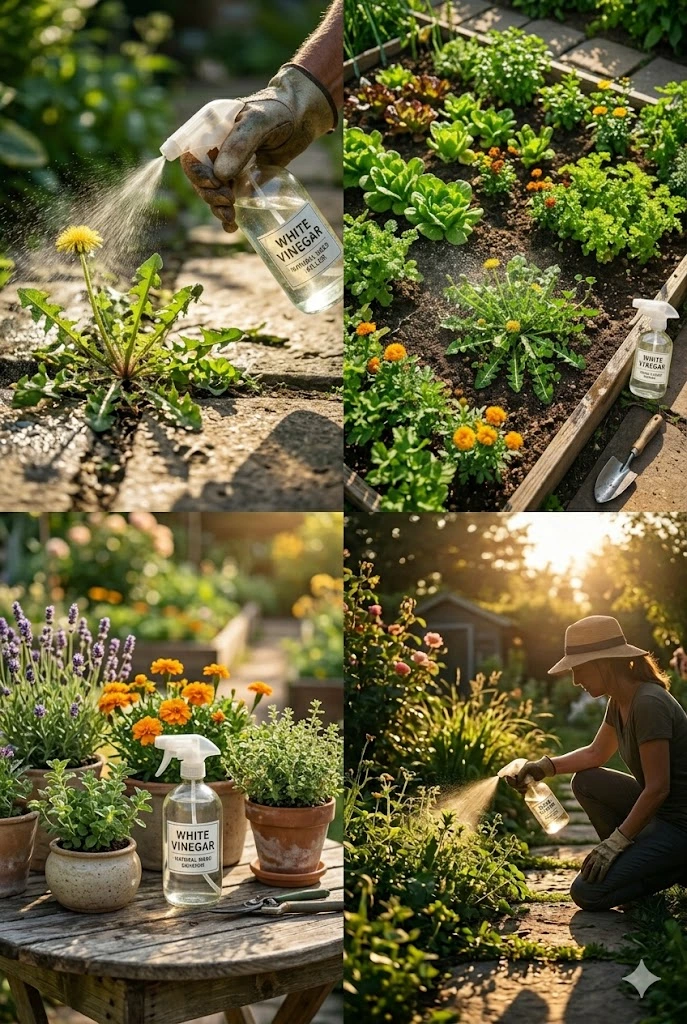
8. Vinegar: A Natural Herbicide
White vinegar is a versatile item that can help manage weeds without harsh chemicals.
How to Use Vinegar:
- Weed Killer: Spray undiluted vinegar directly onto unwanted weeds to kill them off.
- Soil Acidifier: Use diluted vinegar to lower the pH of the soil for acid-loving plants.
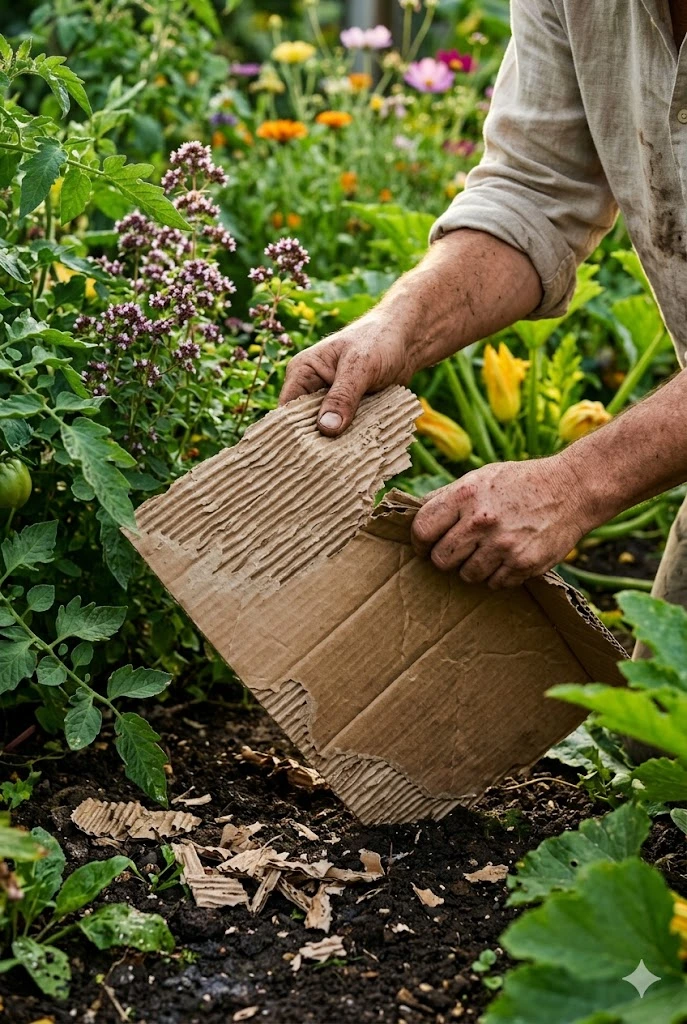
9. Cardboard: Eco-Friendly Mulch
Cardboard can be a gardener’s best friend when it comes to weed prevention and soil enrichment.
Using Cardboard Effectively:
- Weed Barrier: Place sheets of cardboard on garden beds to block weeds and smother grass.
- Composting: Tear up cardboard and add it to compost as a carbon source.
10. Wine Corks: Unique Planters
Instead of throwing away those wine corks, consider their potential in your garden.
Creative Cork Uses:
- Mini Planters: Hollow out corks and use them as small planters for tiny succulents.
- Garden Markers: Write plant names on corks and attach them to sticks for fun plant markers.
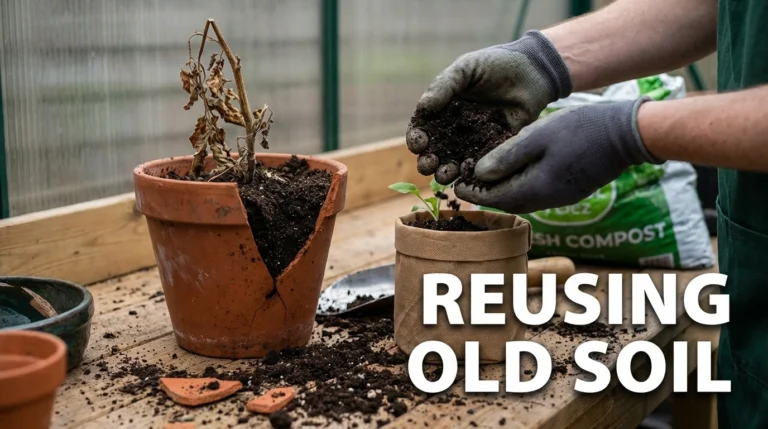
11. Old Pots and Containers: Reimagined
Don’t let old pots sit idle; give them a new purpose in your garden.
Creative Container Ideas:
- Vertical Gardens: Stack pots to create a vertical garden display.
- Herb Garden: Use mismatched containers to create a charming herb garden on your patio.
12. Used Dryer Sheets: Pest Deterrents
Those dryer sheets have more uses than just softening your clothes!
How to Use Dryer Sheets:
- Pest Control: Place used dryer sheets in your garden to repel insects like mosquitoes.
- Odor Absorbers: Use them in compost piles to help manage odors.
13. Soda Cans: Functional Garden Fixtures
Empty soda cans can add some flair and functionality to your garden.
Creative Uses for Soda Cans:
- Wind Chimes: Create whimsical wind chimes by cutting and hanging cans.
- Garden Edging: Bury cans halfway in the ground to create unique garden borders.
14. Plastic Grocery Bags: Garden Helpers
Before tossing those plastic bags, consider how they can assist in your gardening efforts.
Ways to Use Plastic Bags:
- Plant Covers: Use to protect plants from frost by draping over them.
- Weed Barrier: Lay down bags to suppress weeds under mulch or soil.
15. Old Window Screens: DIY Garden Protection
Repurpose those old window screens to protect your plants from pests.
How to Use Window Screens:
- Pest Barrier: Create protective covers for your plants to keep pests at bay.
- Seed Starter Trays: Use screens as drainage for seed starting trays.
Expert Tips for Creating a Budget-Friendly Garden
As you embark on your gardening journey, consider these expert tips for maximizing your budget:
- Plan Your Garden Layout: Sketch out your garden plans to avoid impulsive purchases and ensure efficient use of space.
- Join a Local Gardening Group: Exchange seeds and plants with others to expand your garden without spending money.
- Use Natural Pest Control: Embrace companion planting and natural deterrents to minimize chemical use.
Common Questions (FAQ)
1. Can I really use coffee grounds in my garden?
Absolutely! Coffee grounds enrich the soil with nitrogen and can help with pest control.
2. How do I prevent pests naturally?
Utilize natural repellents like vinegar, coffee grounds, and even planting certain herbs that deter pests.
3. What are some easy plants to grow for beginners?
Start with herbs like basil and mint, or easy vegetables like radishes and lettuce.
4. How can I improve my soil without buying expensive amendments?
Incorporate kitchen scraps like eggshells, coffee grounds, and compost to enrich your soil naturally.
5. What should I do with my old gardening tools?
Consider repurposing them as garden art or donating them to local community gardening programs.
Conclusion
With these 15+ budget-friendly gardening hacks, you can transform your garden using everyday items that would otherwise be discarded. Each hack not only enhances your garden but also encourages sustainable practices. Embrace your creativity, and don’t hesitate to experiment with these ideas. Your garden will flourish, and your wallet will thank you!