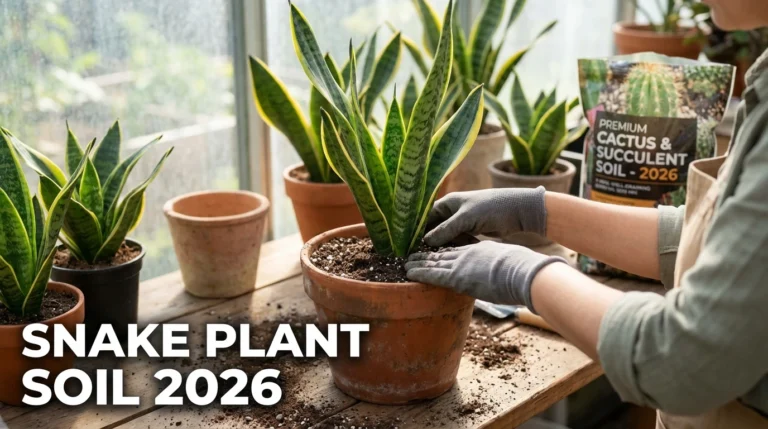
Are you a proud owner of a snake plant, or are you considering bringing one into your home? These resilient, striking plants are known for their unique foliage and air-purifying abilities, but one question often arises: how much light do snake plants actually need? Understanding their light requirements is crucial for keeping these hardy plants healthy and thriving. Let’s delve into the specifics of light conditions for snake plants, ensuring your green companion flourishes in your home.
Quick Answer
Snake plants thrive in a variety of light conditions, ranging from low light to bright indirect light. Ideally, they prefer bright, indirect sunlight but can tolerate lower light levels. However, too much direct sunlight may scorch their leaves, while insufficient light can hinder their growth.
Understanding Snake Plant Light Needs
Snake plants, or Sansevieria, are among the most adaptable houseplants. Their ability to survive in diverse light conditions makes them perfect for beginners and busy plant lovers alike. Let’s break down their light preferences and needs.
Light Tolerance Levels
- Low Light: Snake plants can survive in low light areas, such as rooms with minimal natural light. They may grow slower in these conditions.
- Medium Light: These plants thrive best in medium light, where they receive some indirect sunlight. This is where they show the most growth.
- Bright Indirect Light: Snake plants can handle bright, indirect light, which encourages robust growth and vibrant leaves.
- Direct Sunlight: While they can tolerate short periods of direct sunlight, prolonged exposure can lead to leaf burn and damage.
Factors Affecting Light Requirements
The optimal light conditions for snake plants can vary based on several factors. Understanding these can help you adjust your care routine accordingly.
Plant Size and Variety
The size and variety of your snake plant can influence its light needs. Taller varieties may require more light than smaller ones. For example, the Sansevieria trifasciata (the most common type) prefers bright indirect light, while other hybrids may be more adaptable.
Seasonal Changes
As the seasons change, so do the light levels in your home. During the winter months, natural light may be less intense. It’s essential to monitor your snake plant’s health and adjust its position accordingly, ensuring it receives adequate light throughout the year.
Indoor vs. Outdoor Conditions
If you decide to place your snake plant outdoors, be cautious of direct sunlight. While they can enjoy some outdoor time, it’s crucial to acclimate them gradually to prevent shock.
Signs Your Snake Plant Needs More or Less Light
Being attentive to your plant’s signals is key to maintaining its health. Here are some signs to look for that indicate whether your snake plant needs more or less light:
Signs of Insufficient Light
- Stunted Growth: If your snake plant isn’t growing or producing new leaves, it might not be receiving enough light.
- Leggy Appearance: Long, stretched-out leaves are a sign your plant is reaching for light.
- Yellowing Leaves: If leaves start to yellow, it may indicate that your plant is struggling in low light conditions.
Signs of Excessive Light
- Leaf Burn: Scorched, brown tips on the leaves indicate too much direct sunlight.
- Faded Colors: Leaves that lose their vibrant green color may be receiving too much light.
- Droopy Leaves: Leaves may become limp and droopy if the plant is stressed from excess light.
How to Position Your Snake Plant for Optimal Light
Finding the right spot for your snake plant can make all the difference in its health and growth. Here are some tips on positioning:
Choosing the Right Location
- Near a Window: A spot near a window that receives filtered light is ideal. Avoid placing it in direct sunlight.
- Avoid Dark Corners: While snake plants tolerate low light, dark corners will stunt their growth. Aim for a brighter location.
- Rotate Regularly: To ensure even growth, rotate your plant occasionally to expose all sides to light.
Using Artificial Light
If natural light is scarce in your home, consider using artificial grow lights. LED or fluorescent grow lights can effectively supplement your snake plant’s light needs. Position the light about 12-24 inches above the plant, and keep it on for about 10-12 hours a day for optimal results.
Care Tips for Healthy Snake Plants
Alongside proper lighting, several other care tips can help your snake plant thrive:
Watering Requirements
- Let Soil Dry: Snake plants prefer their soil to dry out completely between waterings. Overwatering can lead to root rot.
- Seasonal Adjustments: In winter, reduce watering frequency, as the plant enters a dormant phase.
Temperature and Humidity
Snake plants prefer temperatures between 60°F to 80°F (15°C to 27°C). They can tolerate lower humidity levels, making them suitable for indoor environments. However, avoid placing them near drafts or extreme temperature fluctuations.
Fertilization
- Use Diluted Fertilizer: Fertilize your snake plant during the growing season (spring and summer) with a diluted, balanced fertilizer.
- Frequency: Fertilizing once a month is generally sufficient. Avoid fertilizing in fall and winter when growth slows down.
Ideas for Styling Your Snake Plant
Incorporating snake plants into your home decor can enhance any space. Here are some visually appealing ideas:
- Corner Statement: Place a tall snake plant in a decorative pot in the corner of your living room for a striking focal point.
- Desk Companion: A small snake plant on your desk brings a touch of greenery and purifies the air while you work.
- Bathroom Beauty: Snake plants thrive in humid environments, making them perfect for adding life to your bathroom.
- Mixed Plant Arrangement: Pair snake plants with other houseplants in varying heights for a dynamic display.
Expert Tips for Snake Plant Care
Here are some insider tips to ensure your snake plant stays in top shape:
- Choose the Right Pot: Ensure your pot has drainage holes to prevent excess moisture from building up.
- Inspect Regularly: Keep an eye out for pests like spider mites or mealybugs, which can harm your plant.
- Propagation: Snake plants can be easily propagated by leaf cuttings or division, allowing you to expand your collection.
Common Questions About Snake Plant Light Needs
1. Can snake plants survive in complete darkness?
No, while snake plants are hardy and can thrive in low light, they cannot survive in complete darkness. They require at least some indirect light to sustain their growth.
2. How often should I move my snake plant to different light conditions?
It’s best to move your snake plant gradually. If you notice signs of stress or poor growth, consider relocating it. Make changes slowly to avoid shocking the plant.
3. What should I do if my snake plant is getting too much light?
If you suspect your snake plant is getting too much light, move it to a shadier spot or use curtains to filter the light. Monitor it closely for signs of recovery.
4. Can I place my snake plant outside during summer?
Yes, snake plants can enjoy some time outside during summer, but ensure they are gradually acclimated to avoid sunburn. Place them in a shaded area initially.
5. How do I know if my snake plant is healthy?
A healthy snake plant will have firm, upright leaves without discoloration or spots. It should also produce new growth periodically.
Conclusion
Understanding the light needs of snake plants is essential for their health and longevity. By providing the right light conditions, along with proper care, you can enjoy a thriving snake plant that enhances your home’s beauty. Remember to observe your plant’s responses and make adjustments as needed. Happy gardening!