Dolphin succulents, also known as the String of Dolphins (Senecio peregrinus), have taken the plant world by storm with their unique, playful appearance that resembles a pod of dolphins leaping through the ocean. These charming plants not only beautify your space but also require relatively low maintenance, making them perfect for both new and seasoned gardeners. However, to ensure your dolphin succulents thrive and flourish, it’s essential to understand their specific care needs and growing conditions. Here, you’ll discover 10 expert tips to help you grow and care for your String of Dolphins effectively.
Quick Answer
To grow and care for String of Dolphins, ensure they receive bright, indirect sunlight, well-draining soil, and infrequent watering. Regular pruning, pest monitoring, and optimal humidity levels will help keep your dolphin succulents healthy and thriving.
1. Understanding Your Dolphin Succulent
Before diving into care tips, it’s important to understand what makes the String of Dolphins unique. This succulent belongs to the Asteraceae family, and its trailing stems can grow up to 3 feet long, adorned with small, dolphin-shaped leaves that can grow up to an inch long. They are native to South Africa, thriving in environments that mimic their natural habitat.
Why Choose Dolphin Succulents?
- Unique Appearance: Their dolphin-shaped leaves are a conversation starter.
- Easy to Care For: They are low-maintenance compared to other houseplants.
- Air Purifying: Like many succulents, they help improve indoor air quality.
2. Ideal Growing Conditions
Creating the right environment for your dolphin succulents is crucial for their growth. Here are the key factors to consider:
Light Requirements
Dolphin succulents thrive in bright, indirect sunlight. Too much direct sunlight can scorch their leaves, while too little light can cause them to become leggy. A south or east-facing window is ideal.
Soil Type
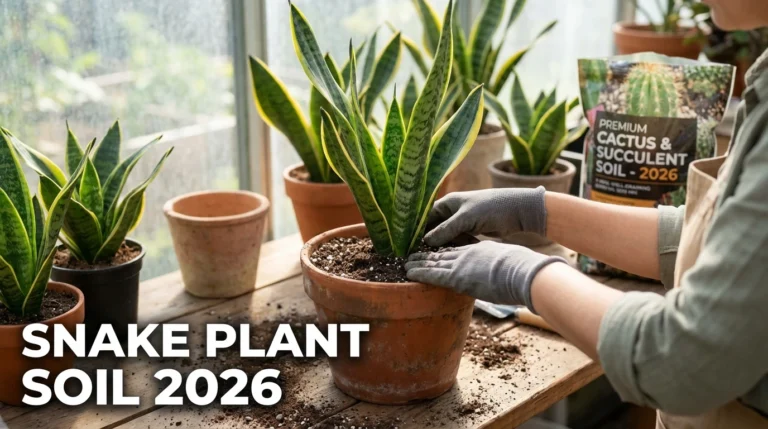
These plants prefer well-draining soil to avoid root rot. A cactus or succulent potting mix works well. You can also create your own mix by combining potting soil with sand or perlite to enhance drainage.
Temperature and Humidity
String of Dolphins prefer moderate temperatures, ideally between 65°F and 80°F (18°C – 27°C). They are not frost-tolerant, so avoid exposing them to temperatures below 50°F (10°C). As for humidity, they thrive in low to moderate levels, making them perfect for most indoor environments.
3. Watering Your Dolphin Succulents
Overwatering is one of the most common mistakes made with succulents. String of Dolphins requires a specific watering routine:
Watering Schedule
Allow the top 2 inches of soil to dry out completely before watering again. This usually means watering every 2-3 weeks during the growing season (spring and summer) and reducing frequency in the fall and winter.
Signs of Overwatering
- Yellowing leaves
- Soft, mushy stems
- Foul odor coming from the soil
Signs of Underwatering
- Wrinkled, shriveled leaves
- Leaves dropping off
4. Fertilizing Your Dolphin Succulents
While dolphin succulents don’t require heavy feeding, a little fertilizer can promote healthy growth.
Best Fertilizers
Use a diluted, balanced fertilizer formulated for succulents or cacti during the growing season. Apply it every 4-6 weeks, but avoid fertilizing in the winter.
How to Apply Fertilizer
Mix the fertilizer with water as directed on the package and water your succulent as you normally would. Always water the soil before applying fertilizer to prevent root burn.
5. Pruning and Propagation
Regular pruning can help maintain the shape and health of your dolphin succulents.
When to Prune
Prune in the spring when the plant is actively growing. Remove any dead or damaged leaves and trim back any leggy growth to encourage fuller growth.
Propagation Techniques
String of Dolphins can be easily propagated through stem cuttings:
- Use clean, sharp scissors to cut a healthy stem just below a leaf node.
- Let the cutting dry out for a day to form a callus.
- Plant the cutting in well-draining soil and water sparingly until roots develop.
6. Common Pests and Diseases
Like any plant, dolphin succulents can be susceptible to pests and diseases.
Common Pests
- Mealybugs: White cotton-like masses on leaves. Treat with insecticidal soap.
- Spider Mites: Tiny webbing on plants. Increase humidity and use neem oil.
Diseases to Watch For
Root rot is the most common disease, usually caused by overwatering. If you notice wilting or mushy stems, check the roots and cut away any rotten sections, then repot the plant in fresh soil.
7. Potting and Repotting
Choosing the right pot and knowing when to repot is essential for your dolphin succulents.
Choosing the Right Pot
Use a pot with drainage holes to prevent water from accumulating at the bottom. Terracotta pots are excellent as they allow the soil to breathe.
When to Repot
Repot every 2-3 years or when the plant outgrows its pot. Spring is the best time to repot, as it allows the plant to adjust more easily to its new environment.
8. Troubleshooting Common Issues
Even with the best care, issues may arise. Here are some tips to troubleshoot common problems:
Leggy Growth
This often indicates insufficient light. Move your plant closer to a light source to encourage denser growth.
Leaf Drop
Leaf drop can occur from underwatering or overwatering. Assess your watering routine and adjust accordingly.
Discoloration
Yellow leaves typically indicate overwatering, while brown, crispy leaves suggest underwatering. Adjust your watering practices as needed.
9. Creative Display Ideas for Dolphin Succulents
Showcasing your dolphin succulents can enhance your home decor. Here are some creative display ideas:
Hanging Planters
String of Dolphins looks stunning in hanging planters, allowing their trailing stems to cascade down.
Terrariums
Combine them with other succulents in a glass terrarium for a visually appealing arrangement.
Table Centerpieces
Use a decorative pot and place it as a centerpiece on your dining or coffee table.
10. Seasonal Care Tips
Adapting your care routine according to the seasons can significantly benefit your dolphin succulents.
Spring and Summer Care
Increase watering frequency as the plant actively grows. Ensure they receive ample sunlight and consider fertilizing.
Fall and Winter Care
Reduce watering and stop fertilizing. Ensure they are kept in a warm area, away from cold drafts.
Expert Tips for Thriving Dolphin Succulents
Here are some insider tips to keep your dolphin succulents in top condition:
- Rotate Your Plant: Rotate your succulent every few weeks to ensure even light exposure.
- Monitor Soil Moisture: Use a moisture meter to avoid over or underwatering.
- Keep Leaves Clean: Dust can accumulate on leaves, so gently wipe them with a damp cloth to keep them healthy.
Common Questions About Dolphin Succulents
How fast do dolphin succulents grow?
Dolphin succulents can grow quite rapidly under optimal conditions, often reaching several feet in length within a year.
Are dolphin succulents toxic to pets?
Yes, dolphin succulents are considered mildly toxic to pets if ingested. Keep them out of reach of curious animals.
Can I grow dolphin succulents indoors?
Absolutely! They thrive indoors as long as they receive enough bright, indirect sunlight.
Conclusion
With their captivating appearance and manageable care requirements, dolphin succulents can be a delightful addition to your plant collection. By following these expert tips on growing and caring for your String of Dolphins, you’ll create a thriving environment that showcases their unique beauty. Remember to be patient, observe your plant’s needs, and enjoy the rewarding experience of nurturing these charming succulents!