Understanding fertilizer labels can feel like deciphering a secret code, especially when you come across formulations like 20-20-20. If you’ve ever wondered what those numbers mean and how they affect your gardening efforts, you’re not alone. This versatile fertilizer is a favorite among gardeners for its balanced nutrient profile. Let’s dive into what 20-20-20 fertilizer means, how to use it effectively, and the benefits it can bring to your garden.
What is 20-20-20 Fertilizer?
20-20-20 fertilizer is a balanced, all-purpose fertilizer that contains equal parts of nitrogen (N), phosphorus (P), and potassium (K), with each nutrient represented by the same number: 20. This means that for every 100 pounds of fertilizer, you get 20 pounds of each nutrient. This balanced formula makes it suitable for a variety of plants, from vegetables to flowers.
The Importance of N-P-K Ratios
The N-P-K ratio is crucial for understanding how a fertilizer can affect plant growth. Each component plays a specific role:
- Nitrogen (N): Essential for leafy growth and overall plant vigor.
- Phosphorus (P): Important for root development and flowering.
- Potassium (K): Helps with disease resistance and overall plant health.
Benefits of Using 20-20-20 Fertilizer
This fertilizer provides numerous advantages that can enhance your gardening experience:
1. Versatility
Because of its balanced nutrient profile, 20-20-20 can be used for a wide range of plants, making it a one-stop solution for many gardeners. Whether you’re growing indoor plants, vegetables, or ornamental flowers, this fertilizer can meet their nutritional needs.
2. Quick Nutrient Release
Being a water-soluble fertilizer, 20-20-20 allows for quick nutrient uptake by plants. This means you’ll see faster results compared to some slow-release fertilizers, making it ideal for plants that need immediate nourishment.
3. Promotes Healthy Growth
With balanced nutrients, 20-20-20 supports robust growth, flowering, and fruiting. It encourages plants to develop strong roots and lush foliage, which can lead to more abundant yields in vegetable gardens.
How to Use 20-20-20 Fertilizer
Applying 20-20-20 fertilizer correctly is key to reaping its benefits. Here’s a step-by-step guide:
1. Determine Your Plants’ Needs
Before applying any fertilizer, assess the specific nutritional needs of your plants. Consider soil tests and the existing nutrient levels. This will help you understand if additional nutrients are necessary.
2. Prepare the Fertilizer Solution
20-20-20 is typically used as a liquid solution. Here’s how to prepare it:
- Fill a container with water.
- Add the recommended amount of 20-20-20 fertilizer. Generally, this is about 1-2 teaspoons per gallon of water.
- Stir the solution until the fertilizer is fully dissolved.
3. Application Methods
You can apply the fertilizer solution in several ways:
- Foliar Feeding: Spray the solution directly on the leaves during the early morning or late afternoon for optimal absorption.
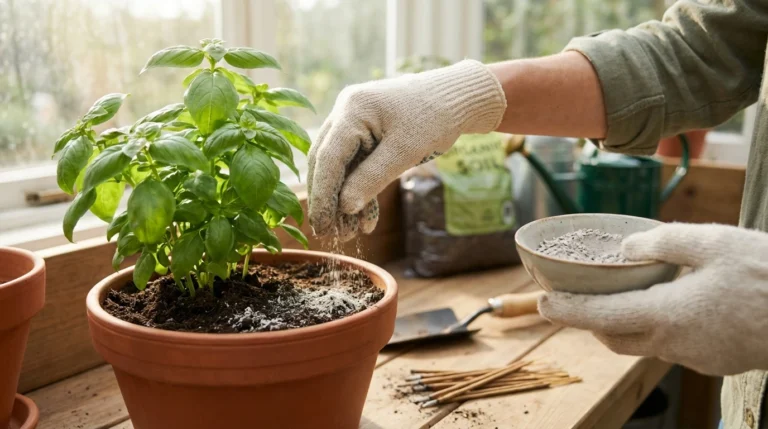
- Soil Drench: Pour the solution around the base of the plants, ensuring it reaches the root zone.
4. Frequency of Application
For most plants, applying 20-20-20 every 2-4 weeks during the growing season is effective. Monitor your plants for signs of nutrient deficiency or excess and adjust your application accordingly.
Common Mistakes to Avoid
<pEven seasoned gardeners can make errors when using fertilizers. Here are some common pitfalls to avoid:
1. Over-Fertilization
It’s tempting to think that more fertilizer equals better growth, but over-fertilizing can harm your plants. Always adhere to the recommended dosage.
2. Ignoring Watering Needs
Fertilizers need water to work effectively. Ensure your plants are well-watered before application to prevent root burn and improve nutrient uptake.
3. Application Timing
Applying fertilizer during extreme temperatures can stress plants. Aim for mild weather when using 20-20-20 for the best results.
Ideas for Using 20-20-20 Fertilizer
Looking for creative ways to incorporate 20-20-20 fertilizer into your gardening routine? Here are some inspiring ideas:
1. Vibrant Flower Beds
Use 20-20-20 to boost the color and vibrancy of your flower beds, leading to stunning blooms throughout the season.
2. Lush Vegetable Gardens
Apply this balanced fertilizer to your vegetable plants to promote healthy foliage and plentiful harvests.
3. Indoor Plant Care
Keep your houseplants thriving by using 20-20-20 in your regular watering schedule for lush, green growth.
4. Container Gardening
Enhance the growth of container plants by regularly feeding them with a diluted 20-20-20 solution, ensuring they receive adequate nutrients.
Expert Tips for Maximizing Fertilizer Effectiveness
Here are some insider tips to help you get the most out of 20-20-20 fertilizer:
1. Combine with Organic Matter
Mixing 20-20-20 with compost or well-rotted manure can enhance the nutrient profile of your soil, leading to healthier plants.
2. Rotate Your Fertilizer
Consider alternating between 20-20-20 and other specialized fertilizers to address specific plant needs and prevent nutrient imbalances.
3. Monitor Plant Health
Regularly check your plants for signs of nutrient deficiency or excess, such as yellowing leaves or burnt tips, and adjust your fertilizer application accordingly.
Common Questions (FAQ)
1. Can I use 20-20-20 fertilizer on all plants?
Yes, 20-20-20 is suitable for a wide variety of plants, making it a versatile choice for both indoor and outdoor gardening.
2. How often should I apply 20-20-20 fertilizer?
Typically, every 2-4 weeks during the growing season is recommended, but always follow the specific needs of your plants.
3. Is 20-20-20 fertilizer safe for organic gardening?
20-20-20 is a synthetic fertilizer; if you’re committed to organic gardening, consider organic alternatives that provide a similar nutrient profile.
4. What should I do if my plants show signs of fertilizer burn?
Flush the soil with plenty of water to dilute the fertilizer concentration and reduce stress on your plants.
5. Can 20-20-20 fertilizer be used in hydroponics?
Yes, 20-20-20 is often used in hydroponic systems due to its solubility and balanced nutrient profile.
Conclusion
Understanding what 20-20-20 fertilizer means and how to use it can transform your gardening experience. With its balanced nutrient profile, this versatile fertilizer supports healthy growth in a variety of plants. By following best practices in application and monitoring plant health, you can create a thriving garden filled with vibrant blooms and bountiful harvests. Remember, the key to successful gardening is a blend of knowledge, observation, and a little bit of trial and error. Happy gardening!