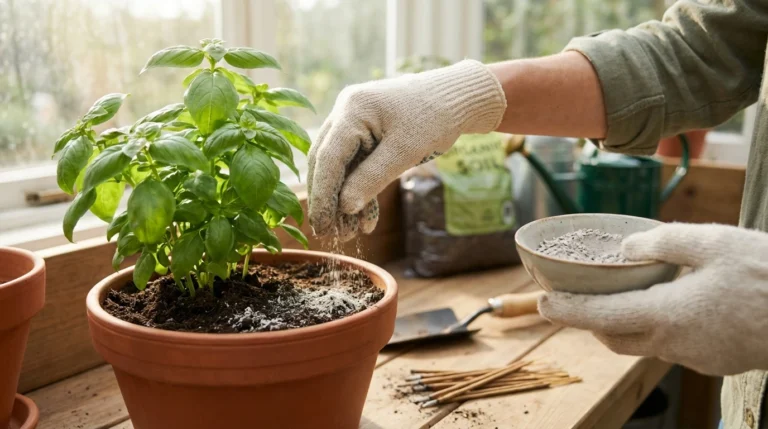
When it comes to maintaining a lush, vibrant lawn or a thriving garden, the right tools can make all the difference. Among these, a broadcast spreader is a popular choice for gardeners and homeowners alike. But can you really use a broadcast spreader for fertilizer? The answer is a resounding yes! This versatile tool can help you evenly distribute fertilizer, ensuring your plants receive the nutrients they need for optimal growth. Let’s dive deeper into how a broadcast spreader works, its benefits, and essential tips for using it effectively.
Understanding Broadcast Spreaders
Before exploring the specifics of using a broadcast spreader for fertilizer, it’s essential to understand what a broadcast spreader is and how it operates.
What is a Broadcast Spreader?
A broadcast spreader, also known as a rotary spreader, is a tool designed to distribute granular materials evenly over a large area. It features a hopper that holds the material and a rotating disk or plate that flings the material outward as you push the spreader. This design allows for quick and efficient coverage of lawns and gardens.
Types of Broadcast Spreaders
- Pushed Broadcast Spreaders: These are manually operated and are ideal for smaller areas. You control the spread pattern by walking at a consistent speed.
- Tow-Behind Broadcast Spreaders: These attach to a lawn tractor or ATV, making them suitable for larger areas. They cover more ground quickly and are perfect for expansive lawns.
- Handheld Broadcast Spreaders: Compact and easy to use, these are great for small patches or garden beds, allowing for precise application in tight spaces.
Can You Use a Broadcast Spreader for Fertilizer?
Absolutely! A broadcast spreader is an excellent tool for applying fertilizer. It ensures an even distribution across your lawn or garden, which is crucial for the health of your plants. Uneven fertilizer application can lead to patches of over-fertilization, leading to burning, or under-fertilization, resulting in poor growth.
Benefits of Using a Broadcast Spreader for Fertilizer
Utilizing a broadcast spreader for fertilizer offers several benefits:
- Efficiency: Covering large areas quickly saves you time, allowing you to focus on other gardening tasks.
- Even Distribution: The design of a broadcast spreader helps ensure that fertilizer is spread uniformly, reducing the risk of damage to plants.
- Versatility: Besides fertilizer, you can use a broadcast spreader for seed, lime, and even herbicides, making it a multi-functional tool.
How to Use a Broadcast Spreader for Fertilizer
Using a broadcast spreader for fertilizer is straightforward, but following the right steps can help you achieve the best results. Here’s a step-by-step guide:
Step 1: Choose the Right Fertilizer
Select a granular fertilizer suitable for your plants. Check the N-P-K ratio (Nitrogen, Phosphorus, Potassium) and ensure it meets your garden’s needs. Organic options are also available if you prefer to avoid synthetic fertilizers.
Step 2: Calibrate Your Spreader
Calibration is crucial for ensuring the correct amount of fertilizer is applied. Follow these steps:
- Check the manufacturer’s instructions for recommended settings based on the fertilizer type.
- Fill the hopper with fertilizer and adjust the spreader settings accordingly.
- Conduct a test run on a small area to ensure you’re achieving the desired spread rate.
Step 3: Prepare the Area
Before application, prepare your lawn or garden:
- Mow the lawn to a suitable height.
- Clear away any debris, such as leaves and sticks.
- Water the area lightly if the soil is extremely dry; this helps prevent fertilizer burn.
Step 4: Apply the Fertilizer
Now it’s time to spread the fertilizer:
- Begin at one corner of your lawn or garden. Walk at a steady pace to ensure even distribution.
- Overlap your passes slightly to avoid missed spots.
- Keep the spreader moving to prevent clumping in one area.
Step 5: Clean Up
After applying fertilizer, clean your spreader thoroughly. This prevents corrosion and clogs, ensuring it’s ready for future use. Store it in a dry place to prolong its lifespan.
Common Mistakes to Avoid
While using a broadcast spreader may seem simple, several common mistakes can hinder your results. Here are some pitfalls to avoid:
- Neglecting Calibration: Failing to calibrate your spreader can lead to over or under-fertilization. Always calibrate before use!
- Applying on Wet Soil: Fertilizer can clump and stick to wet soil, leading to uneven distribution. Ensure the ground is dry before application.
- Ignoring Weather Conditions: Avoid applying fertilizer before heavy rain, as it can wash away nutrients.
Expert Tips for Optimal Use
To maximize the effectiveness of your broadcast spreader, consider these expert tips:
- Use the Right Speed: Walking too fast can result in uneven distribution. Aim for a steady pace that matches the spreader’s design.
- Adjust the Spread Pattern: Some spreaders allow you to adjust the width of the spread pattern. Experiment to find the best setting for your yard size.
- Fertilizer Types Matter: Different fertilizers have different granule sizes. Always use a spreader compatible with your chosen fertilizer type.
Ideas for Fertilizing Your Garden
Here are some creative ideas for using a broadcast spreader in your gardening routine:
- Seasonal Fertilizer Application: Create a seasonal schedule for fertilizing to keep your plants thriving all year round.
- Mix and Match: Combine different fertilizers or amendments for tailored nutrition based on your soil’s needs.
- Herbicide Application: Use your spreader to apply herbicides effectively, keeping your garden weed-free.
- DIY Fertilizer Mix: Blend your organic materials for a personalized fertilizer blend that caters to your plants’ needs.
Common Questions (FAQ)
1. Can I use a broadcast spreader for liquid fertilizer?
No, broadcast spreaders are designed for granular materials. For liquid fertilizers, a sprayer or injector system is recommended.
2. How often should I fertilize my lawn with a broadcast spreader?
It depends on the type of fertilizer used. Generally, a good rule of thumb is to fertilize every 6-8 weeks during the growing season.
3. What if I miss spots when using the spreader?
If you notice missed areas, simply go back and apply fertilizer to those spots, ensuring you maintain the same pace and spread width.
4. Can I use the same spreader for different fertilizers?
Yes, but make sure to clean the spreader thoroughly between uses to avoid cross-contamination of materials.
5. How do I know how much fertilizer to use?
Check the packaging for application rates and adjust your spreader settings accordingly to ensure proper coverage.
Conclusion
Using a broadcast spreader for fertilizer is not only possible, but it’s also an efficient way to promote healthy growth in your garden and lawn. By understanding how to use this tool effectively, you can ensure that your plants receive the nutrients they need, leading to a lush and vibrant outdoor space. With a little practice and attention to detail, you’ll become adept at using a broadcast spreader, making your gardening efforts more fruitful and enjoyable.