Using bleach as a cleaning agent is common, but what happens when it inadvertently spills into your garden or soil? This scenario can be concerning for gardeners who want to maintain healthy plants and soil. Understanding how long bleach remains in the soil is crucial for anyone who wants to ensure their gardening practices are safe and effective. The implications of bleach exposure can be significant, affecting soil health, plant growth, and even the surrounding ecosystem. Let’s dive into the details of how bleach interacts with soil and what you need to know to protect your garden.
Quick Answer
Bleach can linger in soil for several weeks to months, depending on factors like concentration, soil type, and environmental conditions. Diluted bleach breaks down faster than concentrated forms, but caution is recommended as it can harm plants and soil microorganisms.
Understanding Bleach and Its Components
Before we explore how long bleach stays in soil, it’s essential to understand what bleach is and how it works. Bleach, primarily composed of sodium hypochlorite, is a powerful disinfectant and stain remover. It’s commonly used in households for cleaning purposes. However, its active ingredient can have detrimental effects on living organisms, including soil biology.
Types of Bleach
- Sodium Hypochlorite: The most common form of bleach used in households, typically found in liquid form.
- Calcium Hypochlorite: Often used in pool maintenance and comes in a solid form.
- Hydrogen Peroxide: Sometimes mistaken for bleach, it’s less harmful but still should be used with care.
How Bleach Affects Soil
When bleach seeps into the soil, it can disrupt the delicate balance of microorganisms and nutrients essential for plant growth. The primary concern is its toxicity, which can kill beneficial bacteria and fungi that contribute to soil health.
The Breakdown of Bleach in Soil
Bleach does not remain stable in the environment. It breaks down through various processes:
- Photodegradation: Exposure to sunlight can accelerate the breakdown of bleach.
- Microbial Action: Certain microorganisms can help decompose bleach, although this may take time.
- Chemical Reactions: Bleach can react with organic matter in the soil, which may speed up its decomposition.
Factors Influencing Bleach Persistence
Several factors determine how long bleach stays in the soil:
- Concentration: Higher concentrations of bleach take longer to degrade.
- Soil Type: Sandy soils allow for quicker drainage and may reduce bleach retention, while clay soils can hold onto bleach longer.
- Moisture Levels: Wet conditions can help dilute bleach, potentially reducing its concentration and toxicity.
- Temperature: Warmer temperatures can speed up degradation processes.
Signs of Bleach Contamination
If bleach has contaminated your soil, here are some signs to watch for:
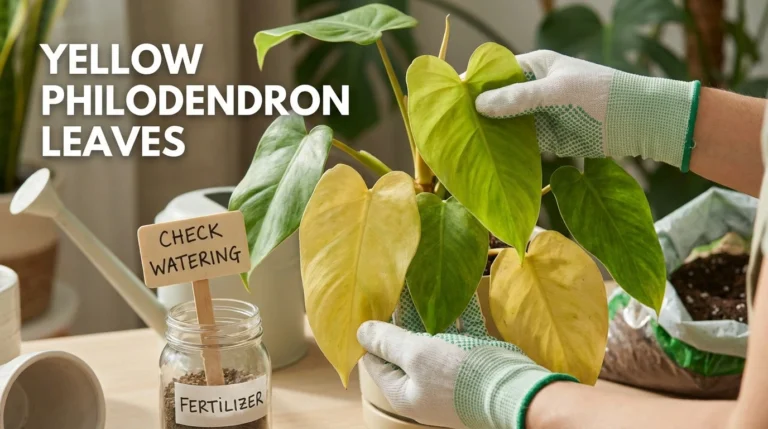
- Plant Damage: Yellowing leaves, wilting, or sudden death of plants are common indicators.
- Unpleasant Odors: A strong chemical smell may suggest the presence of bleach.
- Soil Texture Changes: Soil may appear crusty or compacted, indicating disruption to its natural state.
What to Do If Bleach Has Contaminated Your Soil
If you suspect that bleach has contaminated your garden soil, it’s essential to act swiftly to mitigate damage. Here’s a step-by-step guide:
Step 1: Assess the Situation
Evaluate the extent of the spill. Identify how much bleach may have entered the soil and the concentration level, if possible.
Step 2: Dilution
If the bleach spill is recent, water the area generously. This helps dilute the bleach, reducing its concentration and harmful effects.
Step 3: Remove Contaminated Soil
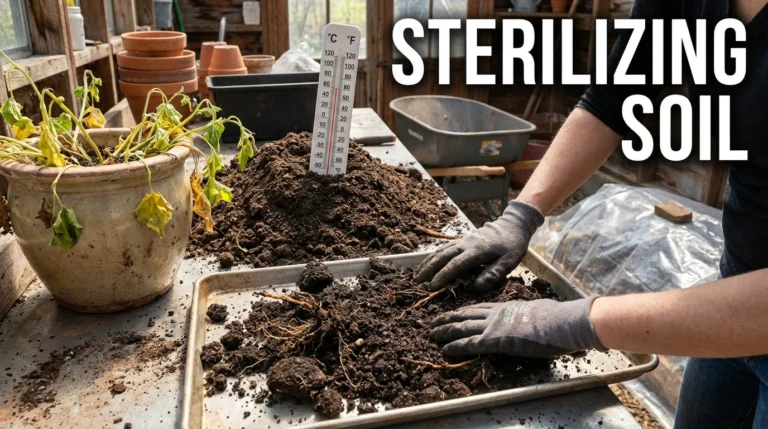
For significant spills, consider removing the top layer of contaminated soil. It’s better to dispose of this soil safely rather than risking further contamination.
Step 4: Add Organic Matter
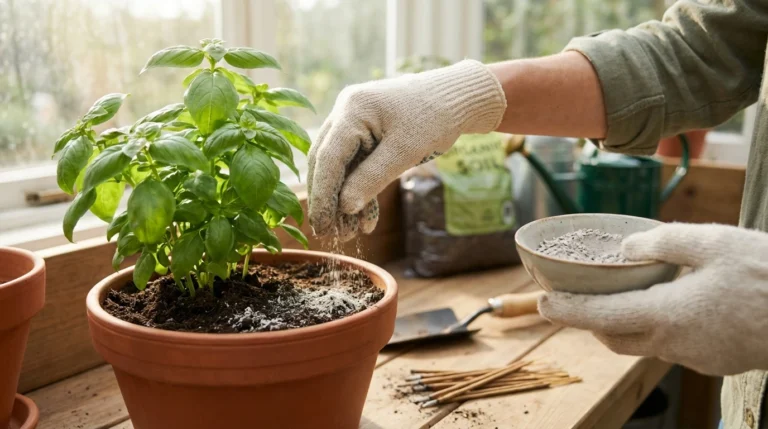
Incorporate compost or organic matter to help restore soil health. This can reintroduce beneficial microorganisms and improve soil structure.
Step 5: Monitor Plant Health
Keep an eye on your plants for signs of recovery or ongoing distress. Be prepared to take further action if necessary.
Preventing Future Incidents
Preventing bleach contamination in your garden is essential for maintaining a healthy environment. Here are some practical tips:
Proper Storage
- Store bleach in a secure location, away from your garden.
- Ensure containers are sealed tightly to prevent leaks.
Safe Usage
- Use bleach sparingly and only in designated areas away from plants.
- Consider alternative cleaning agents that are safer for the environment.
Educate Yourself
Stay informed about the products you use and their potential effects on soil and plants. Knowledge is your best defense against accidental contamination.
Ideas for Garden Care
For those who love visually appealing ideas for maintaining a garden, consider these Pinterest-style tips:
- Natural Cleaners: Create DIY natural cleaning solutions using vinegar and baking soda to avoid bleach.
- Compost Bins: Set up a compost bin to enrich your soil naturally and improve its health.
- Soil Testing Kits: Invest in soil testing kits to monitor nutrient levels and pH, ensuring a healthy garden environment.
Expert Tips for Soil Health
Here are some insider tips to enhance soil health and resilience against potential contaminants:
- Crop Rotation: Regularly change the types of plants you grow to prevent nutrient depletion and encourage microbial diversity.
- Mulching: Apply organic mulch to retain moisture, suppress weeds, and enrich the soil as it decomposes.
- Cover Crops: Use cover crops during off-seasons to improve soil structure and prevent erosion.
Common Questions About Bleach in Soil
1. Can bleach kill plants immediately?
Yes, high concentrations of bleach can kill plants quickly, leading to wilting and discoloration.
2. Is diluted bleach safe for gardening?
While diluted bleach may be less harmful, it’s still not recommended for gardening due to its potential to damage beneficial soil organisms.
3. How can I test for bleach in soil?
There are no direct tests for bleach, but signs of plant distress and soil changes can indicate contamination.
4. How long should I wait before replanting in contaminated soil?
It’s best to wait at least several months after contamination and take steps to restore soil health before replanting.
5. What are alternatives to bleach for cleaning?
Consider using vinegar, baking soda, or hydrogen peroxide as safer cleaning alternatives that are less harmful to soil.
Conclusion
Understanding the effects of bleach on soil is crucial for any gardener wanting to maintain a healthy ecosystem. While bleach can linger in the soil for weeks to months, taking immediate action can help mitigate its harmful effects. By following the tips outlined and being proactive in your gardening practices, you can protect your plants and foster a thriving garden environment. Remember, prevention is always better than cure, so choose your cleaning agents wisely to ensure a safe haven for your plants.