Worm castings are often hailed as a gardener’s secret weapon, offering a rich source of nutrients and beneficial microorganisms for plants. However, as with many things in gardening, moderation is key. Overusing worm castings can lead to issues that might surprise even the most seasoned gardeners. If you’ve been wondering whether you can go overboard with this organic fertilizer, you’re in the right place. Let’s explore the balance needed to maximize the benefits of worm castings while avoiding potential pitfalls.
Quick Answer
Yes, you can use too much worm castings, which can lead to nutrient imbalances, soil compaction, and potential plant stress. It’s essential to use them in moderation and as part of a comprehensive soil health strategy.
Understanding Worm Castings
Worm castings, also known as vermicompost, are the end product of the digestion of organic matter by earthworms. They are packed with essential nutrients, beneficial bacteria, and enzymes, making them a popular choice among organic gardeners. But what exactly makes them so beneficial?
Nutrient Content
- Nitrogen: Essential for plant growth, promoting lush foliage.
- Phosphorus: Vital for root development and flower production.
- Potassium: Helps in overall plant health and disease resistance.
- Micronutrients: Worm castings contain trace elements like calcium, magnesium, and sulfur.
Microbial Activity
The microbial life in worm castings helps improve soil structure, enhances nutrient availability, and promotes healthy root systems. This thriving ecosystem aids in breaking down organic matter, making nutrients accessible to plants.
How Much Worm Castings is Too Much?
The recommended application rate for worm castings typically ranges from 10% to 20% of the total volume of your soil mix. However, factors such as the type of plants you are growing, their nutritional needs, and the existing soil quality can influence how much you should use.
Signs of Overuse
It’s crucial to recognize the signs that you may be applying too many worm castings:
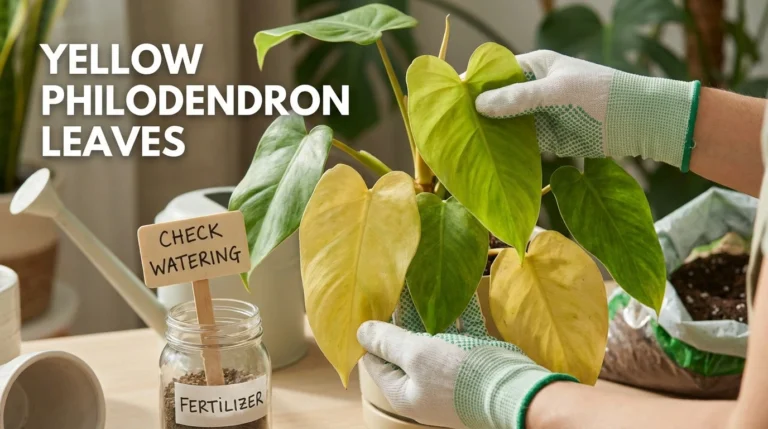
- Yellowing Leaves: Excess nitrogen can cause nutrient burn, leading to yellowing foliage.
- Wilting or Drooping Plants: Over-fertilization can stress plants, causing them to wilt.
- Soil Compaction: Too many worm castings can lead to a dense soil structure, restricting root growth.
- Pest Attraction: An overly rich soil can attract pests that thrive in nutrient-dense environments.
Optimal Application Techniques
To ensure that worm castings benefit your plants without overwhelming them, consider these application techniques:
- Mixing with Other Amendments: Combine worm castings with other organic materials like compost, peat moss, or perlite to create a balanced soil mix.
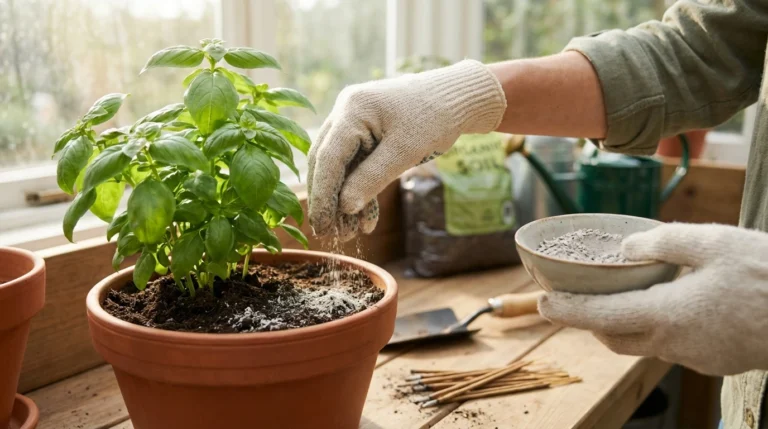
- Top Dressing: Apply a thin layer of worm castings on the soil surface around plants, allowing nutrients to seep into the soil naturally over time.
- Liquid Fertilizer: Make a worm casting tea by steeping castings in water, creating a nutrient-rich solution that can be applied directly to soil or foliage.
Common Mistakes When Using Worm Castings
Even experienced gardeners can make errors when applying worm castings. Here are some common pitfalls to avoid:
1. Ignoring Soil Testing
Before using worm castings, it’s wise to test your soil. This will help identify nutrient deficiencies or excesses, allowing you to adjust your application accordingly.
2. Overlooking Plant Needs
Different plants have varying nutrient requirements. Research your specific plants to determine their needs and avoid using a one-size-fits-all approach.
3. Relying Solely on Worm Castings
While worm castings are excellent, they should not be your only soil amendment. Diversifying your soil inputs will ensure a more balanced nutrient profile.
Ideas for Using Worm Castings
Looking to incorporate worm castings into your gardening routine creatively? Here are some Pinterest-friendly ideas:
- Worm Casting Tea: Brew a nutrient-rich tea for a quick plant boost.
- Container Gardening: Enhance potting mix with worm castings for thriving container gardens.
- Seedling Starter Mix: Use a blend of worm castings and seed-starting mix for robust seedlings.
- Compost Pile Booster: Add worm castings to your compost pile to accelerate decomposition.
- Flower Bed Enrichment: Top-dress flower beds with worm castings for vibrant blooms.
Expert Tips for Maximizing Worm Casting Benefits
To truly harness the power of worm castings, consider these expert insights:
1. Use Fresh Castings
Ensure your worm castings are fresh and fully decomposed. Fresh castings contain beneficial microorganisms that can enhance plant health.
2. Rotate Your Crops
Practice crop rotation to help maintain soil health and prevent nutrient depletion. This also reduces the risk of soil-borne diseases.
3. Combine with Natural Mulches
Pair worm castings with natural mulches like straw or wood chips to improve moisture retention and suppress weeds while providing nutrients.
Common Questions About Worm Castings
Can you use worm castings on all plants?
Generally, yes! Worm castings are suitable for most plants, but always check specific plant needs, especially for sensitive varieties.
How often should you apply worm castings?
A good rule of thumb is to apply worm castings every 4-6 weeks during the growing season, adjusting based on plant response.
Are worm castings safe for vegetable gardens?
Absolutely! Worm castings are organic and safe for vegetable gardens, providing essential nutrients without chemical residues.
What’s the best way to store worm castings?
Store worm castings in a cool, dry place, away from direct sunlight. Use breathable containers to prevent moisture buildup and maintain quality.
Can worm castings attract pests?
While worm castings themselves are unlikely to attract pests, an overabundance can create an environment conducive to pests. Use them in moderation to minimize this risk.
Conclusion
Worm castings can be a game-changer for your garden, but like any powerful tool, they require careful handling. By understanding the right application methods and recognizing the signs of overuse, you can harness their full potential without overwhelming your plants. Embrace the magic of worm castings, keep learning, and enjoy the flourishing garden you create!