Waking up to discover small holes in your lawn can be quite alarming. You may wonder whether it’s a sign of a pest invasion, a problem with your soil, or some other issue. These unsightly blemishes can affect the aesthetic of your yard and potentially harm the health of your grass. Understanding why these holes appear and how to address them is essential for maintaining a beautiful lawn. Let’s explore the common reasons behind overnight holes in your lawn and how to effectively deal with them.
Common Causes of Small Holes in Your Lawn
There are several reasons why you might find small holes in your lawn overnight. Identifying the culprit is the first step toward finding a solution. Here’s a breakdown of the most common causes:
1. Insects and Pests
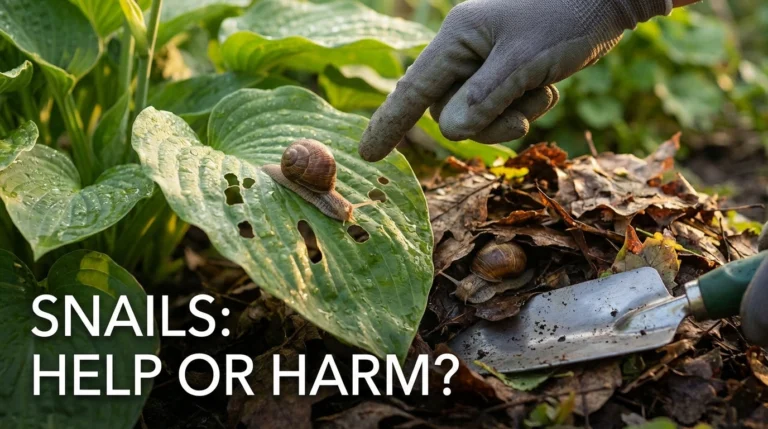
One of the leading reasons for small holes in your lawn is the activity of insects and pests. Some of the most notorious culprits include:
- Grubs: These larvae of beetles feed on grass roots, often causing small holes as they burrow into the soil.
- Ants: Ants excavate soil to create tunnels and nests, leading to small mounds and holes.
- Earthworms: While beneficial in many ways, earthworms can create small holes as they move through the soil.
To identify insect activity, look for signs such as wilting grass or visible insects around the holes.
2. Animals Digging
Wildlife can also cause holes in your lawn. Animals such as:
- Raccoons: Known for their scavenging behavior, raccoons may dig up your lawn in search of grubs or other food sources.
- Squirrels: They often dig small holes to bury nuts or seeds.
- Dogs: If you have a dog, they might dig for fun or to explore smells.
Look for paw prints or other signs of wildlife around the holes to help identify the animal.
3. Soil Erosion
Soil erosion can lead to the formation of small holes, especially in areas with poor drainage. Heavy rainfall or flooding can wash away topsoil, creating depressions and holes in your lawn. This is often seen on slopes or in areas with compacted soil.
4. Fungal Diseases
Some fungal diseases can create holes or patches in your lawn. For instance:
- Necrotic Ring Spot: This disease creates small brown patches that can resemble holes.
- Fairy Rings: These circular patterns of mushrooms can indicate a lack of nutrients, leading to holes as the grass dies off.
Inspect your lawn for discoloration or unusual growth patterns to determine if a fungal issue is present.
5. Thatch Build-Up
A thick layer of thatch, which is the accumulation of dead grass and organic material, can also cause uneven ground and depressions that look like holes. Thatch can prevent water and nutrients from reaching the soil, exacerbating lawn problems.
How to Diagnose the Problem
To effectively address the issue of small holes in your lawn, it’s important to accurately diagnose the problem. Here’s a step-by-step guide:
Step 1: Examine the Holes
Take a close look at the holes. Note their size, depth, and pattern. Are they clustered together or scattered? This can provide clues about the cause.
Step 2: Look for Signs of Insects
Check for any visible insects or signs of pest activity. If you suspect grubs, you can dig a small section of your lawn to inspect the roots for damage. Use a shovel to lift a square foot of sod and see if you can find any grubs or larvae.
Step 3: Observe Animal Activity
Monitor your lawn for signs of wildlife. You may notice tracks, droppings, or even the animals themselves. Setting up a camera can help you catch nighttime visitors in action.
Step 4: Assess Soil Health
Test the soil to determine its health. A soil test can reveal pH levels, nutrient content, and organic matter. Compacted or poorly drained soil can often lead to problems.
Step 5: Check for Fungal Issues
Inspect your grass for any discoloration, patches, or fungal growth. If you notice mushrooms or abnormal growth, this may indicate a fungal disease.
Preventing Small Holes in Your Lawn
Once you’ve identified the cause of the holes, it’s time to take action. Here are some prevention strategies you can implement to maintain a healthy lawn:
1. Pest Control
To combat pests like grubs and ants, consider:
- Natural Predators: Encourage birds and beneficial insects in your garden.
- Insecticidal Soaps: Use these to control pest populations without harming beneficial organisms.
- Neem Oil: This natural pesticide can deter many insects.
2. Wildlife Management
To keep animals from digging in your yard:
- Barriers: Install fencing or other barriers to keep larger animals out.
- Repellents: Use natural repellents like cayenne pepper or commercial products designed to deter specific animals.
3. Soil Maintenance
Improving soil health can prevent erosion and promote grass growth. Consider:
- Aeration: Aerate your lawn annually to alleviate compaction and improve drainage.
- Topdressing: Apply a thin layer of compost to enrich the soil.
4. Fungus Management
To prevent fungal diseases:
- Proper Watering: Water early in the morning to allow grass to dry out during the day.
- Good Air Circulation: Trim surrounding plants to improve airflow around your lawn.
5. Thatch Control
Manage thatch levels by:
- Regular Mowing: Keep your grass at the right height to prevent excessive thatch buildup.
- Dethatching: If thatch becomes too thick, consider dethatching your lawn.
Expert Tips for Lawn Care
Here are some insider tips to help you maintain a healthy lawn and prevent holes from appearing:
- Choose the Right Grass: Select grass types that are suited to your climate and soil conditions.
- Regular Maintenance: Implement a consistent maintenance schedule that includes mowing, watering, and fertilizing.
- Monitor Moisture Levels: Use a moisture meter to ensure your lawn is getting the right amount of water.
- Mulching: Apply mulch in garden beds to retain moisture and suppress weeds.
- Seasonal Fertilization: Fertilize your lawn based on the seasonal needs of your grass type.
Common Questions
1. Why do I see small holes in my lawn overnight?
Small holes in your lawn can be caused by various factors including insect activity, animals digging, soil erosion, or fungal diseases. Identifying the specific cause is key to addressing the issue.
2. Are small holes harmful to my lawn?
Small holes can lead to stress on your grass, especially if they result from pests or diseases. Addressing the underlying problem is essential for maintaining a healthy lawn.
3. How can I tell if grubs are present in my lawn?
Look for signs such as wilting grass, brown patches, or visible grubs when you lift a section of sod. A soil test can also confirm their presence.
4. What should I do if animals are digging in my lawn?
Consider using barriers to keep them out or natural repellents to deter them from your garden.
5. Can I prevent holes from forming in my lawn?
Yes, regular maintenance, soil health management, and pest control can help prevent holes from forming in your lawn.
Conclusion
Finding small holes in your lawn overnight can be concerning, but understanding the underlying causes allows you to take effective action. Whether it’s pest control, wildlife management, or improving soil health, addressing these issues promptly will help maintain a lush, healthy lawn. Remember, a little prevention goes a long way in keeping your yard looking its best!