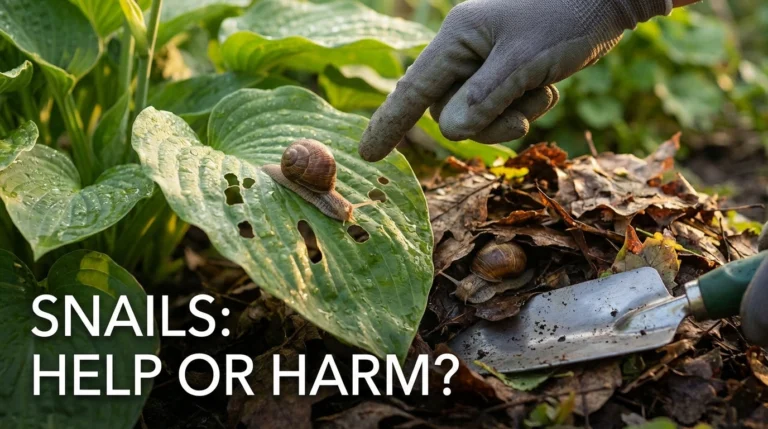
Grubs can be a gardener’s worst nightmare. These pesky larvae feed on the roots of your beloved plants and grass, leaving behind brown patches and weak, unhealthy growth. Knowing the right time to apply grub killer is essential to protect your garden and lawn. Timing is everything when it comes to effective pest control, and understanding the life cycle of grubs and the environmental conditions in your area can make all the difference. Let’s dive into the details of when to put grub killer down and how to ensure you’re doing it effectively.
Understanding Grubs and Their Lifecycle
Before we discuss when to apply grub killer, it’s crucial to understand what grubs are and how they develop. Grubs are the larval stage of various beetles, most commonly the Japanese beetle, June beetle, and masked chafer. Their lifecycle typically consists of four stages: egg, larva (grub), pupa, and adult beetle.
The Lifecycle Stages
- Egg Stage: Adult beetles lay eggs in late spring to early summer.
- Larval Stage (Grubs): Eggs hatch into grubs that begin to feed on roots, typically in late summer.
- Pupal Stage: Grubs enter the pupal stage in late summer to fall, preparing to emerge as adults.
- Adult Stage: Adult beetles emerge in late spring, continuing the cycle.
Understanding this lifecycle is vital for determining when to apply grub killer, as it targets grubs during their most vulnerable stages.
When to Put Grub Killer Down
The timing of grub killer application will depend on the lifecycle stage of the grubs, as well as the climate in your region. Here’s a detailed breakdown of when to apply grub killer effectively.
Late Spring to Early Summer
In most regions, the best time to apply preventative grub control is late spring to early summer, specifically when the adult beetles are laying eggs. This is typically between May and June, depending on your location. By applying grub killer at this time, you can prevent the eggs from hatching into larvae, thereby stopping the infestation before it starts.
Late Summer to Early Fall
If you missed the preventative window, applying grub killer in late summer to early fall can still be effective. This is when the grubs are actively feeding on roots and are most susceptible to treatments. Aim for late July through September for the best results. At this stage, grubs are larger and easier to control.
Soil Temperature Considerations
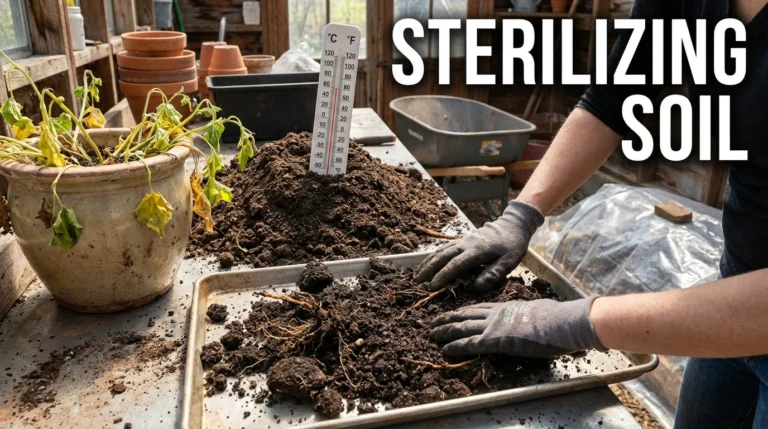
The effectiveness of grub killers often depends on soil temperature. Products containing insecticides work best when soil temperatures are consistently above 60°F (15°C). You can use a soil thermometer to check the temperature before applying any treatments.
Types of Grub Killers
There are two main types of grub killers: preventative and curative. Understanding the difference can help you choose the right product for your needs.
Preventative Grub Killers
- Insect Growth Regulators (IGRs): These products prevent eggs from hatching or larvae from maturing. They are most effective when applied before eggs hatch.
- Granular Insecticides: Products like chlorantraniliprole are effective when applied to lawns in late spring to prevent grubs from developing.
Curative Grub Killers
- Contact Insecticides: These are applied directly to the soil where grubs are feeding. They work quickly to kill active grubs.
- Systemic Insecticides: These are absorbed by the plant and kill grubs when they feed on the roots. They can be effective even after grubs are present.
Step-by-Step Guide to Applying Grub Killer
Applying grub killer can be straightforward if you follow these steps:
Step 1: Identify the Problem
Check your lawn or garden for signs of grub damage. Look for brown patches, wilting plants, or areas where the grass easily pulls up.
Step 2: Choose the Right Product
Select a grub killer based on whether you’re looking for preventative or curative treatment.
Step 3: Timing the Application
Based on your region, choose the proper timing for application. Late spring/early summer for prevention, or late summer/early fall for curative action.
Step 4: Prepare the Area
- Mow the lawn to a shorter height.
- Water the area lightly if the soil is dry to ensure the product penetrates the soil effectively.
Step 5: Apply the Grub Killer
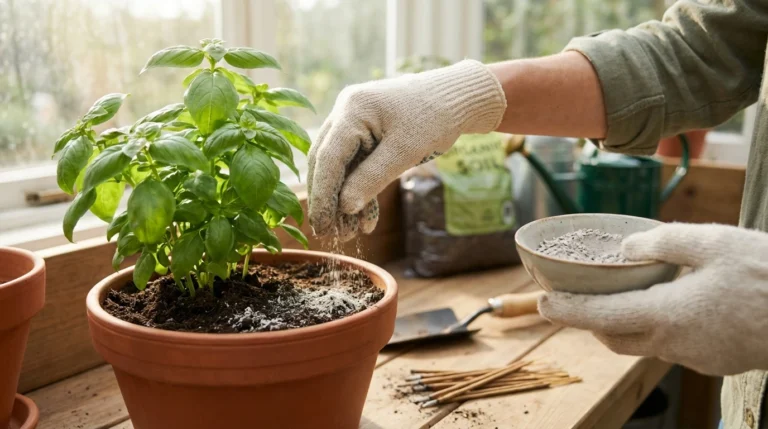
Follow the manufacturer’s instructions for application rates and methods. Granular products can be spread with a fertilizer spreader, while liquid products may need a sprayer.
Step 6: Water After Application
Lightly water the treated area after applying the grub killer to help activate the product and ensure it reaches the grubs.
Expert Tips for Effective Grub Control
- Test Your Soil: Conduct a soil test to understand its health and nutrient levels, which can affect grub development.
- Rotate Treatments: Alternate between different types of grub killers to prevent resistance.
- Keep the Lawn Healthy: A healthy lawn is less likely to suffer from grub damage; therefore, ensure proper watering and fertilization.
- Timing is Key: Be vigilant about the timing of your applications; it can make all the difference in effectiveness.
Common Questions About Grub Control
1. How do I know if I have a grub problem?
Look for brown patches, wilting grass, and areas where the lawn feels spongy. You can also dig up a small section of grass to check for grubs beneath the surface.
2. Can I apply grub killer in the fall?
Yes, applying grub killer in the fall can be effective, especially if you missed the early summer window. Ensure the grubs are still active for best results.
3. Are there organic options for controlling grubs?
Yes, natural options include nematodes, beneficial insects, and certain plant oils that deter grubs without harsh chemicals.
4. How often should I apply grub killer?
For preventative measures, typically once a year in late spring is sufficient. For curative treatments, follow the product instructions for repeat applications.
5. Can grubs damage my lawn permanently?
If left untreated, grubs can cause significant damage to your lawn, but most grass can recover if treated promptly.
Conclusion
Knowing when to put grub killer down can save your lawn from significant damage and promote a healthy, vibrant garden. By understanding the lifecycle of grubs, choosing the right products, and applying them at the right time, you can effectively manage these pests. Whether you prefer organic methods or conventional treatments, being proactive is key. Keep your lawn and garden healthy, and you’ll enjoy the beauty of your space without the worry of grubs.