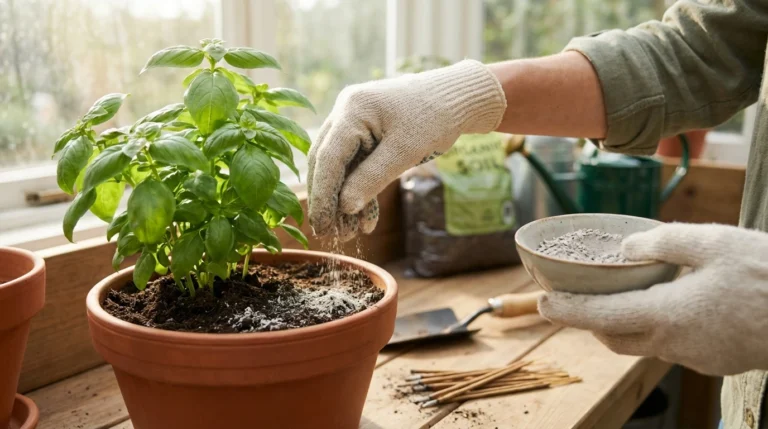
Indoor plants bring life and beauty to our homes, but they can also invite unwanted guests—bugs! If you’ve ever noticed tiny critters scuttling over your favorite fern or aphids munching on your succulent, you’re not alone. Many plant enthusiasts face the dilemma of whether indoor plants attract bugs and how to manage these pests. Let’s explore the common bugs that invade our indoor jungles, the reasons why they show up, and effective solutions to keep your plants healthy and bug-free.
Quick Answer
Yes, indoor plants can attract bugs, including aphids, spider mites, and fungus gnats. These pests are often drawn to plants due to overwatering, poor air circulation, or nutrient-rich soil. Regular monitoring and proper care can help prevent infestations.
Common Bugs That Affect Indoor Plants
Understanding what bugs might invade your indoor plants is crucial for effective management. Here are some of the most common culprits:
Aphids
- Appearance: Tiny, soft-bodied insects, usually green or black.
- Signs of Infestation: Distorted leaves, sticky residue (honeydew), and black sooty mold.
Spider Mites
- Appearance: Microscopic pests often found on the undersides of leaves.
- Signs of Infestation: Yellow stippling on leaves and fine webbing.
Fungus Gnats
- Appearance: Small, dark flies that hover around soil and plants.
- Signs of Infestation: Seeing adult flies and larvae in the soil.
Mealybugs
- Appearance: White, cotton-like clusters on leaves and stems.
- Signs of Infestation: Sticky residue and leaf drop.
Whiteflies
- Appearance: Small, white moth-like insects.
- Signs of Infestation: Yellowing leaves and a sticky residue.
Why Do Indoor Plants Attract Bugs?
Several factors can lead to bug infestations in indoor plants. Understanding these reasons can help you prevent future issues.
Overwatering
One of the most common reasons for bug problems is overwatering. Excess moisture creates a perfect breeding ground for pests like fungus gnats and root rot, which can attract other bugs.
Poor Air Circulation
Indoor spaces often lack the natural airflow that outdoor plants enjoy. Stagnant air can create a humid environment that attracts pests, particularly spider mites.
Nutrient-Rich Soil
While healthy soil is essential for plant growth, overly rich soil can attract bugs. Pests such as aphids thrive on the sugars and nutrients present in nutrient-dense soil.
Neglecting Plant Health
Plants that are stressed due to factors like inadequate light, improper temperature, or nutrient deficiencies are more susceptible to bug infestations. Healthy plants are better equipped to resist pests.
Bringing in New Plants
Newly purchased plants can sometimes carry pests. Always inspect new plants thoroughly before introducing them to your home.
Effective Fixes for Bug Problems
Once you’ve identified the bugs and their causes, it’s time to implement effective solutions to keep your plants healthy.
Regular Inspection
Make it a habit to check your plants regularly for any signs of pests. Early detection can save you time and effort in dealing with a more significant infestation later.
Proper Watering Techniques
- Water plants only when the top inch of soil feels dry.
- Use pots with drainage holes to prevent water accumulation.
Improve Air Circulation
Place plants in areas with good airflow. Using small fans can help circulate air around your plants, making them less inviting to pests.
Natural Pest Control Methods
- Neem Oil: A natural insecticide that disrupts the life cycle of pests.
- Insecticidal Soap: Effective against soft-bodied insects like aphids and mealybugs.
- Essential Oils: Oils like peppermint and rosemary can deter bugs; mix with water and spray.
Manual Removal
For small infestations, manually removing bugs can be effective. Use a damp cloth or a cotton swab dipped in alcohol to wipe off visible pests.
Introduce Beneficial Insects
Consider introducing beneficial insects like ladybugs or lacewings, which feed on common pests and can help maintain a healthy balance in your indoor garden.
Pinterest-Style Ideas for Bug-Free Indoor Plants
Here are some inspiring ideas to keep your indoor plants healthy and pest-free:
- Elevate with Style: Use decorative plant stands to improve air circulation and add aesthetic value.
- DIY Pest Traps: Create simple traps using yellow sticky paper to catch flying insects like fungus gnats.
- Herb Gardens: Plant herbs like basil and mint, which can naturally repel pests while adding freshness to your kitchen.
- Succulent Displays: Group succulents in open containers that allow for ample airflow and sunlight.
- Vertical Gardens: Install a vertical garden to maximize space and improve air circulation around each plant.
Expert Tips for Preventing Bug Infestations
Here are some lesser-known insights to keep your indoor plants thriving:
- Rotate Your Plants: Regularly rotating plants can help them receive equal light and may deter pests that prefer specific angles.
- Quarantine New Arrivals: Keep new plants isolated for a few weeks to ensure they’re pest-free before introducing them to your collection.
- Clean Leaves: Dusty leaves can attract pests. Wipe them down with a damp cloth to keep them clean and healthy.
- Soil Management: Opt for organic potting mixes that discourage pests and promote healthy root systems.
Common Questions
1. How can I tell if my indoor plant has bugs?
Look for signs like discolored leaves, sticky residue, webbing, or small flying insects. Regularly inspecting your plants will help you catch infestations early.
2. Can bugs harm my indoor plants?
Yes, pests can cause significant damage by sucking sap, spreading diseases, and weakening plants. In severe cases, they can lead to plant death.
3. Are there any natural remedies for pest control?
Yes! Neem oil, insecticidal soap, and essential oils are excellent natural remedies for controlling indoor plant pests.
4. How do I prevent bugs from coming back?
Maintain proper watering habits, ensure good air circulation, regularly inspect plants, and keep your indoor garden clean to prevent future infestations.
5. Is it safe to use chemical pesticides indoors?
While some chemical pesticides can be effective, they may pose risks to pets and humans. Always read labels and consider natural alternatives first.
Conclusion
Indoor plants can indeed attract bugs, but with the right knowledge and preventive measures, you can enjoy a thriving indoor garden free from pests. Regular inspections, proper care, and natural remedies can go a long way in maintaining the health of your plants. Embrace your green thumb, implement these tips, and watch your indoor oasis flourish!