Imagine walking through a garden and spotting a plant that promises healing benefits, soothing gels, and a touch of greenery to your home. Aloe vera is one such wonder plant, known for its medicinal properties and easy care requirements. However, not all aloe plants are the same, and distinguishing the medicinal variety from its lookalikes can be tricky. Whether you’re a seasoned gardener or a curious beginner, understanding how to identify the medicinal aloe vera plant can empower you to harness its incredible benefits effectively.
Quick Answer
The medicinal aloe vera plant, specifically Aloe vera (also known as Aloe barbadensis miller), can be identified by its thick, fleshy leaves that are usually green to grey-green in color, with a slightly serrated edge and occasional small white flecks. The leaves grow in a rosette formation and can reach lengths of 12-19 inches. The plant also produces a distinctive yellow flower spike when mature.
Understanding Aloe Vera
Aloe vera is celebrated for its soothing and healing properties, primarily due to its gel-like substance found in the leaves. This plant has been used for centuries in traditional medicine, skincare, and even culinary applications. To make the most of its benefits, it’s essential to ensure you have the true medicinal variety. Here’s how to identify it.
Physical Characteristics of Medicinal Aloe Vera
- Leaf Structure: The leaves of the medicinal aloe vera plant are thick, fleshy, and can grow up to 19 inches long. They have a characteristic rosette shape, which means they grow in a circular pattern from a central point.
- Color: The leaves usually exhibit a green to grey-green hue. Some varieties may have a slight bluish tint or be dotted with small white flecks.
- Edges: The leaf margins are serrated or slightly spiky, which distinguishes them from other aloe species.
- Gel Content: When cut, the leaves produce a clear, viscous gel that is the hallmark of aloe vera’s medicinal properties.
Flowering Characteristics
Medicinal aloe vera plants bloom under optimal conditions, producing a distinctive flower spike. Here’s what to look for:
- Flower Spike: When mature, aloe vera can produce a tall flower spike that can reach up to 3 feet in height.
- Flower Color: The flowers are typically tubular and can be yellow or orange, growing in clusters.
- Bloom Time: Aloe vera flowers generally bloom in the summer months, often attracting hummingbirds and bees.
Growing Conditions for Medicinal Aloe Vera
Understanding the ideal growing conditions for aloe vera can further help you identify this plant. Here’s what you need to know:
Light Requirements
Aloe vera thrives in bright, indirect sunlight. While it can tolerate full sun, especially in cooler climates, too much direct sunlight can scorch the leaves. If you notice the leaves turning brown or getting crispy, it might be a sign of too much sun exposure.
Soil Preferences
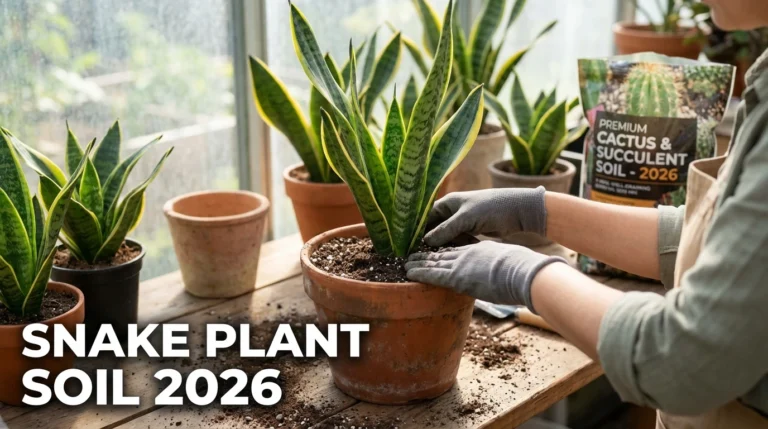
Medicinal aloe vera prefers well-draining soil. A cactus mix or a potting mix combined with sand or perlite is ideal to prevent root rot. Ensuring proper drainage is crucial for the health of the plant.
Watering Needs
One of the most common mistakes in caring for aloe vera is overwatering. This succulent prefers to dry out between waterings. Generally, watering every 2-3 weeks is sufficient, but this can vary depending on the climate and potting conditions.
Temperature and Humidity
Aloe vera thrives in temperatures ranging from 60°F to 75°F. While it can tolerate cooler temperatures, it’s best to protect it from frost and freezing conditions. It prefers low humidity, making it an excellent indoor plant.
Common Lookalikes
Identifying the medicinal aloe vera plant also involves knowing its common lookalikes. Here are a few to watch out for:
Aloe Aristata
Aloe aristata, or the lace aloe, has similar rosette growth but is smaller and has a more intricate leaf pattern. It’s primarily ornamental and lacks the medicinal properties of aloe vera.
Aloe Ferox
Aloe ferox, or the bitter aloe, is larger and has spiky edges. Its gel is less commonly used for medicinal purposes and can be toxic in large quantities.
Aloe Maculata
Aloe maculata, known as the soap aloe, has similar coloring but features a more mottled appearance with spots. It is also not used for medicinal purposes.
Step-by-Step Guide to Identifying Medicinal Aloe Vera
Identifying the medicinal aloe vera plant can be straightforward if you follow these steps:
- Examine the Leaves: Look for thick, fleshy leaves with a serrated edge. The coloration should be green to grey-green.
- Check for Gel: Cut a leaf and observe the gel inside. True aloe vera will have a clear, thick gel.
- Observe the Growth Habit: Ensure the plant has a rosette growth pattern, which is a sign of healthy aloe vera.
- Look for Flowers: If the plant is mature, check for the flower spike and its tubular yellow or orange flowers.
- Research the Variety: If unsure, cross-reference with reliable gardening resources or databases to confirm the species.
Ideas for Using Medicinal Aloe Vera
Once you’ve identified and cultivated your medicinal aloe vera, here are some inspiring ideas for using it:
- Soothing Sunburn Relief: Apply fresh aloe vera gel directly to sunburned skin for instant relief.
- Homemade Face Masks: Blend aloe vera gel with honey and yogurt for a hydrating face mask.
- Hair Conditioner: Use aloe vera gel as a natural hair conditioner to soothe the scalp and hydrate hair.
- Digestive Aid: Incorporate small amounts of aloe vera juice into your diet for digestive support.
- Household Moisturizer: Mix aloe vera gel with essential oils for a natural hand moisturizer.
Expert Tips for Growing and Using Aloe Vera
Here are some insider tips to enhance your aloe vera experience:
- Propagation: Aloe vera can be easily propagated by offsets (baby plants) that grow around the base. Gently separate them and repot them to grow new plants.
- Fertilizing: Use a diluted, balanced fertilizer during the growing season (spring and summer) to promote healthy growth.
- Container Selection: Use a terracotta pot to ensure proper drainage, as these porous materials help absorb excess moisture.
- Harvesting Gel: When harvesting gel, ensure you only take what you need to avoid stressing the plant.
Common Questions about Medicinal Aloe Vera
1. Can I grow aloe vera indoors?
Yes, aloe vera thrives indoors as long as it receives adequate light and proper care. A south or west-facing window is ideal.
2. Is aloe vera safe for pets?
While aloe vera gel is safe for topical use, the plant itself can be toxic to cats and dogs if ingested. Keep it out of reach of pets.
3. How can I tell if my aloe vera is healthy?
Healthy aloe vera will have firm, plump leaves without discoloration or wilting. The plant should be upright and show new growth.
4. How often should I water aloe vera?
Typically, aloe vera should be watered every 2-3 weeks, allowing the soil to dry out completely between waterings.
5. Can I use aloe vera gel on my face every day?
Yes, aloe vera gel can be used daily on the face for hydration and soothing effects. Always do a patch test first to ensure no allergic reaction occurs.
Conclusion
Identifying and caring for the medicinal aloe vera plant opens up a world of healing possibilities. With its myriad benefits, from skincare to digestive health, this succulent is a must-have in any home. By following the tips provided, you can confidently distinguish this valuable plant from its lookalikes and enjoy all that it has to offer. So whether you’re nurturing a small indoor garden or looking to harness its healing powers, embracing aloe vera is a step towards better wellness and a more vibrant living space.