Have you noticed that your plants aren’t thriving the way you hoped? One common culprit could be the pH level of your soil. If the pH is too high, it can hinder nutrient absorption, leading to stunted growth and lackluster blooms. Understanding how to lower pH in soil is essential for fostering a vibrant garden. Let’s dive into the reasons you might want to adjust your soil pH, when to do it, and the effective methods to achieve the right balance for your plants.
Why Lower Soil pH?
Soil pH is a measure of how acidic or alkaline your soil is, with a scale ranging from 0 to 14. A pH of 7 is neutral, below 7 is acidic, and above 7 is alkaline. Here are some compelling reasons to consider lowering your soil pH:
- Improved Nutrient Availability: Many essential nutrients, such as iron, manganese, and phosphorus, become more available to plants in slightly acidic conditions. If your soil is too alkaline, these nutrients can become locked out, leading to deficiencies.
- Enhanced Microbial Activity: Beneficial soil microorganisms thrive in slightly acidic environments. A balanced pH supports these organisms, which play a crucial role in breaking down organic matter and enhancing soil health.
- Better Plant Growth: Plants have specific pH preferences, and adjusting your soil to their ideal range can lead to lush growth and vibrant blooms. For instance, acid-loving plants like blueberries and azaleas flourish in lower pH conditions.
When to Lower Soil pH
Timing is essential when it comes to adjusting soil pH. Here are some signs and situations that indicate it’s time to take action:
Testing Your Soil
Before making any adjustments, conduct a soil test. This will give you a clear understanding of your current pH level and nutrient profile. You can use a home testing kit or send a sample to a local extension service.
Signs of High pH
- Poor Plant Health: If your plants appear stunted, have yellowing leaves, or are struggling to produce fruit or flowers, it may be due to high soil pH.
- Specific Plant Issues: If you’re growing acid-loving plants and they show signs of nutrient deficiency, it’s a clear indicator to check your soil pH.
Best Timing for Adjustment
The best time to lower soil pH is during the growing season, ideally in early spring or late fall. This allows the amendments to break down and integrate into the soil before your plants are actively growing.
How to Lower Soil pH
Now that you understand the importance of adjusting soil pH, let’s explore effective methods to lower it.
1. Organic Amendments
Using organic materials is an environmentally friendly way to lower soil pH. Here are some popular options:
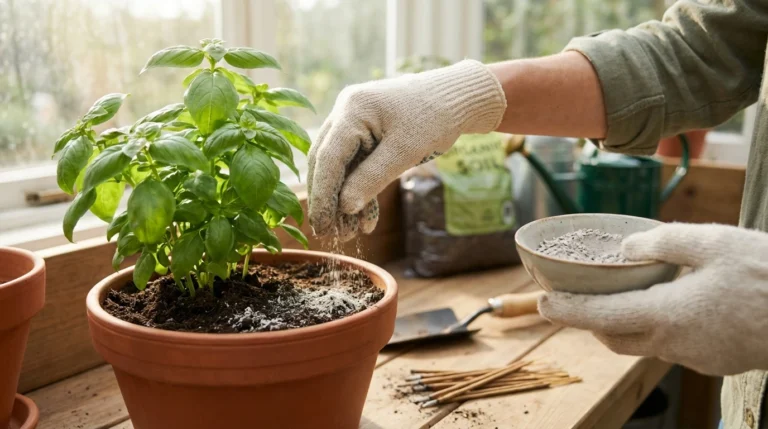
- Elemental Sulfur: This is one of the most common amendments. When added to soil, it is converted by soil bacteria into sulfuric acid, which lowers pH. Generally, you’ll want to apply 1-2 pounds of sulfur per 100 square feet of soil.
- Peat Moss: Incorporating peat moss not only helps to lower pH but also improves soil structure and moisture retention. Mix 1-2 inches into the topsoil.
- Composted Pine Needles: These can be used as a mulch or mixed into the soil to gradually lower pH. They also add organic matter, which benefits overall soil health.
2. Inorganic Amendments
If you’re looking for quicker results, inorganic amendments can be effective:
- Aluminum Sulfate: This amendment works faster than elemental sulfur. However, it can be harmful to some plants if used excessively, so follow package instructions closely.
- Iron Sulfate: Similar to aluminum sulfate, iron sulfate lowers pH quickly. It’s also beneficial for correcting iron deficiencies in plants.
3. Acidic Fertilizers
Certain fertilizers can help lower soil pH while providing nutrients:
- Ammonium Nitrate: This fertilizer contains ammonium, which can acidify the soil as it breaks down.
- Urea: When applied, urea can also lower pH through its conversion to ammonium.
4. Watering Practices
Using rainwater or distilled water can help maintain lower pH levels. Tap water often has a higher pH, so if you’re using it regularly for irrigation, consider switching to a more neutral or acidic water source.
5. Mulching
Using organic mulch, such as shredded leaves or bark, can help gradually lower soil pH while also improving moisture retention and organic matter content.
Step-by-Step Guide to Lowering Soil pH
To effectively lower your soil pH, follow these steps:
- Test Your Soil: Start with a soil test to determine your current pH level.
- Choose Your Amendment: Based on your soil test results and timeline, decide whether to use organic or inorganic amendments.
- Calculate the Amount Needed: Follow the recommended application rates based on your soil’s needs.
- Apply the Amendment: Spread the chosen amendment evenly over the soil surface and incorporate it into the top 6-12 inches using a rake or tiller.
- Water the Area: Watering after application helps activate the amendments and aids in their integration into the soil.
- Re-Test Soil pH: After a few months, re-test your soil to monitor changes in pH and adjust as necessary.
Ideas for Lowering Soil pH
Here are some visually inspiring ideas for achieving the perfect soil pH:
- Garden Bed Design: Create a designated area for acid-loving plants by using raised beds with low pH soil amendments.
- Peat Moss Planters: Use peat moss in your container gardens for acid-loving flowers like rhododendrons and azaleas.
- Compost Tea: Brew compost tea with acidic ingredients to boost nutrient availability and lower pH.
- Seasonal Mulching: Experiment with different organic mulches each season to see which one maintains the best pH balance.
Expert Tips for Lowering Soil pH
Here are some insider tips to ensure success:
- Be Patient: Lowering soil pH is not an overnight process. It may take several months for changes to take effect, especially with organic amendments.
- Monitor Plant Health: Keep an eye on how your plants respond after adjustments. Signs of improved health will help confirm that your efforts are paying off.
- Consider Local Conditions: Soil type, drainage, and climate can all influence pH. Tailor your approach based on local conditions and specific plant needs.
- Consult Local Experts: Don’t hesitate to reach out to local agricultural extensions or gardening clubs for advice tailored to your region.
Common Questions
What is the ideal soil pH for most plants?
Most plants prefer a pH range of 6.0 to 7.0. However, some acid-loving plants thrive in lower pH levels, around 5.0 to 6.0.
How often should I test my soil pH?
It’s a good practice to test your soil pH at least once a year, especially if you’re making amendments or growing a variety of plants with different pH preferences.
Can I lower soil pH too much?
Yes, excessive acidity can harm plants. It’s important to aim for the ideal pH for your specific plants and monitor changes closely.
How long does it take for amendments to lower soil pH?
The time it takes can vary based on the amendment type and soil conditions. Organic amendments may take several months, while inorganic options can show results more quickly.
Are there natural ways to maintain soil pH?
Yes! Regular mulching with organic materials, using acidic fertilizers, and maintaining a balanced watering routine can help keep soil pH stable.
Conclusion
Lowering soil pH is a vital aspect of ensuring your garden thrives. By understanding the reasons, timing, and methods for adjusting pH, you can create an ideal environment for your plants. Remember to test your soil regularly and adjust your approach based on your specific garden needs. With the right care, your plants will flourish, bringing beauty and life to your garden.