Firesticks, also known as Euphorbia Tirucalli, are striking succulents that can add a vibrant touch to any garden or indoor space. Their unique, pencil-like stems transition from green to a beautiful fiery orange in sunlight, making them a favorite among plant enthusiasts. However, caring for Firesticks requires some specific knowledge to ensure they thrive. Whether you’re a seasoned gardener or just starting, this guide will provide you with actionable tips and tricks to help your Firesticks flourish.
Quick Answer
To care for Firesticks (Euphorbia Tirucalli), provide well-draining soil, bright indirect sunlight, and water sparingly. Allow the soil to dry out completely between watering to prevent root rot. Fertilize during the growing season and protect the plant from frost.
Understanding Firesticks Succulent
Firesticks belong to the Euphorbia genus, which includes a vast range of plants, many of which are succulents. Native to Africa, these plants are adapted to arid environments, making them drought-resistant and perfect for low-maintenance gardening.
Characteristics of Firesticks
- Appearance: They have slender, upright stems that can reach up to 6 feet tall, and their color changes from green to orange and red with exposure to sunlight.
- Growth Habit: Firesticks grow upright and can become bushy if pruned regularly.
- Flowers: Though not the main attraction, they produce small yellow flowers that appear in clusters during the spring.
Ideal Growing Conditions
Creating the right environment for your Firesticks is essential for their growth and health.
Light Requirements
Firesticks thrive in bright, indirect sunlight. They can tolerate direct sunlight but may require acclimatization to avoid sunburn.
- Place them near a south or west-facing window for optimal light.
- If grown outdoors, ensure they are in a spot with partial shade during the hottest part of the day.
Soil Preferences
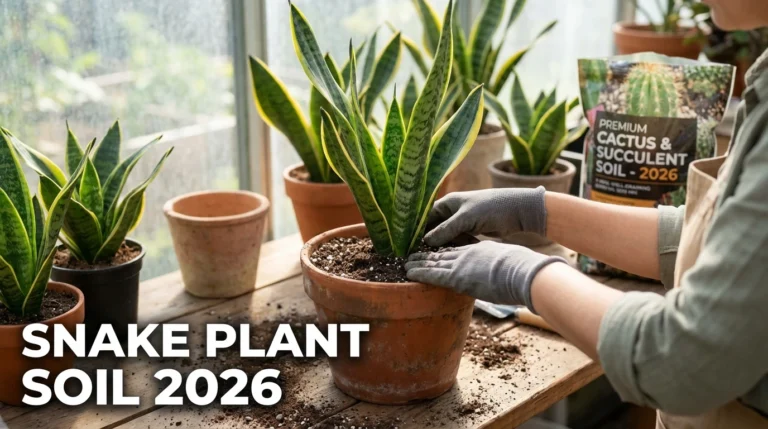
Use a well-draining soil mix to prevent water retention, which can lead to root rot. A cactus or succulent-specific potting mix works best.
Temperature and Humidity
Firesticks prefer warm temperatures ranging from 60°F to 80°F (15°C to 27°C). They are not frost-tolerant, so bring them indoors or cover them if temperatures dip below freezing.
Watering Firesticks
Watering is one of the most critical aspects of Firesticks care. Here’s how to do it right:
Watering Schedule
- Water your Firesticks every 2-3 weeks during the growing season (spring and summer).
- In the fall and winter, reduce watering to once a month or when the soil feels completely dry.
Signs of Overwatering
Be cautious not to overwater, as Firesticks are susceptible to root rot. Signs include:
- Yellowing leaves
- Soft, mushy stems
- Foul smell from the soil
Fertilizing Firesticks
Fertilization can help your Firesticks thrive, especially during the growing season.
Type of Fertilizer
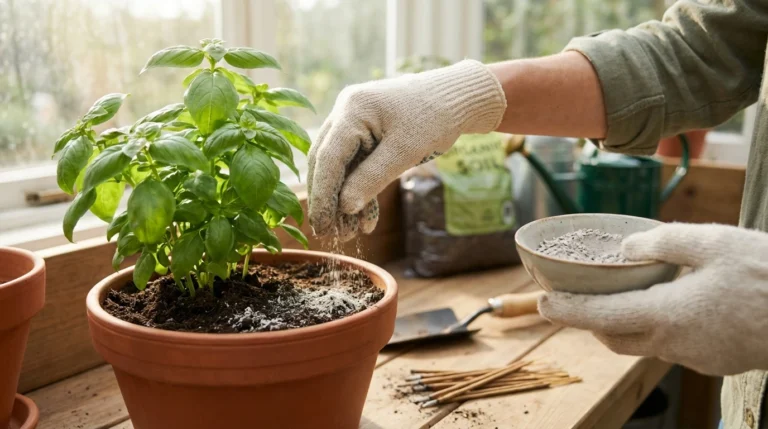
- Use a balanced, water-soluble fertilizer diluted to half strength.
- Opt for a fertilizer designed for succulents or cacti for best results.
Fertilization Schedule
Fertilize every 4-6 weeks from spring to early fall. Avoid fertilizing in the winter when the plant is dormant.
Potting and Repotting Firesticks
Choosing the right pot and knowing when to repot are crucial for Firesticks.
Choosing the Right Pot
- Use a pot with drainage holes to allow excess water to escape.
- Terracotta pots are ideal as they absorb moisture and help regulate soil moisture levels.
When to Repot
Repot Firesticks every 2-3 years or when you notice roots growing out of the drainage holes. Spring is the best time for repotting.
Propagation Techniques
Firesticks are easy to propagate, making them a great choice for expanding your collection or sharing with friends.
Stem Cuttings
- Cut a healthy stem with a clean, sharp knife.
- Allow the cutting to dry for 24-48 hours to form a callus.
- Plant in the soil mix and water sparingly until roots develop.
Seeds
Though not as common, you can also propagate Firesticks from seeds. Sow seeds in a well-draining mix and keep them moist until they germinate.
Common Pests and Diseases
Understanding potential threats can help you keep your Firesticks healthy.
Pests
- Mealybugs: These small, white pests can be removed with a cotton swab dipped in alcohol.
- Spider Mites: Look for webbing and treat with insecticidal soap or neem oil.
Diseases
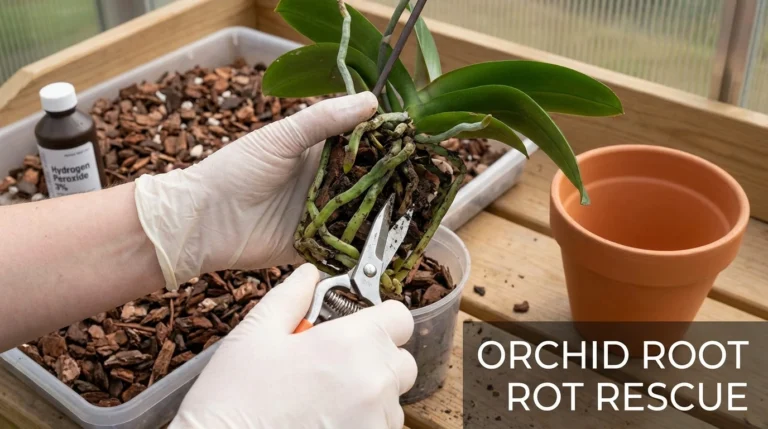
Root rot due to overwatering is the most common disease. To prevent it, ensure good drainage and a proper watering schedule.
Expert Tips for Thriving Firesticks
Here are some insider tips to ensure your Firesticks not only survive but truly thrive:
- Rotate Regularly: Rotate your plant every few weeks to ensure even light exposure and prevent leaning.
- Dust Off Leaves: Gently wipe the leaves with a damp cloth to remove dust and improve photosynthesis.
- Watch for Toxicity: The sap of Firesticks can be irritating to the skin and eyes, so handle with care.
Common Questions (FAQ)
How often should I water my Firesticks?
Water every 2-3 weeks during the growing season, allowing the soil to dry out completely between waterings.
Can Firesticks survive outdoors?
Yes, Firesticks can thrive outdoors in warm climates, but they should be protected from frost and heavy rain.
What should I do if my Firesticks are turning yellow?
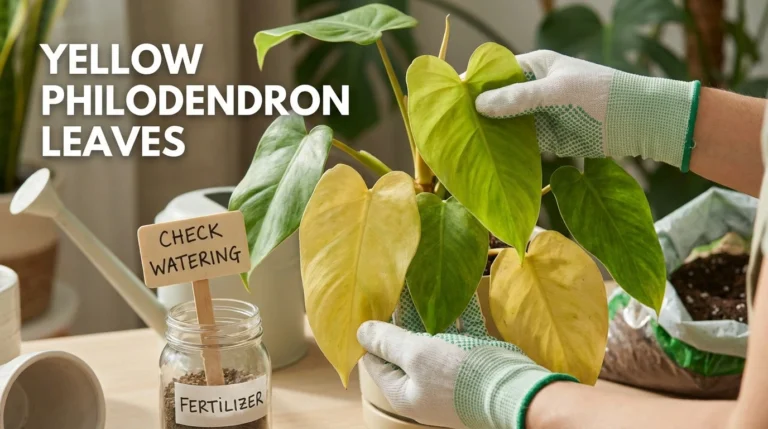
Yellowing may indicate overwatering. Check the soil moisture and adjust your watering schedule accordingly.
Conclusion
Caring for Firesticks succulents can be a rewarding experience, providing a unique and vibrant addition to your plant collection. By following these tips and tricks, you can ensure your Firesticks remain healthy and beautiful. Remember to provide the right amount of light, water, and care, and enjoy watching your Firesticks thrive!