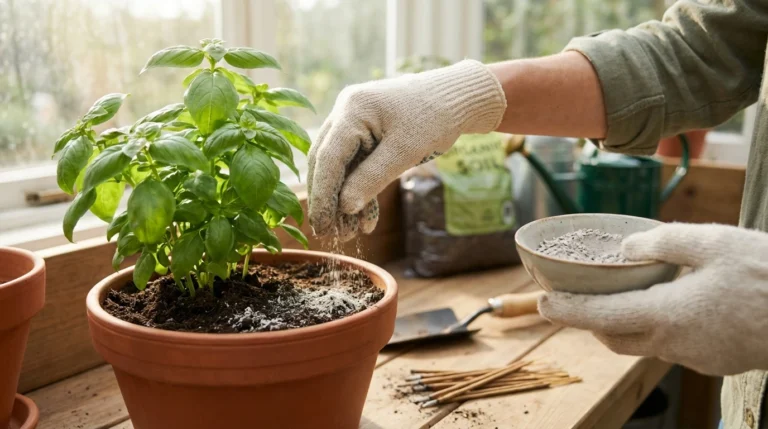
When diving into the world of gardening and plant care, you may have come across the terms perlite and vermiculite. These two lightweight amendments are often used interchangeably, but they serve distinct purposes and have different properties. Understanding their differences can greatly enhance your gardening experience, whether you’re starting seedlings, improving soil drainage, or creating the perfect potting mix. Let’s explore the unique characteristics of perlite and vermiculite, how to use them effectively, and the best applications for each in your gardening endeavors.
Quick Answer
Perlite is a volcanic glass that provides excellent aeration and drainage in soil mixes, while vermiculite is a mineral that retains moisture and nutrients. Choose perlite for better drainage and aeration, and vermiculite for moisture retention and nutrient holding capacity.
Understanding Perlite
Perlite is a naturally occurring volcanic glass that is processed by heating it to high temperatures until it expands and becomes lightweight. This expansion creates a unique structure that is incredibly porous and provides excellent drainage properties.
Key Properties of Perlite
- Weight: Light and fluffy, making it easy to handle and mix into soil.
- Drainage: Allows excess water to escape, preventing root rot.
- Aeration: Creates air pockets that help roots breathe, supporting healthy plant growth.
- Inert: Does not affect pH or nutrient levels in the soil, making it a neutral amendment.
Uses of Perlite
Perlite is widely used in various gardening applications, including:
- Seed Starting: Provides excellent aeration for germinating seeds.
- Potting Mixes: Helps create well-draining potting mixes for houseplants and container gardens.
- Soil Amendments: Improves drainage in heavy soils or clay-based mixes.
- Hydroponics: Used as a growing medium due to its drainage properties.
Understanding Vermiculite
Vermiculite is a mineral that expands when heated, similar to perlite, but it retains moisture and nutrients much more effectively. It is composed of hydrated magnesium iron aluminum silicate, and its unique structure allows it to hold water and nutrients, making it an excellent addition to various growing mediums.
Key Properties of Vermiculite
- Moisture Retention: Holds water and nutrients, providing a reservoir for plants.
- Lightweight: Easy to mix into soil without adding significant weight.
- Inert: Does not affect the soil’s pH or nutrient levels.
- Insulating Properties: Helps regulate soil temperature, protecting roots from extreme conditions.
Uses of Vermiculite
Vermiculite is versatile and can be used in several gardening scenarios, including:
- Seed Starting: Provides a moist environment for germinating seeds.
- Soil Mixes: Enhances moisture retention in potting and garden mixes.
- Rooting Cuttings: Ideal for propagating plants as it retains moisture and supports healthy root growth.
- Container Gardens: Helps maintain consistent moisture levels in potted plants.
Comparing Perlite and Vermiculite
While both perlite and vermiculite are beneficial soil amendments, they have distinct differences that affect their use in gardening. Here’s a closer look at how they compare:
1. Texture and Appearance
Perlite is white, lightweight, and has a granular texture, resembling small white beads. In contrast, vermiculite has a brownish-gold color and a more flaky, sponge-like texture. This difference in appearance can help you identify them easily when shopping at your local garden center.
2. Water Retention vs. Drainage
One of the most significant differences lies in their water handling abilities:
- Perlite: Excellent for drainage; prevents soil from becoming waterlogged.
- Vermiculite: Excellent for moisture retention; helps keep soil consistently moist.
3. Nutrient Holding Capacity
Vermiculite has a higher cation exchange capacity (CEC) than perlite, meaning it can hold and exchange nutrients more effectively. This makes vermiculite a great choice for plants that require consistent nutrient availability.
4. Ideal Uses
Choosing between perlite and vermiculite often depends on the specific needs of your plants:
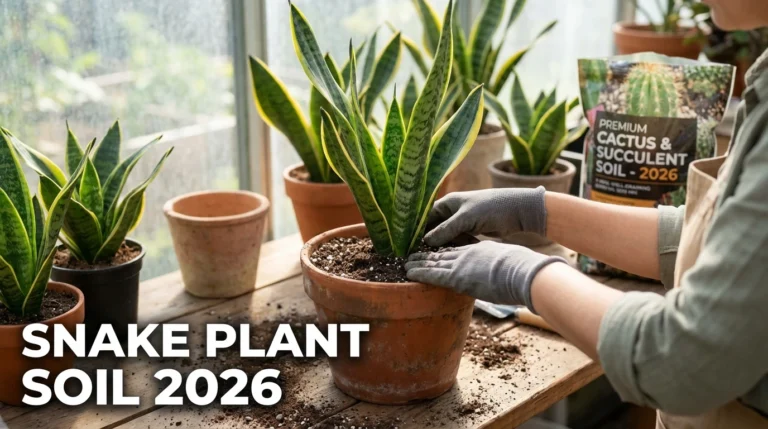
- Use Perlite: For succulents, cacti, and other plants that prefer well-drained soil.
- Use Vermiculite: For seedlings, cuttings, and plants that need consistent moisture.
How to Use Perlite and Vermiculite
Incorporating perlite and vermiculite into your gardening routine is straightforward. Here are some practical tips on how to use each effectively:
Using Perlite
- Mixing into Soil: Combine 1 part perlite with 2 parts potting soil for improved aeration and drainage.
- For Seed Starting: Use a mix of 50% perlite and 50% seed starting mix to promote healthy germination.
- Container Gardening: Add perlite to your container mixes to prevent soil compaction and ensure good drainage.
Using Vermiculite
- Moisture Retention: Mix 1 part vermiculite with 3 parts potting soil to enhance moisture retention.
- For Seed Starting: Use a seed starting mix that contains vermiculite for better germination rates.
- Rooting Cuttings: Place cuttings in pure vermiculite to encourage root development.
Ideas for Using Perlite and Vermiculite
Here are some creative ideas to inspire your gardening projects:
- Succulent Mix: Combine 2 parts potting soil with 1 part perlite for the perfect succulent mix.
- Seedling Starter Trays: Fill trays with a mix of 1 part vermiculite and 1 part peat moss for healthy seedlings.
- Indoor Herb Garden: Use a mix of 1 part vermiculite and 2 parts potting soil to create a moisture-retaining mix for your herbs.
- Propagation Station: Use a glass jar filled with vermiculite for propagating plant cuttings with ease.
Expert Tips for Using Perlite and Vermiculite
Here are some insider tips to maximize the benefits of perlite and vermiculite in your gardening:
- Layering Technique: Use a layer of perlite at the bottom of pots to ensure excess water drains away from the roots.
- Moisture Monitoring: If using vermiculite, regularly check the moisture levels to prevent overwatering, as it can retain moisture for longer periods.
- Combining Both: For optimal results, you can mix perlite and vermiculite in a potting mix to benefit from both drainage and moisture retention.
- Use in Hydroponics: Both amendments can be used in hydroponic systems; perlite for drainage and aeration, and vermiculite for nutrient retention.
Common Questions About Perlite and Vermiculite
1. Can I mix perlite and vermiculite together?
Absolutely! Mixing perlite and vermiculite can create a balanced growing medium that benefits from both excellent drainage and moisture retention.
2. Is perlite or vermiculite better for succulents?
Perlite is generally better for succulents due to its drainage properties, which prevent root rot in these drought-tolerant plants.
3. Can I use perlite or vermiculite alone?
While both can be used alone, it’s often best to mix them with other materials to achieve the desired soil characteristics for specific plants.
4. Does perlite have nutrients?
No, perlite is an inert material and does not contain any nutrients. It primarily serves to improve aeration and drainage.
5. How do I store perlite and vermiculite?
Store both materials in a cool, dry place away from direct sunlight to maintain their properties and prevent clumping.
Conclusion
Understanding the differences between perlite and vermiculite is essential for any gardener looking to optimize their plant care. Whether you need improved drainage, moisture retention, or a combination of both, these lightweight amendments can work wonders in your gardening projects. By selecting the right one for your plants’ needs, you’ll be on your way to creating a thriving garden environment. Happy gardening!