Snake plants, also known as Sansevieria or mother-in-law’s tongue, are popular houseplants celebrated for their striking appearance and resilience. Many plant enthusiasts are often curious about how cold these hardy plants can tolerate. Understanding their temperature tolerance is crucial for ensuring your snake plant thrives year-round. Whether you’re a seasoned gardener or a beginner, knowing how to protect your snake plant from the cold can enhance its growth and beauty.
Quick Answer
Snake plants can tolerate temperatures as low as 50°F (10°C) but ideally thrive in temperatures between 60°F to 80°F (15°C to 27°C). Prolonged exposure to temperatures below 50°F can lead to stress or damage, so it’s essential to protect them from cold drafts and frost.
Understanding Temperature Tolerance
Snake plants are native to tropical and subtropical regions of Africa, which is why they prefer warmer climates. However, they are surprisingly resilient and can adapt to various temperature ranges. Here’s a detailed look at their temperature tolerance:
Ideal Temperature Range
- Optimal Growth: Snake plants thrive best in temperatures ranging from 60°F to 80°F (15°C to 27°C). This range allows for robust growth and vibrant foliage.
- Nighttime Temperatures: It is normal for nighttime temperatures to drop slightly; however, they should not fall below 50°F (10°C) for extended periods.
Minimum Temperature Tolerance
While snake plants can tolerate cooler temperatures, they should not be exposed to temperatures below 50°F (10°C) for prolonged periods. Here’s what happens:
- 50°F to 40°F (10°C to 4°C): At this range, the plant may start to show signs of stress, such as slowed growth and wilting.
- Below 40°F (4°C): Prolonged exposure can lead to severe damage, including leaf discoloration and rot. Freezing temperatures can be fatal.
Signs of Cold Stress
Identifying the signs of cold stress in snake plants early can help you take preventive measures. Here are some common indicators:
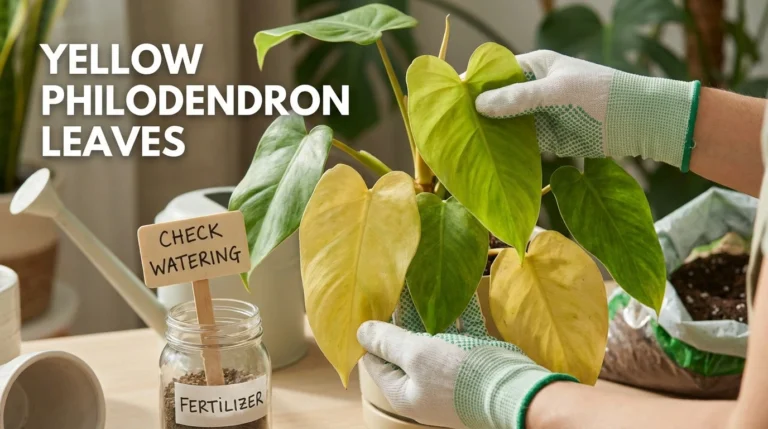
- Leaf Discoloration: Leaves may start to turn yellow or brown, indicating stress.
- Wilting: Cold temperatures can cause the plant to become limp and lose its vigor.
- Soft or Mushy Leaves: This can be a sign of rot due to prolonged exposure to cold and wet conditions.
How to Protect Your Snake Plants from Cold
Keeping your snake plants healthy during colder months involves taking a few simple precautions. Here are actionable steps to protect your plants:
1. Indoor Placement
- Avoid Drafts: Place your snake plants away from doors, windows, and vents that may expose them to cold drafts.
- Warm Corners: Position them near heat sources, like radiators, but ensure they’re not too close to avoid scorching.
2. Outdoor Care
- Bring Indoors: If you keep your snake plants outside during warm months, bring them indoors when temperatures drop below 50°F (10°C).
- Use Covers: If you can’t bring them inside, consider using frost cloths or blankets to cover them during cold nights.
3. Monitor Humidity
Snake plants prefer moderate humidity levels. When temperatures drop, humidity can also fluctuate. Keep an eye on humidity, as dry air can further stress the plants. Here’s how to manage it:
- Use a humidifier in the room where your snake plants are kept.
- Group them with other plants to create a microclimate.
Ideas for Snake Plant Care
Here are some inspiring and actionable ideas for caring for your snake plants during colder months:
- Winterize Your Plant Space: Create a cozy corner for your snake plants with fairy lights and soft decor.
- DIY Plant Covers: Make stylish plant covers from old blankets to protect your snake plants from frost.
- Creative Pot Placement: Use decorative trays to move your snake plants indoors easily when temperatures drop.
Expert Tips for Snake Plant Care
As a friendly expert gardener, here are some insider tips for ensuring your snake plants stay healthy through cold spells:
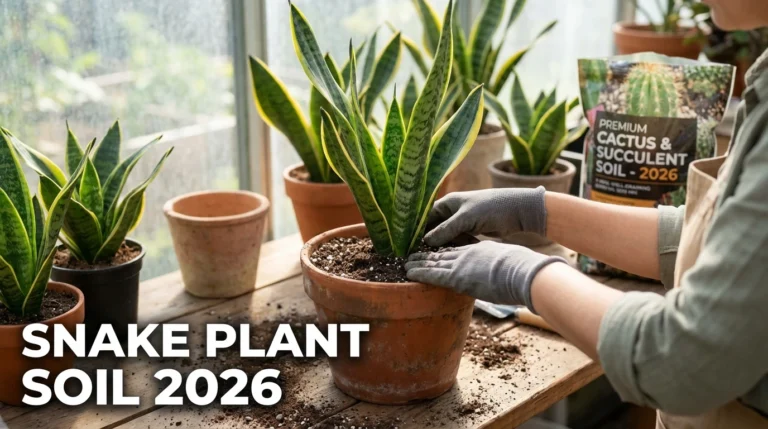
- Soil Matters: Use well-draining soil to prevent root rot, especially during colder months when water evaporates more slowly.
- Water Sparingly: Reduce watering in winter; snake plants need less moisture when they are not actively growing.
- Fertilize Wisely: Avoid fertilizing during the winter months, as this can stress the plant further.
Common Questions About Snake Plants and Cold Tolerance
1. Can snake plants survive frost?
No, snake plants cannot survive frost. Frost can cause severe damage and even death to the plant. It’s essential to bring them indoors or provide adequate protection if temperatures drop.
2. How do I know if my snake plant is too cold?
Signs of cold stress include yellowing or browning leaves, wilting, and soft, mushy foliage. If you notice these signs, move your plant to a warmer location.
3. What should I do if my snake plant gets too cold?
If your snake plant is exposed to cold temperatures, move it to a warmer location immediately. Check for signs of damage and adjust your care routine accordingly.
4. How often should I water my snake plant in winter?
During winter, water your snake plant sparingly. Allow the top inch of soil to dry out before watering again to prevent root rot.
5. Can I keep my snake plant outside year-round?
In warmer climates (USDA zones 9-11), snake plants can be kept outside year-round, but in cooler areas, they should be brought indoors when temperatures drop below 50°F (10°C).
Conclusion
Understanding how cold your snake plants can tolerate is crucial for their health and longevity. With the right precautions and care, you can keep these hardy plants thriving even during the colder months. Remember to monitor their environment, protect them from cold drafts, and adjust your watering routine accordingly. By doing so, you’ll enjoy the beauty of snake plants all year round!