Phosphorus is essential for healthy plant growth, playing a key role in energy transfer, photosynthesis, and nutrient movement within the plant. If your garden is struggling with poor growth or yellowing leaves, it might be time to consider adding phosphorus to your soil. Understanding how to effectively boost phosphorus levels can lead to a flourishing garden filled with vibrant, healthy plants. Let’s explore practical and actionable tips to enhance your soil’s phosphorus content.
Quick Answer
To add phosphorus to soil, consider using bone meal, rock phosphate, compost, phosphate fertilizers, or cover crops. Each method enriches the soil with this vital nutrient, promoting better plant health and productivity.
Understanding Phosphorus and Its Importance
Before diving into how to add phosphorus, it’s crucial to understand why it’s needed. Phosphorus supports root development, flower and fruit production, and overall plant vigor. A deficiency in phosphorus can manifest as stunted growth, dark green or purplish leaves, and poor flowering. Testing your soil can help determine the phosphorus levels and guide you in making the right amendments.
Signs of Phosphorus Deficiency
- Purple Leaves: Older leaves may turn purple due to a lack of phosphorus.
- Stunted Growth: Plants may be smaller than expected for their species.
- Delayed Maturity: Flowers and fruits may take longer to develop.
5 Easy Tips to Add Phosphorus to Soil
1. Use Bone Meal
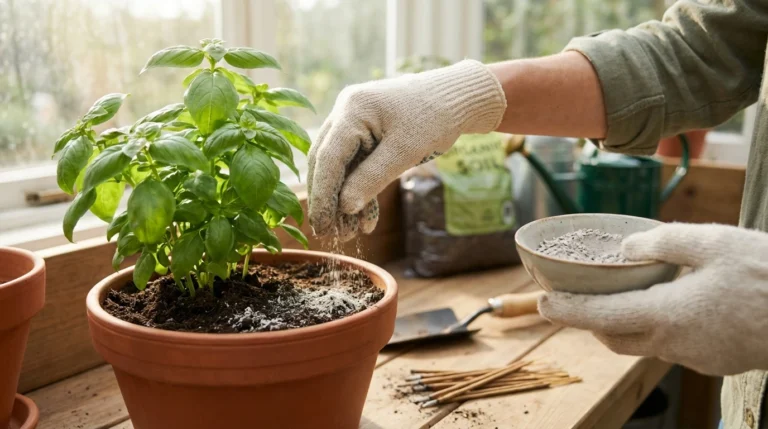
Bone meal is a natural source of phosphorus derived from animal bones. It’s a slow-release fertilizer that not only enriches the soil but also provides calcium. Here’s how to use bone meal effectively:
- Application: Spread 1-2 cups of bone meal per 100 square feet of garden area.
- Timing: Apply during the planting season to give plants a head start.
- Incorporation: Mix it well into the top 6-8 inches of soil to enhance absorption.
2. Rock Phosphate
Rock phosphate is another excellent source of phosphorus, particularly for organic gardeners. It’s mined from mineral deposits and is best used in conjunction with compost. To use rock phosphate:
- Application Rate: Use about 3-5 pounds per 100 square feet.
- Mixing: Incorporate it into the soil before planting for optimal results.
- Long-Term Benefits: It releases phosphorus slowly, making it a sustainable option.
3. Compost Enrichment
Adding compost is a great way to boost phosphorus organically. Compost made from kitchen scraps, yard waste, and manure often contains varying levels of phosphorus. Here’s how to enhance your compost:
- Ingredients: Include high-phosphorus materials like banana peels, fish scraps, and eggshells.
- Application: Spread a layer of compost (1-2 inches) on top of the soil or mix it in before planting.
- Benefits: This not only adds phosphorus but also improves soil structure and moisture retention.
4. Phosphate Fertilizers
If you prefer quicker results, consider using phosphate fertilizers. These are commercially available and provide a concentrated source of phosphorus. Here’s how to use them:
- Types: Look for fertilizers labeled as “superphosphate” or “triple superphosphate.”
- Application: Follow the instructions on the packaging for proper dosing.
- Timing: Apply at planting time or during the growing season when plants need a boost.
5. Cover Crops
Using cover crops is a sustainable way to improve phosphorus levels in your soil. Certain plants, like legumes, can enhance soil nutrients naturally. Here’s how to implement this method:
- Selection: Choose cover crops like clover or vetch that fix nitrogen and improve soil fertility.
- Planting: Sow cover crops in the fall and till them under in the spring before planting your main crops.
- Soil Health: This practice not only adds phosphorus but also enhances overall soil structure and health.
Ideas for Adding Phosphorus
- Bone Meal Garden Boost: Create a visual guide showing how to mix bone meal into the soil before planting.
- Rock Phosphate DIY: Share an infographic on how to source and apply rock phosphate effectively.
- Compost Enrichment Tips: Show images of compost ingredients that enhance phosphorus levels.
- Fertilizer Timing Calendar: Design a calendar outlining the best times to apply different phosphorus sources.
- Cover Crop Benefits: Highlight the visual impact of vibrant cover crops on soil health.
Expert Tips for Boosting Phosphorus
- Test Your Soil: Regular soil testing can help you identify phosphorus levels and avoid over-application.
- Balance Nutrients: Ensure that you’re not just adding phosphorus; a balanced approach with nitrogen and potassium is essential for healthy plants.
- Watering Wisely: Water your plants adequately after applying phosphorus to help it dissolve and integrate into the soil.
- Use Mulch: Applying organic mulch can help retain moisture and improve nutrient absorption, including phosphorus.
Common Questions About Adding Phosphorus to Soil
1. What are the signs of too much phosphorus in soil?
Excess phosphorus can lead to nutrient imbalances, resulting in poor plant growth and potential environmental harm. Symptoms include stunted growth and reduced yields.
2. How often should I add phosphorus to my garden?
It depends on your soil test results. Generally, adding phosphorus once a year during soil preparation is sufficient, but adjust based on plant needs and soil health.
3. Can I use kitchen scraps to add phosphorus?
Yes! Kitchen scraps like fruit peels, especially banana peels, can provide phosphorus when added to your compost.
4. Is there a risk of phosphorus runoff?
Yes, excessive phosphorus can lead to runoff, causing water pollution. Use phosphorus amendments responsibly and according to soil test recommendations.
5. How long does it take for phosphorus to become available to plants?
Phosphorus from organic sources like bone meal and rock phosphate can take weeks to months to become available, while synthetic fertilizers offer quicker results.
Conclusion
Adding phosphorus to your soil doesn’t have to be complicated. With the right methods and materials, you can enhance your garden’s health and productivity. Whether you choose natural amendments like bone meal and compost or opt for commercial fertilizers, remember that balance is key. Regular soil testing and mindful application will keep your plants thriving and your garden flourishing with vibrant life.