Worm castings are often dubbed nature’s super fertilizer, but many gardeners wonder how much to use per gallon of soil for optimal results. Whether you’re a seasoned gardener or a curious beginner, understanding the right ratio can make a significant difference in plant health and soil quality. When applied correctly, worm castings not only enhance nutrient availability but also improve soil structure, water retention, and beneficial microbial activity. Let’s dig into the details and explore the ideal amount of worm castings to incorporate into your soil.
Quick Answer
For most plants, incorporating about 1 cup of worm castings per gallon of soil is ideal. This ratio helps ensure that plants receive the necessary nutrients without overwhelming them. Adjustments can be made based on specific plant needs or soil conditions.
Understanding Worm Castings
Before diving into application rates, it’s helpful to understand what worm castings are and why they are beneficial. Worm castings, or vermicompost, are the nutrient-rich excrement of earthworms. They are packed with essential nutrients like nitrogen, phosphorus, potassium, and trace minerals, as well as beneficial microorganisms.
The Benefits of Using Worm Castings
- Nutrient-Rich: They provide a slow-release source of nutrients that supports plant growth.
- Soil Structure Improvement: Castings improve soil aeration and drainage, promoting healthy root development.
- Water Retention: They enhance the soil’s ability to retain moisture, reducing the need for frequent watering.
- Microbial Activity: Worm castings contain beneficial microorganisms that help suppress diseases and pests.
How Much Worm Castings to Use
Now that you know the benefits, let’s explore the recommended amounts based on different gardening contexts.
General Application Rate
For general gardening purposes, a good rule of thumb is to use:
- 1 cup of worm castings per gallon of soil: This amount is sufficient for most garden plants.
- 1-2 cups for heavy feeders: For plants that require more nutrients, such as tomatoes or peppers, consider using up to 2 cups per gallon.
Container Gardening
Container gardening often requires different considerations due to limited soil volume. Here’s how to apply worm castings effectively:
- Small containers (<1 gallon): Use about ¼ cup of worm castings.
- Medium containers (1-3 gallons): Aim for 1-2 cups, depending on the plant type.
- Large containers (3+ gallons): Use 2-3 cups for larger plants with higher nutrient needs.
Seed Starting and Transplanting
When starting seeds or transplanting seedlings, worm castings can provide a gentle nutrient boost:
- Seed starting mix: Mix about 10-20% worm castings into your seed starting mix.
- Transplanting holes: Add a handful (about ½ cup) of worm castings to each transplanting hole for established plants.
Application Methods
How you apply worm castings can also affect their effectiveness. Here are some popular methods:
Soil Mixing
For garden beds or large containers, mix worm castings directly into the soil:
- Remove existing soil if necessary.
- Add the recommended amount of worm castings.
- Thoroughly mix the castings with the soil to ensure even distribution.
Top Dressing
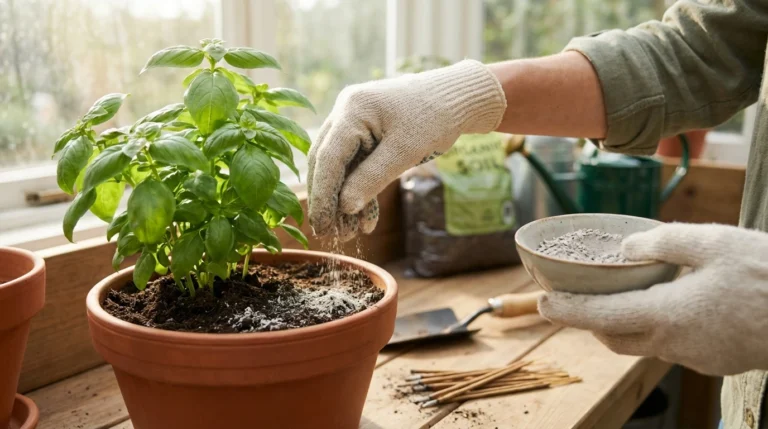
Top dressing involves adding worm castings on the soil surface:
- Spread a thin layer (about ¼ inch) of castings around the base of plants.
- Lightly work it into the top layer of soil.
- This method is great for providing ongoing nutrients and improving soil health.
Liquid Fertilizer
You can also create a nutrient-rich liquid fertilizer using worm castings:
- Mix 1 cup of worm castings with 5 gallons of water.
- Let it steep for 24-48 hours, stirring occasionally.
- Strain the liquid and use it to water your plants.
Common Mistakes to Avoid
Even though worm castings are gentle, it’s still possible to make mistakes. Here are some pitfalls to avoid:
Overapplication
Using too much worm castings can lead to nutrient imbalances. Stick to the recommended amounts to avoid overwhelming your plants.
Ignoring Soil Health
Worm castings work best in conjunction with good soil health practices. Make sure to test your soil and amend it as needed for optimal results.
Neglecting Watering Needs
While worm castings help with moisture retention, don’t forget to water your plants appropriately based on their specific needs.
Expert Tips for Maximizing Worm Castings
To get the most out of your worm castings, consider these expert tips:
Mix with Other Amendments
Combine worm castings with other organic amendments like compost, bone meal, or kelp meal to create a balanced soil mix.
Use Fresh Castings
Fresh worm castings are more potent and nutrient-rich than older ones. Aim to use castings that are less than a year old for the best results.
Store Properly
Keep worm castings in a cool, dry place to maintain their viability. Use an airtight container to prevent moisture loss and contamination.
Ideas for Using Worm Castings
Here are some creative and visually appealing ways to use worm castings in your gardening:
1. DIY Indoor Plant Fertilizer
Mix worm castings with water to create a nutrient-rich solution for your indoor plants. This keeps them healthy and thriving.
2. Seed Bombs
Create seed bombs using a mix of clay, soil, and worm castings. These can be tossed into bare patches of soil for a burst of greenery.
3. Worm Casting Tea Party
Host a “tea party” for your plants by brewing worm casting tea and sharing the liquid fertilizer with fellow gardening friends.
4. Garden Refresh
Add a layer of worm castings as a top dressing in your garden beds for an instant refresh and nutrient boost.
5. Compost Booster
Sprinkle worm castings on your compost pile to enhance microbial activity and speed up decomposition.
Common Questions About Worm Castings
How often should I apply worm castings?
It’s best to apply worm castings every 4-6 weeks during the growing season to provide ongoing nutrients.
Can I use worm castings on all types of plants?
Yes, worm castings are safe and beneficial for most plants, including vegetables, flowers, and houseplants.
Are worm castings better than regular compost?
While both are beneficial, worm castings are richer in nutrients and beneficial microorganisms, making them an excellent addition to any soil mix.
Do I need to mix worm castings into the soil?
Mixing them in helps distribute nutrients evenly, but they can also be used as a top dressing or in liquid form if preferred.
Can I use too many worm castings?
Yes, overapplication can lead to nutrient imbalances. Stick to the recommended amounts for best results.
Conclusion
Incorporating worm castings into your gardening routine can be a game-changer for plant health and soil quality. By following the recommended amounts and application methods, you can provide your plants with the nutrients they need to thrive. Remember, gardening is a journey of learning and experimenting, so don’t hesitate to adjust your approach based on your unique garden needs. Happy gardening!