Are you looking to enhance your outdoor space with a unique twist? Railroad ties can transform your yard into a rustic haven while providing practical landscaping solutions. These sturdy wooden beams, once used for train tracks, are now a popular choice for various landscaping projects. From garden beds to borders, the versatility of railroad ties can inspire creativity in your yard. Let’s explore over 24 genius ideas to incorporate railroad ties into your landscaping for a stunning upgrade!
Quick Answer
Railroad ties are perfect for landscaping due to their durability and aesthetic appeal. You can use them for raised garden beds, walkways, retaining walls, and more, providing both functionality and beauty in your outdoor space.
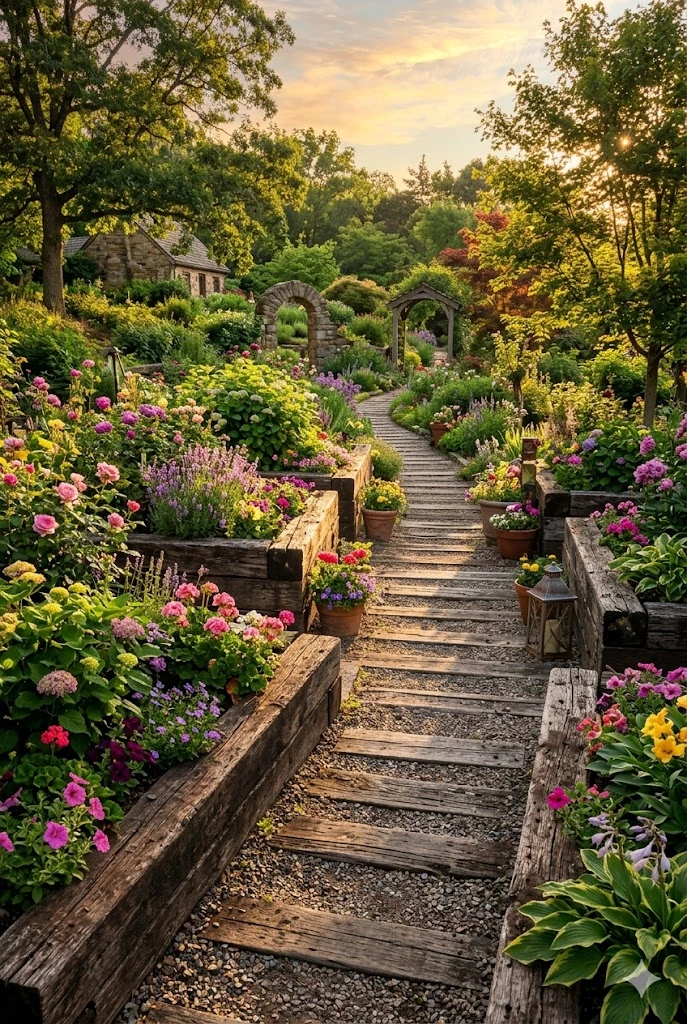
Creative Uses for Railroad Ties in Your Landscape
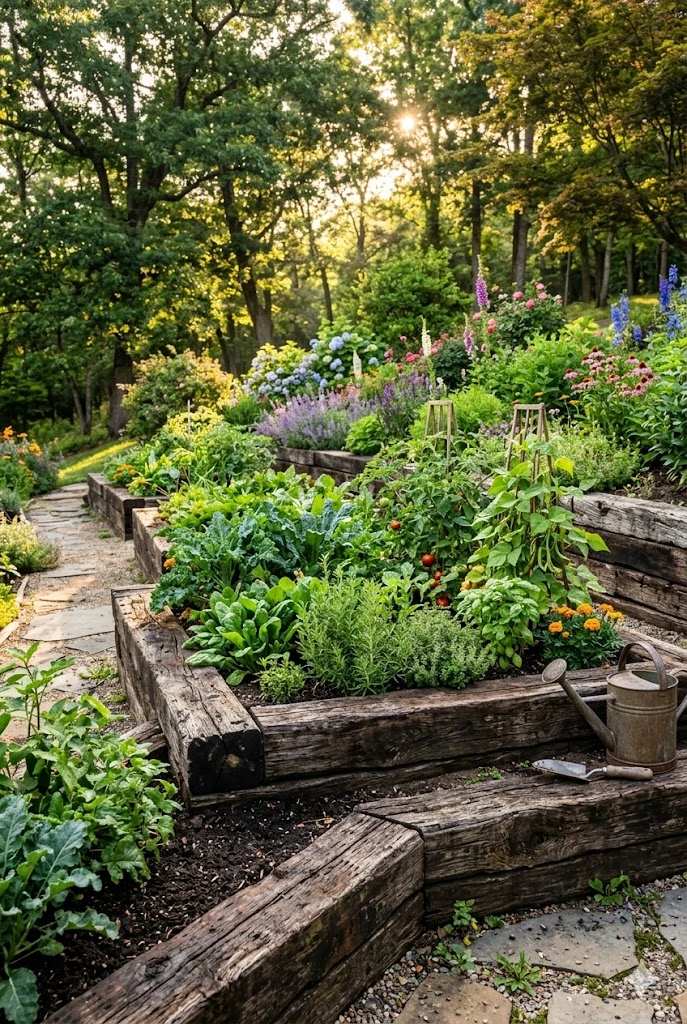
1. Raised Garden Beds
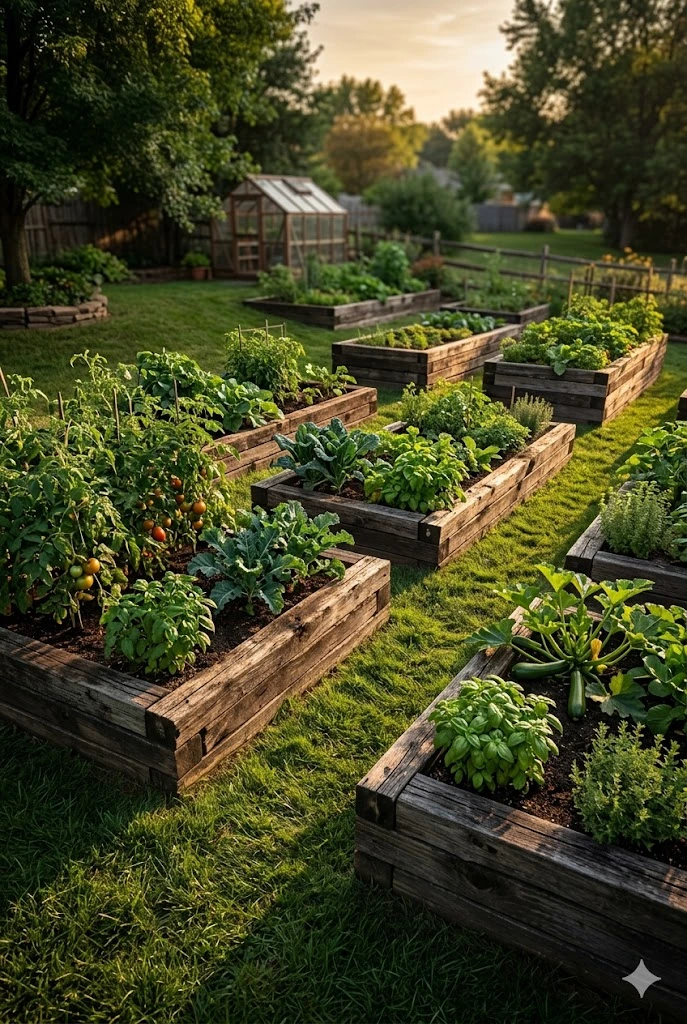
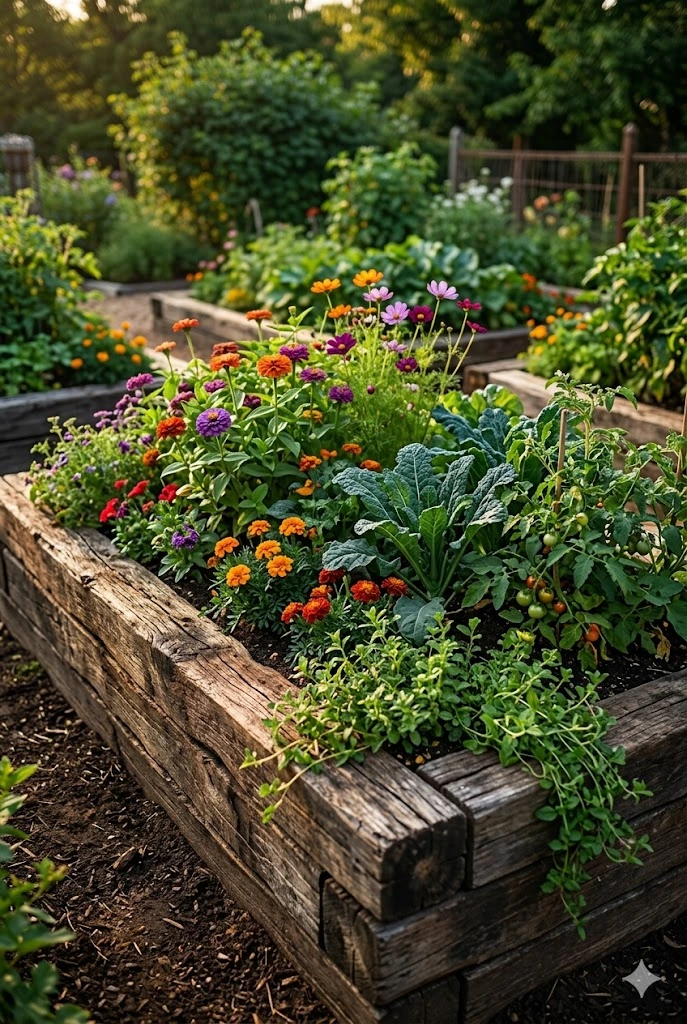
One of the most popular uses for railroad ties is creating raised garden beds. Their strength allows for substantial soil retention and excellent drainage.
- Tip: Stack the ties to your desired height and fill with a rich soil mix for a thriving vegetable or flower garden.
2. Garden Borders
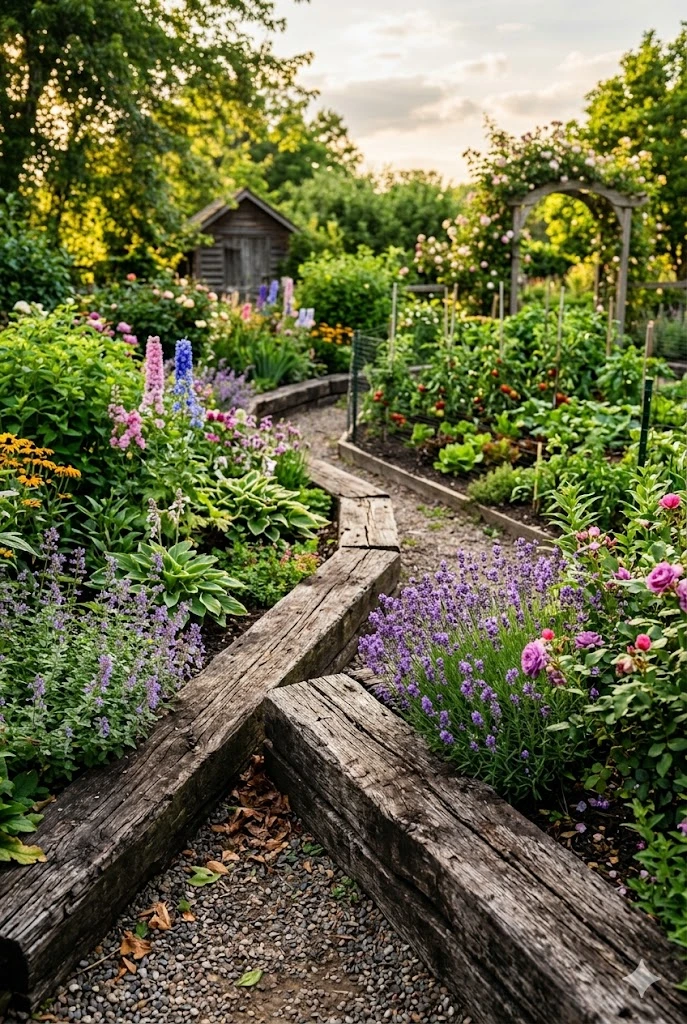
Using railroad ties as borders can define garden areas and paths. They create a clean line while adding a rustic charm.
- Pro Tip: Angle the ties for a more dynamic look or paint them for a pop of color.
3. Pathways
Create a striking pathway by laying railroad ties flat. This not only guides foot traffic but also adds an interesting texture to your garden.
- Tip: Fill the gaps with gravel or ground cover plants to enhance drainage and aesthetics.
4. Retaining Walls
Railroad ties are ideal for building retaining walls, especially on sloped terrains. They effectively hold back soil and prevent erosion.
- Common Mistake: Ensure proper drainage behind the wall to avoid water buildup.
5. Seating Areas
Transform a corner of your yard into a cozy seating area using railroad ties. Stack them to create benches or seat walls.
- Tip: Add cushions or outdoor pillows for comfort without sacrificing style.
6. Fire Pits
Using railroad ties to create a fire pit area can enhance your outdoor gatherings. Arrange them in a circle to form a rustic seating perimeter.
- Safety Note: Ensure a safe distance from flammable materials when placing your fire pit.
7. Steps and Stairs
Elevate your garden with steps made from railroad ties. They provide a sturdy and attractive option for navigating elevation changes.
- Tip: Use ties of varying lengths for a more natural, organic look.
8. Compost Bins
Build a compost bin using railroad ties to keep your composting organized and contained, promoting a healthy garden.
- Pro Tip: Ensure adequate ventilation by leaving spaces between the ties.
9. Decorative Fencing
Railroad ties can serve as fencing to enclose garden areas or create privacy. Their natural look blends well with outdoor environments.
- Tip: Stain or seal the wood to improve longevity and maintain appearance.
10. Edging for Flower Beds
Using shorter pieces of ties can create attractive edging for flower beds. This keeps mulch in place while adding structure.
- Tip: Create curves with the ties for a more inviting look.
More Innovative Ideas Using Railroad Ties
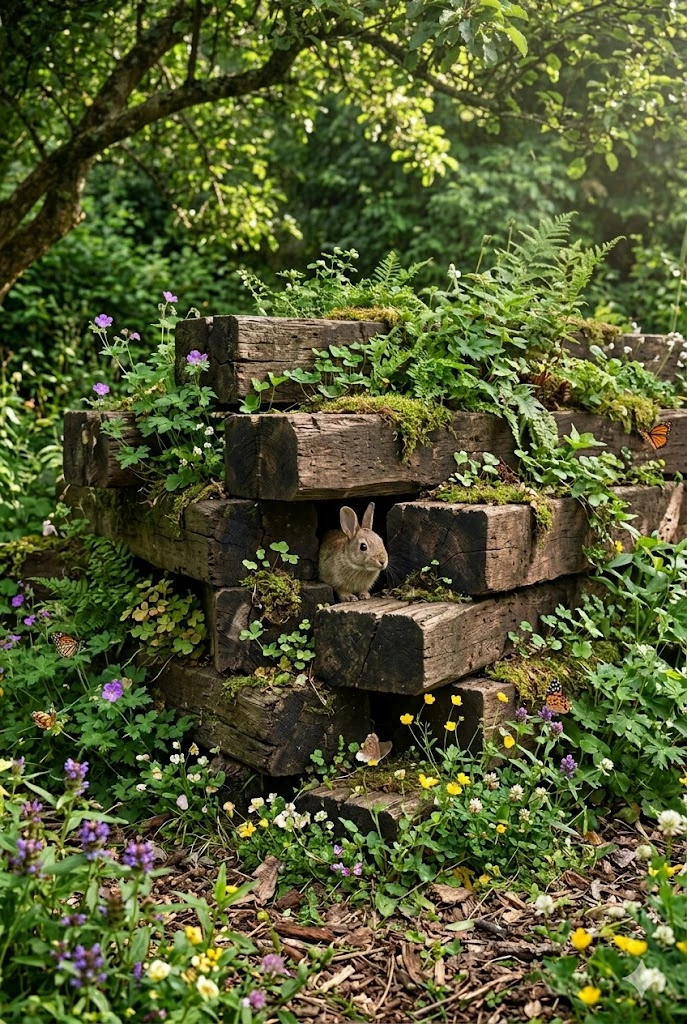
11. Wildlife Habitat
Stack railroad ties in a way that creates nooks for small animals, promoting biodiversity in your yard.
- Pro Tip: Leave some areas natural to attract beneficial insects.
12. Vertical Garden
Use ties vertically to create a unique vertical garden. This not only saves space but also adds visual interest to your landscaping.
- Tip: Use trellises or wire to support climbing plants.
13. Decorative Planters
Transform railroad ties into rustic planters. Cut them to size and hollow them out to create unique containers for your plants.
- Tip: Line the inside with a landscape fabric to retain soil.
14. Garden Bridges
Create a charming garden bridge over a small stream or pathway using railroad ties. It adds a fairy-tale touch to your landscaping.
- Construction Tip: Ensure the bridge is securely anchored for safety.
15. Shade Structures
Build a simple shade structure using railroad ties and fabric or plant vines. This creates a relaxing spot to enjoy your garden.
- Tip: Choose plants that will grow nicely and provide the desired shade.
16. Sandboxes
Railroad ties can be used to create a sandbox for kids. It’s a safe and contained space for play, while also looking great in your yard.
- Safety Tip: Ensure the ties are free from harmful chemicals.
17. Outdoor Art Installations
Get creative with your landscaping by using railroad ties to create sculptures or other artistic installations.
- Inspiration: Combine ties with other materials for mixed-media art.
18. Path Lighting
Incorporate solar lights into your railroad tie pathways for safety and ambiance during evening gatherings.
- Tip: Place lights at varying heights for a whimsical effect.
19. Rustic Trellis
Construct a trellis from railroad ties to support climbing plants, adding height and drama to your garden.
- Pro Tip: Use natural jute or twine to tie plants to the trellis for a cohesive look.
20. Greenhouses
Frame a small greenhouse with railroad ties for a sturdy structure that can withstand the elements.
- Tip: Use clear panels to allow sunlight while protecting plants.
Expert Tips for Working with Railroad Ties
Here are some insider tips to help you get the most out of your railroad tie landscaping projects:
- Preparation: Always check for chemicals. Many older railroad ties are treated with creosote, which can be harmful. Look for untreated options if you plan to use them for vegetable gardens.
- Maintenance: Regularly check for rot and decay. Sealing your ties can extend their life and maintain their appearance.
- Design Considerations: Mix and match sizes and orientations for a more organic and natural look. Don’t be afraid to get creative!
- Placement: Think about sunlight and drainage when placing ties. Positioning can significantly affect plant growth.
Common Questions About Railroad Tie Landscaping
Are railroad ties safe for landscaping?
Untreated railroad ties are generally safe for landscaping. However, treated ties may contain chemicals that can leach into the soil, particularly harmful if used in vegetable gardens.
How long do railroad ties last in landscaping?
With proper care, untreated railroad ties can last 10-20 years, while treated ties can last even longer, depending on conditions.
Can I paint or stain railroad ties?
Yes! Painting or staining can enhance the beauty of your railroad ties and protect them from the elements. Just ensure the products used are safe for outdoor use.
What tools do I need to work with railroad ties?
Basic tools include a saw (for cutting), a sledgehammer (for driving ties into the ground), and landscape fabric (for lining beds). A level and measuring tape are also helpful for precise installations.
Do railroad ties attract pests?
Like any wood, railroad ties can attract pests if not maintained properly. Regular inspections and treatments can help prevent infestations.
Conclusion
Incorporating railroad ties into your landscaping can bring a unique charm and functionality to your garden. With these 24+ genius ideas, you’re equipped to create stunning features that enhance your outdoor space. So, gather your materials and start planning your railroad tie project today—you might just fall in love with your yard all over again!