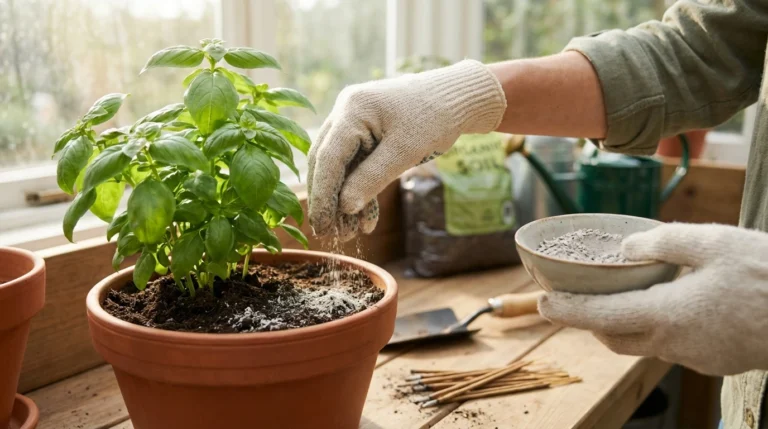
Are you looking to maximize your gardening space while adding beauty and fragrance to your home? Vertical gardening is the perfect solution! It not only saves space but also creates stunning focal points with flowers and herbs. Whether you have a small balcony, a tiny backyard, or simply want to beautify your indoor space, vertical gardening can transform your area into a lush paradise. Let’s dive into over 20 creative vertical gardening ideas that will inspire you to get planting!
Quick Answer
Vertical gardening allows you to grow flowers and herbs in limited spaces by utilizing walls, fences, and other vertical structures. This method enhances aesthetics and functionality, making it ideal for small areas.
Vertical Gardening Basics
Before we jump into the creative ideas, let’s cover some essentials about vertical gardening.
What is Vertical Gardening?
Vertical gardening involves growing plants upwards rather than outwards. This technique is perfect for maximizing limited space and can be done using various structures like trellises, wall planters, and living walls.
Benefits of Vertical Gardening
- Space-Saving: Ideal for urban areas or small gardens.
- Improved Airflow: Reduces the risk of diseases.
- Enhanced Aesthetics: Creates a visual impact in any space.
- Accessibility: Easier to tend to and harvest plants.
20+ Creative Vertical Gardening Ideas
Here’s a collection of inspiring vertical gardening ideas that cater to both flowers and herbs.
1. Pallet Vertical Garden
Repurpose wooden pallets by standing them upright and filling each section with soil and plants. This rustic look is perfect for herbs and can be painted for added flair.
2. Wall-Mounted Planters
Attach small planters directly to your walls. These can be arranged in a pattern or random order to create a unique display of flowers or herbs.
3. Hanging Bottles
Use old plastic bottles or glass jars as hanging planters. Cut the bottoms off, fill them with soil, and hang them using twine or chains for a whimsical look.
4. Ladder Garden
Old wooden ladders can be used as a vertical garden by placing pots on each step. This adds height and dimension to your planting.
5. Trellis Garden
Install a trellis against a wall or fence and grow climbing flowers like sweet peas or herbs like climbing beans. This offers both beauty and practicality.
6. Shoe Organizer Planter
Repurpose a shoe organizer by filling the pockets with soil and planting herbs or small flowers. Hang it on a door or wall for a fun and functional garden.
7. Vertical Greenhouse
For those with limited space, a vertical greenhouse can be an excellent solution. These structures allow you to grow various plants in a compact design while protecting them from harsh weather.
8. Gutter Garden
Attach sections of rain gutters to a wall and fill them with soil and flowers or herbs. This is a creative way to utilize vertical space and can be easily customized.
9. Vertical Garden Frame
Create a frame using wood, metal, or PVC pipes and hang pots or planters from it. This can be a striking centerpiece in your garden or patio.
10. Herb Spiral
Build a spiral garden using stones or bricks. The spiral design allows for different herbs to thrive in varying moisture and sunlight conditions.
11. Living Wall
Install a living wall system that holds a variety of plants. These can be pre-planted and watered automatically, making maintenance easy.
12. Fabric Planters
Use fabric grow bags that can be hung on walls or fences. These are breathable and excellent for growing herbs or small flowers.
13. Hanging Baskets
Hang baskets filled with trailing flowers or herbs from hooks or beams. This adds a vertical dimension and can soften hard surfaces.
14. Wire Mesh Planter
Attach wire mesh to a wall, fill it with soil, and plant herbs or small flowers. This allows for a creative and artistic look as plants grow through the mesh.
15. Metal Railing Planters
If you have a balcony, consider railing planters designed to fit over your balcony railing. These can be filled with colorful flowers or fragrant herbs.
16. Vertical Fabric Wall Planters
Invest in or DIY a vertical fabric wall planter. These typically have pockets for plants and can be hung indoors or outdoors.
17. PVC Pipe Planters
Use PVC pipes cut in half and mounted vertically to create unique planters. This is a modern and efficient way to grow herbs and flowers.
18. Old Crates or Boxes
Stack old crates or wooden boxes and fill them with soil. This is a charming way to create a vertical garden that can also act as a rustic décor element.
19. Vertical Succulent Garden
For a trendy look, create a vertical garden using various succulents. Their low maintenance requirements make them perfect for vertical spaces.
20. Vertical Garden with Drip Irrigation
Consider installing a drip irrigation system for your vertical garden. This ensures your plants receive adequate water without the hassle of manual watering.
Expert Tips for Successful Vertical Gardening
To ensure your vertical garden thrives, keep these expert tips in mind:
- Choose the Right Plants: Select plants that suit your vertical garden’s light conditions and climate.
- Consider Weight: Ensure that the structure can support the weight of the soil and plants.
- Watering Needs: Vertical gardens may dry out faster, so pay attention to watering, especially in hot weather.
- Soil Selection: Use lightweight soil mixes designed for container gardening to make maintenance easier.
- Regular Maintenance: Prune and deadhead regularly to keep plants healthy and encourage growth.
Common Questions (FAQ)
1. What flowers are best for vertical gardens?
Some great options include petunias, nasturtiums, and climbing roses for color and fragrance.
2. Can I grow herbs vertically?
Absolutely! Herbs like basil, oregano, and thyme thrive in vertical gardens and are easy to maintain.
3. How do I water a vertical garden?
Drip irrigation is ideal, but you can also use a watering can or hose to ensure all plants receive adequate moisture.
4. Is vertical gardening expensive?
It can be budget-friendly if you repurpose materials and use DIY methods. Pre-made systems may cost more but save time.
5. How much sunlight do vertical gardens need?
Most flowers and herbs require at least 6-8 hours of sunlight daily, so choose a location accordingly.
Conclusion
Vertical gardening opens up a world of possibilities for both flowers and herbs. With creative ideas and practical tips, you can easily transform any space into a vibrant garden oasis. Whether you opt for a DIY approach or invest in modular systems, the joy of growing your own plants vertically is both rewarding and visually stunning. Get started today, and watch your vertical garden bloom!