Hibiscus plants are celebrated for their stunning blooms and vibrant colors, making them a favorite among gardeners. However, one question that often arises is whether these beautiful plants prefer acidic soil. Understanding the soil preferences of hibiscus can significantly impact their growth and flowering potential. Let’s dive deep into the world of hibiscus care, soil composition, and how acidity plays a role in creating a thriving environment for these lovely plants.
Quick Answer
Hibiscus plants generally prefer slightly acidic to neutral soil, with a pH range of 6.0 to 7.0. While they can tolerate a variety of soil types, maintaining the right pH level is crucial for optimal growth and blooming.
Understanding Hibiscus and Soil Preferences
Hibiscus is a diverse genus that includes both tropical and hardy varieties. Each type has its specific requirements, but many share a common preference for well-draining soil that retains some moisture. The pH level of the soil, which measures its acidity or alkalinity, plays a significant role in nutrient availability, plant health, and overall vigor.
Why Soil pH Matters
Soil pH affects several key factors that influence plant health:
- Nutrient Availability: Different nutrients are more readily available at certain pH levels. For hibiscus, essential nutrients like nitrogen, phosphorus, and potassium are best absorbed in slightly acidic to neutral conditions.
- Root Health: The right pH promotes a healthy root system, which is vital for nutrient uptake and overall plant stability.
- Microbial Activity: Beneficial soil microbes thrive at specific pH levels, aiding in decomposition and nutrient cycling.
Ideal Soil Conditions for Hibiscus
To ensure your hibiscus thrives, consider these soil conditions:
- Soil Type: Well-draining soil is critical. A mix of loam, peat, and perlite works well.
- Moisture Retention: While hibiscus enjoys moisture, overly wet soil can lead to root rot. Ensure good drainage.
- Organic Matter: Incorporating organic matter like compost can improve soil structure, nutrient content, and moisture retention.
Testing Soil pH
Before planting or adjusting your soil, it’s essential to test its pH. Here’s how you can do it:
- Purchase a Soil pH Test Kit: Available at garden centers, these kits are user-friendly and provide quick results.
- Collect Soil Samples: Take samples from different areas of your garden for a comprehensive analysis.
- Follow Instructions: Use the kit as directed to determine your soil’s pH level.
Adjusting Soil pH
If your soil is outside the ideal range for hibiscus, you can adjust it:
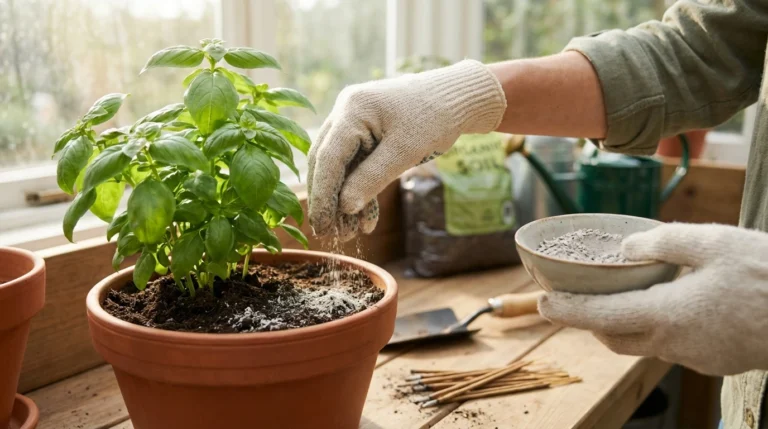
- To Lower pH: Add materials like sulfur or peat moss. These amendments help increase acidity.
- To Raise pH: Lime is commonly used to reduce acidity and bring soil closer to neutral.
Common Mistakes When Growing Hibiscus
Even seasoned gardeners can make mistakes when it comes to hibiscus care. Here are some common pitfalls to avoid:
- Neglecting Soil Quality: Failing to check or amend soil pH can lead to poor growth.
- Overwatering: Hibiscus prefers moist soil but does not thrive in soggy conditions.
- Ignoring Fertilization Needs: Regular feeding with a balanced fertilizer supports robust growth and flowering.
Expert Tips for Growing Healthy Hibiscus
To take your hibiscus growing game to the next level, consider these expert tips:
- Choose the Right Variety: Depending on your climate, select either tropical or hardy hibiscus that suits your growing conditions.
- Mulching: Apply a layer of mulch around the base to retain moisture and regulate soil temperature.
- Regular Pruning: Prune hibiscus in early spring to encourage bushier growth and more blooms.
Ideas for Hibiscus Enthusiasts
Here are some inspiring ideas to incorporate hibiscus into your gardening plans:
- Hibiscus Hedge: Create a stunning privacy screen with a row of colorful hibiscus plants.
- Container Gardens: Use large pots filled with well-draining soil to grow hibiscus on patios or balconies.
- Mixed Flower Beds: Pair hibiscus with other perennials for a vibrant garden display throughout the seasons.
Common Questions About Hibiscus and Soil pH
1. Can hibiscus grow in alkaline soil?
Hibiscus can tolerate slightly alkaline conditions but may not thrive as well. Aim for a pH between 6.0 and 7.0 for optimal growth.
2. How often should I test my soil?
Testing your soil every 1-2 years is recommended to ensure optimal pH levels and nutrient availability.
3. What are signs of poor soil pH in hibiscus?
Symptoms include yellowing leaves, stunted growth, and reduced flowering. These can indicate nutrient deficiencies due to pH imbalances.
4. Can I use garden center potting soil for hibiscus?
Yes, but ensure it is well-draining. You may want to amend it with perlite or sand for better drainage.
5. What is the best fertilizer for hibiscus?
A balanced fertilizer with an N-P-K ratio of 10-10-10 or 20-20-20 works well. Look for slow-release options for continuous feeding.
Conclusion
Understanding the soil preferences of hibiscus is crucial for their successful growth and flowering. By ensuring you provide slightly acidic to neutral soil, along with proper care and attention, you can enjoy the breathtaking blooms that hibiscus has to offer. Remember to test your soil regularly, make necessary adjustments, and embrace the beauty of these stunning plants in your garden.