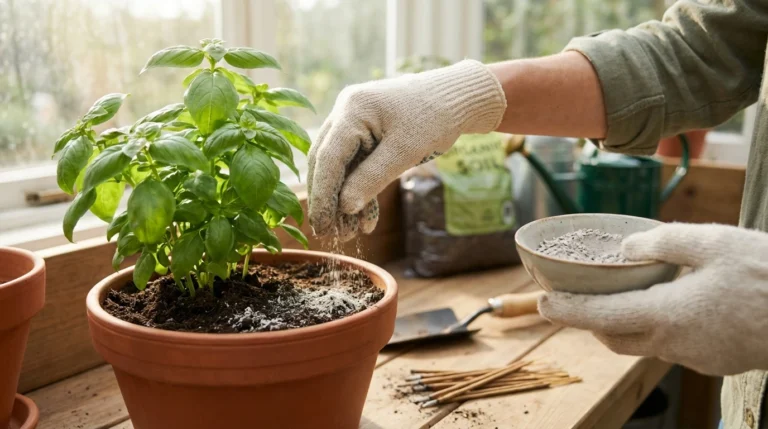
Growing succulents from seeds can be a rewarding and fulfilling project, especially for gardening enthusiasts looking to expand their collection without spending a fortune. However, diving into the world of seed propagation can seem daunting. With the right approach, you can cultivate a stunning array of these resilient plants right from the comfort of your home. Whether you’re a novice gardener or an experienced green thumb, this guide will walk you through the easy steps to successfully grow succulents from seeds.
Quick Answer
To grow succulents from seeds, start by selecting high-quality seeds from reputable sources. Use a well-draining soil mix, plant the seeds in small containers, and provide adequate light and moisture. Patience is key; germination can take anywhere from a few days to several weeks.
Understanding Succulent Seeds
Before you start planting, it’s important to understand what makes succulent seeds unique. Succulents are known for their thick, fleshy leaves that store water, making them resilient in dry conditions. Their seeds can vary widely in size, shape, and germination requirements depending on the species. Here’s what you need to know:
Types of Succulent Seeds
- Mesembs: These seeds require light for germination and are often very small.
- Cacti: They tend to have a longer germination period and may need specific temperature and moisture conditions.
- Leafy Succulents: These can be easier to grow and often have larger seeds.
Choosing the Right Seeds
When selecting seeds, look for reputable sellers who specialize in succulents. Consider the following factors:
- Species: Choose varieties that you are interested in and that thrive in your climate.
- Quality: Opt for fresh seeds with high germination rates.
- Source: Purchase from trusted nurseries or online retailers with good reviews.
Essential Supplies
Gathering the right supplies can make the seed-growing process much smoother. Here’s a list of what you’ll need:
- Seed trays or small pots: Ensure they have drainage holes.
- Soil mix: Use a well-draining succulent or cactus mix.
- Watering can or spray bottle: For gentle watering.
- Plastic wrap or a humidity dome: To maintain moisture during germination.
- Grow lights or a sunny window: To provide adequate light.
Step-by-Step Guide to Growing Succulents from Seeds
Step 1: Preparing the Soil
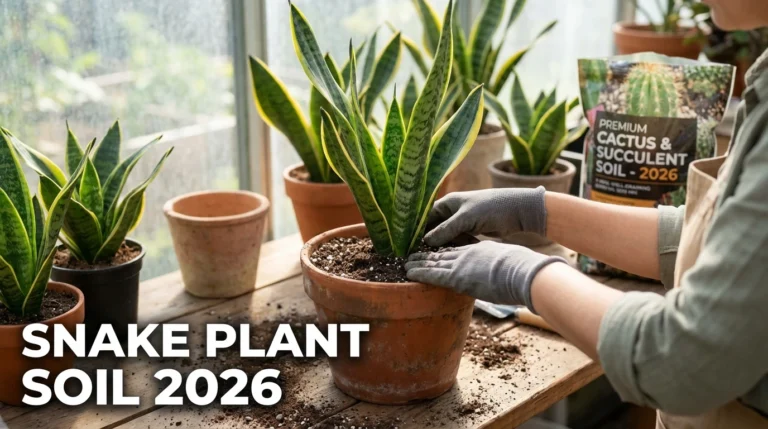
Start by preparing your soil mix. You can buy pre-made cactus soil or create your own by mixing regular potting soil with perlite or sand. This will ensure excellent drainage, which is crucial for succulent health.
Step 2: Sowing the Seeds
Once your soil is ready, fill your seed trays or pots with the mix, leaving about half an inch of space at the top. Here’s how to sow your seeds:
- Moisten the soil: Lightly water the soil to ensure it’s damp but not soggy.
- Sow the seeds: Scatter the seeds on top of the soil. For tiny seeds, you can use a toothpick to help place them.
- Cover lightly: If the seeds are larger, cover them with a thin layer of soil. For smaller seeds, simply leave them on the surface.
Step 3: Creating a Humid Environment
Succulent seeds thrive in high humidity during germination. Cover your trays with plastic wrap or use a humidity dome. This helps retain moisture while preventing mold growth. Check daily and remove the cover once you see sprouts.
Step 4: Providing Light
After sowing your seeds, place them in a location that receives bright, indirect light. If you’re using grow lights, position them about 2-3 inches above the seedlings to ensure they get enough light without overheating.
Step 5: Watering Your Seeds
Watering is crucial but should be done carefully. Use a spray bottle to mist the soil surface, keeping it moist but not waterlogged. Overwatering can lead to rot, which is the enemy of healthy seedlings.
Patience and Care
Germination can take anywhere from a few days to several weeks, depending on the species of succulent. During this period, keep the soil moist and maintain a warm environment. Here are some insights as you wait:
Temperature Considerations
Most succulent seeds germinate best at temperatures between 70°F to 80°F (21°C to 27°C). If your home is cooler, consider using a heat mat to maintain optimal conditions.
Thinning Seedlings
Once your seedlings have developed their first true leaves, it’s time to thin them out. This means removing the weaker seedlings to give the stronger ones space to grow. Use scissors to snip the weak ones at the base, rather than pulling them out, which can disturb the roots of the others.
Creative Ideas for Succulent Display
As your succulents grow, consider how you want to display them. Here are some creative ideas to inspire you:
- Terrariums: Create a mini desert landscape in glass containers.
- Hanging Planters: Use macrame hangers to add a bohemian touch.
- Succulent Wall Art: Design a living wall with a variety of succulents.
- Table Centerpieces: Arrange them in decorative bowls or trays for a stunning display.
- Gift Kits: Assemble succulent planting kits as thoughtful gifts for friends.
Expert Tips for Successful Succulent Growing
1. Be Patient with Germination
Some varieties take longer to germinate than others. Patience is key—don’t give up if you don’t see results immediately!
2. Use a Sterile Soil Mix
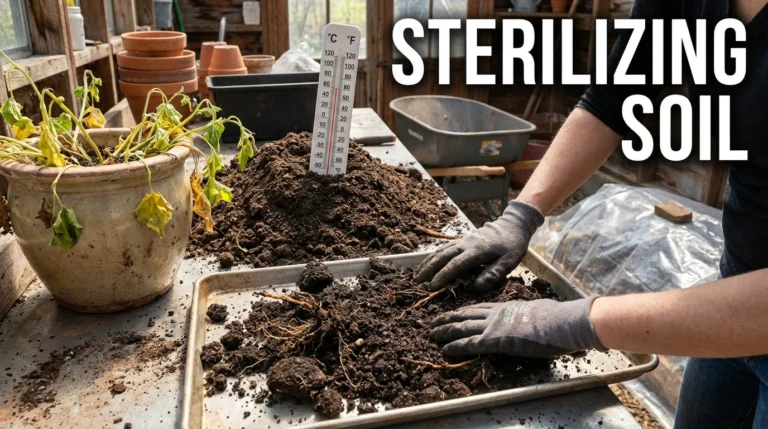
To prevent diseases, always use a clean and sterile soil mix. You can sterilize your mix by baking it in the oven at low temperatures.
3. Avoid Overwatering
It’s better to underwater than overwater. Once established, succulents prefer drying out between waterings.
4. Fertilize Sparingly
Once your seedlings are a few months old, you can start fertilizing them with a diluted succulent fertilizer during the growing season.
5. Monitor for Pests
Watch for pests like mealybugs and aphids. If you spot them, treat your plants with insecticidal soap or neem oil.
Common Questions About Growing Succulents from Seeds
1. How long does it take for succulent seeds to germinate?
Germination can take anywhere from a few days to several weeks, depending on the succulent species.
2. Can I use regular potting soil for succulents?
Regular potting soil is often too dense for succulents. It’s best to use a specialized cactus or succulent mix.
3. Should I cover the seeds after planting?
Yes, covering the seeds with a plastic wrap or humidity dome helps retain moisture during germination.
4. What type of light do succulent seeds need?
Succulent seeds require bright, indirect light for optimal growth. Grow lights can also be beneficial.
5. Can I propagate succulents from cuttings instead of seeds?
Yes, many succulents can be propagated from leaf or stem cuttings, which is often faster than growing from seeds.
Conclusion
Growing succulents from seeds can be an enjoyable and satisfying endeavor that allows you to connect with nature. With the right care and attention, you can create a beautiful collection of these hardy plants. Don’t hesitate to experiment with different species and enjoy the process of watching your seedlings thrive. Happy planting!