Let’s dive into the fascinating world of Kalanchoe Millotii. If you’ve ever admired its charming, fuzzy leaves and delicate flowers, you’re not alone. This succulent, native to Madagascar, is not just visually appealing; it’s also relatively easy to care for and propagate. Whether you’re a seasoned gardener or just starting out, understanding how to nurture and multiply this plant can enhance your collection and brighten your living space. Get ready to learn all about its care requirements, propagation techniques, and common challenges!
Quick Answer
Kalanchoe Millotii is propagated through leaf cuttings or offsets, and thrives in bright, indirect sunlight with well-draining soil. Regular watering is crucial, allowing the soil to dry out between waterings. Fertilizing during the growing season can promote healthy growth and flowering.
Understanding Kalanchoe Millotii
Before jumping into care and propagation, let’s explore what makes Kalanchoe Millotii special. This succulent features stunning, oval-shaped leaves with a soft, fuzzy texture and can produce lovely clusters of yellow flowers. Known for its resilience, Kalanchoe Millotii is an ideal choice for both indoor and outdoor gardens.
Origin and Characteristics
- Native Habitat: Madagascar
- Leaf Description: Fuzzy, oval leaves with a bluish-green color
- Flowering: Bright yellow flowers, typically bloom in clusters
Essential Care Requirements
Caring for Kalanchoe Millotii is straightforward, but attention to its specific needs can lead to thriving plants. Here’s a detailed guide to ensure your succulent flourishes.
Light Requirements
Kalanchoe Millotii enjoys bright, indirect sunlight. Here are some tips to ensure optimal light exposure:
- Place it near a window where it receives filtered light.
- Avoid direct afternoon sun, which can scorch the leaves.
- Rotate the pot occasionally to promote even growth.
Soil Type
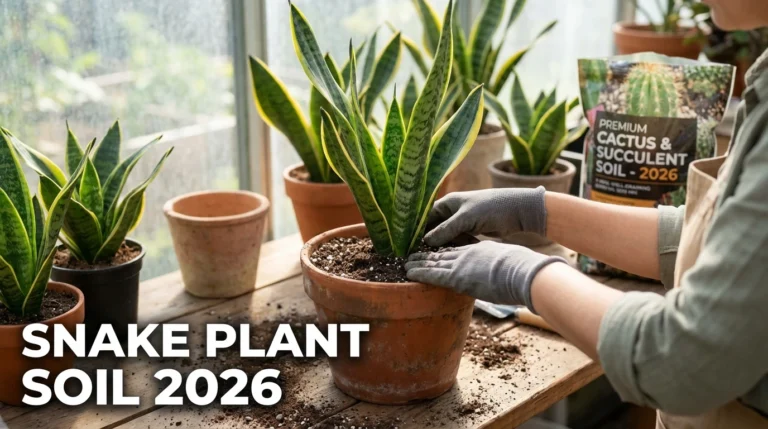
Well-draining soil is crucial for Kalanchoe Millotii. Here’s what to consider:
- Use a cactus or succulent mix for optimal drainage.
- Consider adding perlite or sand to enhance aeration.
- Avoid heavy soils that retain moisture.
Watering Needs
Watering can be tricky, but following these guidelines will keep your plant healthy:
- Allow the top inch of soil to dry out completely before watering.
- Water thoroughly until it drains from the bottom.
- Reduce watering frequency in the winter months when growth slows.
Temperature and Humidity
Kalanchoe Millotii thrives in warm environments. Here’s how to create the ideal climate:
- Maintain temperatures between 60°F to 75°F (15°C to 24°C).
- Avoid frost; bring indoors if temperatures drop below 50°F (10°C).
- Low humidity is preferred; this plant is drought-tolerant.
Fertilizing
Feed your Kalanchoe Millotii during its growing season for robust growth. Here’s how:
- Use a balanced, diluted fertilizer every 4-6 weeks in spring and summer.
- Stop fertilizing in fall and winter.
- Over-fertilizing can lead to leggy growth and reduced blooms.
Propagation Techniques
Propagation is one of the most rewarding aspects of gardening, and Kalanchoe Millotii makes it easy. Here are two effective methods you can use.
Leaf Cuttings
One of the simplest ways to propagate Kalanchoe Millotii is through leaf cuttings. Follow these steps:
- Choose a healthy leaf from the parent plant.
- Using a clean, sharp knife, cut the leaf off at the base.
- Allow the leaf to callous for a day or two in a dry place.
- Place the calloused leaf on well-draining soil, burying the cut end slightly.
- Water sparingly, keeping the soil just slightly moist.
- After a few weeks, roots should develop, and new growth will appear.
Offsets
Kalanchoe Millotii can also produce offsets, or “pups,” at its base. Here’s how to propagate using offsets:
- Look for small plants growing near the parent plant.
- Carefully remove the offset with a clean, sharp knife.
- Allow the offset to callous for a few days.
- Plant in a pot with well-draining soil, watering lightly.
- Place in bright, indirect light until established.
Ideas for Styling Kalanchoe Millotii
If you’re looking for creative ways to display your Kalanchoe Millotii, here are some inspiring ideas:
- Hanging Planters: Use macramé hangers to showcase your plants at varying heights.
- Terrarium Displays: Create a mini desert scene with rocks, sand, and Kalanchoe Millotii.
- Mixed Succulent Arrangements: Combine with other succulents for a vibrant centerpiece.
- Colorful Pots: Choose pots that complement the plant’s fuzzy foliage for added flair.
Common Mistakes to Avoid
A few common pitfalls can hinder the growth of your Kalanchoe Millotii. Here’s what to watch out for:
- Overwatering: A leading cause of succulent death; ensure the soil dries out between waterings.
- Neglecting Light: Insufficient light can lead to leggy growth and fewer blooms.
- Ignoring Pests: Regularly check for mealybugs and aphids that can harm your plant.
Expert Tips for Thriving Kalanchoe Millotii
Here are some insider tips to help your Kalanchoe Millotii thrive:
- Consider rotating your plant every few weeks for even sunlight exposure.
- Try using a moisture meter to gauge when to water accurately.
- Dust the leaves occasionally to keep them clean and help with photosynthesis.
- If you notice leggy growth, consider increasing light exposure.
Common Questions (FAQ)
1. How often should I water Kalanchoe Millotii?
Water your Kalanchoe Millotii when the top inch of soil is dry, approximately every 2-3 weeks during the growing season.
2. Can Kalanchoe Millotii grow indoors?
Yes, Kalanchoe Millotii can thrive indoors as long as it receives bright indirect light and well-draining soil.
3. What pests should I look out for?
Common pests include mealybugs and aphids, which can be managed with neem oil or insecticidal soap.
4. How can I encourage my Kalanchoe Millotii to bloom?
Ensure it receives enough light, provide proper watering, and fertilize during the growing season to promote blooming.
5. Is Kalanchoe Millotii toxic to pets?
Kalanchoe species can be mildly toxic to pets, so it’s best to keep them out of reach of curious animals.
Conclusion
Caring for and propagating Kalanchoe Millotii can be a rewarding experience that adds beauty to your home. With the right light, soil, and watering practices, this succulent can thrive and bring joy for years to come. Whether you’re sharing cuttings with friends or creating a stunning display, your Kalanchoe Millotii will surely be a delightful addition to your plant collection. Happy gardening!