Are you a cactus enthusiast who’s puzzled by the phenomenon of corking? You’re not alone! Many cactus lovers notice their beloved plants developing a corky texture on their stems and often wonder what it means. Understanding cactus corking is essential for proper care and maintenance. This article will explore everything you need to know about cactus corking, from its causes and effects to preventive measures and treatment options. Whether you’re a seasoned gardener or a beginner, these insights will help you keep your cacti healthy and thriving.
What is Cactus Corking?
Cactus corking refers to the development of a cork-like texture on the surface of a cactus stem. This can appear as a rough, brown, or tan area that often resembles bark. Corking is a natural process, but it can also be triggered by environmental stress. Understanding the distinction between natural corking and that which may indicate a problem is crucial for any cactus owner.
The Science Behind Corking
Corking occurs when the plant produces a protective layer of cork cells, known as phelloderm, in response to stressors. This process is similar to how trees develop bark to protect themselves from environmental factors. In cacti, this can be a response to various conditions, including:
- Age: Older cacti often show signs of corking as part of their natural aging process.
- Environmental Stress: Factors like extreme temperatures, inadequate watering, or poor soil quality can lead to corking.
- Pests and Diseases: Infestations or infections may trigger corking as a defense mechanism.
Causes of Cactus Corking
Understanding the causes of cactus corking can help you diagnose and treat your cacti effectively. Here are some common reasons:
1. Environmental Stress
Extreme temperatures, whether hot or cold, can stress cacti. For instance, if a cactus experiences a sudden drop in temperature, it may respond by corking to protect itself from potential damage.
2. Watering Issues
Overwatering or underwatering can lead to corking. Cacti thrive in well-draining soil and should be watered sparingly. Consistent moisture can cause root rot, leading to stress and corking.
3. Soil Quality
Poor soil conditions can significantly affect cactus health. Soil that retains too much moisture or lacks essential nutrients may cause the plant to cork as it struggles to survive.
4. Pest Infestation
Common pests like mealybugs or spider mites can weaken your cactus, triggering corking. These pests drain the plant’s resources, leading to stress responses.
5. Diseases
Cactus diseases, such as bacterial or fungal infections, can also lead to corking. If your cactus is infected, it may develop corky areas as a response to the infection.
Identifying Corking vs. Other Issues
It’s essential to differentiate corking from other potential issues like sunburn or rot. Here’s how to identify corking:
Signs of Corking
- Corky texture that develops gradually.
- Brown or tan patches on the stem.
- Increased firmness in the affected area.
Signs of Other Issues
- Sunburn: Typically appears as white or brown spots, often in areas exposed to direct sunlight.
- Root Rot: May cause the plant to become mushy or discolored, often accompanied by a foul odor.
- Pest Damage: Look for visible pests or webbing, along with a decrease in overall plant vigor.
Preventing Cactus Corking
While corking can be a natural occurrence, there are several steps you can take to minimize the risk:
1. Provide Proper Watering
Ensure you water your cactus according to its specific needs. Allow the soil to dry completely between waterings, and always use well-draining soil to prevent moisture retention.
2. Monitor Temperature
Keep your cacti in a stable environment, ideally between 70°F to 100°F (21°C to 38°C) during the growing season and slightly cooler during dormancy. Avoid placing them in drafty areas or exposing them to sudden temperature changes.
3. Use Quality Soil
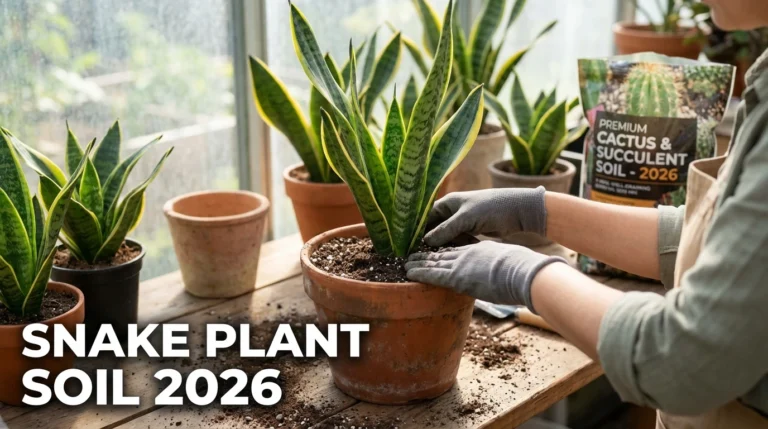
Opt for a specialized cactus mix that allows for proper drainage. Additionally, adding perlite or sand can improve soil aeration and prevent compaction.
4. Regular Inspections
Check your cacti regularly for signs of pests or diseases. Early detection can make a significant difference in treatment and prevention.
5. Provide Adequate Light
Cacti thrive in bright, indirect sunlight. Ensure they’re receiving enough light, but avoid direct exposure during the hottest part of the day to prevent sunburn.
Treating Corking in Cacti
If you notice corking on your cactus, here are some steps to help treat the issue:
1. Assess the Cause
Before taking action, determine the underlying cause of the corking. This will guide your treatment approach effectively.
2. Adjust Watering Practices
If overwatering is the issue, reduce your watering frequency. If underwatering is suspected, gradually increase it, ensuring the soil dries out completely between sessions.
3. Improve Soil Conditions
If the soil quality is poor, consider repotting your cactus into a fresh, well-draining cactus mix. This can help rejuvenate the plant and promote healthy growth.
4. Pest Control
If pests are present, treat your cactus with an appropriate insecticide or explore natural remedies like neem oil. Make sure to follow instructions carefully to avoid harming the plant.
5. Isolate Affected Plants
If you suspect a disease or severe pest infestation, isolate the affected cactus from others to prevent spreading the issue.
Ideas for Cactus Corking Management
Here are some creative ideas to inspire your cactus care routine:
- Create a Watering Schedule: Use a calendar or app to track your cactus watering days.
- DIY Pest Control: Make a natural pest spray using water, dish soap, and essential oils.
- Decorative Pots: Choose pots with drainage holes and unique designs to enhance your cactus display.
- Sunlight Tracking: Use a light meter app to ensure your cactus is getting optimal light exposure.
- Cactus Journal: Keep a journal to track your cacti’s growth, watering, and any corking occurrences.
Expert Tips for Cactus Care
To further enhance your cactus care routine, consider these expert tips:
1. Fertilize Wisely
During the growing season, use a diluted cactus fertilizer every 4-6 weeks. This can help provide essential nutrients and support healthy growth.
2. Understand Dormancy
Cacti typically enter dormancy during winter. During this time, reduce watering and avoid fertilizing to allow them to rest properly.
3. Choose Companion Plants Carefully
If you’re creating a mixed succulent arrangement, ensure your cacti are paired with plants that have similar water and light needs to avoid stressing them.
4. Stay Informed
Join cactus and succulent communities online or at local gardening centers. Sharing experiences and tips can provide valuable insights and support.
Common Questions About Cactus Corking
1. Is corking harmful to my cactus?
Corking can be a natural process and may not harm your cactus. However, if it’s caused by stress, it’s essential to address the underlying issues to ensure your plant remains healthy.
2. Can I prevent corking completely?
While you can minimize the risk of corking through proper care, it’s essential to understand that some degree of corking may occur as your cactus ages.
3. How can I tell if my cactus is healthy despite corking?
Look for signs of new growth, vibrant color, and firm texture. If your cactus is growing well and showing no signs of pest or disease, it is likely healthy.
4. What should I do if my cactus starts to rot?
If you notice rot, immediately stop watering and assess the root system. If the roots are mushy, you may need to cut away the affected areas and repot the cactus in fresh soil.
5. Are all cacti prone to corking?
Not all cacti will experience corking, but many species can develop this characteristic as they mature or if they encounter stressors.
Conclusion
Cactus corking is a fascinating yet often misunderstood phenomenon in the world of cactus care. By understanding its causes and implementing preventive measures, you can keep your cacti healthy and vibrant. Remember to monitor environmental conditions, practice proper watering, and stay vigilant against pests. With these tips, you’ll be well on your way to nurturing healthy, happy cacti for years to come!