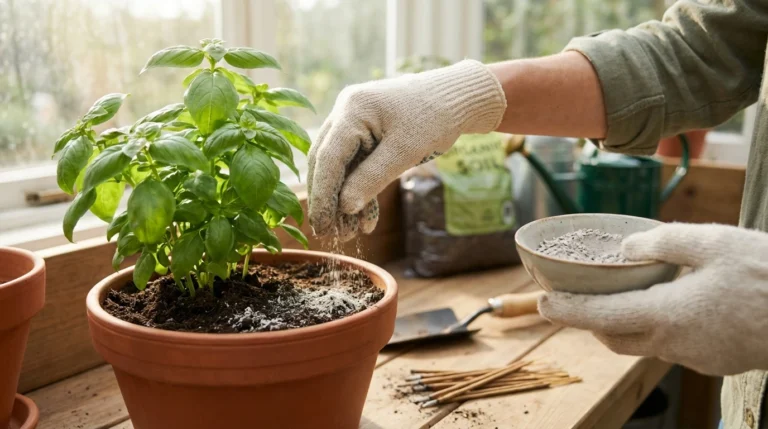
When gardening or managing soil health, dolomite lime often comes up as a popular amendment. Many gardeners wonder if they can mix dolomite lime with water for easier application. Understanding the properties of dolomite lime, its benefits, and how to properly use it can significantly enhance your gardening experience. In this comprehensive guide, we will explore the science behind dolomite lime, its uses, and whether mixing it with water is beneficial.
What is Dolomite Lime?
Dolomite lime is a soil amendment made from crushed dolomite rock, which contains both calcium carbonate and magnesium carbonate. This mineral not only helps in balancing soil pH but also supplies essential nutrients to plants, making it a staple in gardening.
Benefits of Dolomite Lime
- pH Adjustment: Dolomite lime can raise the pH of acidic soils, creating a more favorable environment for plant growth.
- Nutrient Supply: It provides calcium and magnesium, vital for plant health and development.
- Improved Soil Structure: Enhancing soil aeration and drainage, dolomite lime promotes healthier root systems.
- Reduced Soil Erosion: By improving soil structure, it helps reduce erosion caused by water runoff.
Can You Mix Dolomite Lime with Water?
Yes, you can mix dolomite lime with water, but there are specific considerations to keep in mind. Mixing it with water can create a slurry, making it easier to distribute, especially in larger areas. However, it’s essential to know how this method affects the effectiveness of the lime.
How to Prepare Dolomite Lime Slurry
Creating a dolomite lime slurry involves a few simple steps:
- Gather Materials: You will need dolomite lime, water, a mixing container, and a stirrer.
- Mixing Ratio: The typical ratio is one part dolomite lime to three parts water, but this can vary based on specific needs.
- Mix Thoroughly: Stir the mixture until the dolomite lime is fully dissolved, creating a uniform slurry.
- Application: Use the slurry immediately for best results, applying it directly to the soil or the base of your plants.
Advantages of Using a Lime Slurry
Using a dolomite lime slurry can offer several advantages:
- Enhanced Absorption: A slurry can penetrate the soil more easily than dry lime, allowing for better absorption of nutrients.
- Uniform Distribution: It ensures more even coverage across the soil, preventing localized pH issues.
- Quick Action: The nutrients can become available to plants more quickly since they are already in a dissolved form.
Common Mistakes When Mixing Dolomite Lime with Water
While mixing dolomite lime with water can be beneficial, some common mistakes can hinder effectiveness:
- Using Too Much Water: Adding excessive water can dilute the lime’s effectiveness and make it less potent.
- Inadequate Mixing: Failing to mix thoroughly can lead to clumps that do not dissolve, resulting in uneven application.
- Delayed Application: Allowing the slurry to sit for too long can cause it to settle, making it less effective.
When to Use Dolomite Lime in Your Garden
Strategic timing can maximize the benefits of dolomite lime. Here are the ideal situations for using it:
- Before Planting: Applying dolomite lime before planting helps prepare the soil for optimal growth.
- During Soil Testing: If a soil test indicates low pH or nutrient levels, applying dolomite lime can help correct these issues.
- Seasonal Application: Early spring or fall are great times to amend your soil with dolomite lime.
Expert Tips for Using Dolomite Lime
To maximize the benefits of dolomite lime, consider these expert tips:
- Test Your Soil: Conduct a soil test to determine the current pH and nutrient levels before application.
- Apply Gradually: If treating a large area, apply dolomite lime in stages to avoid over-application.
- Watch the Weather: Avoid applying before heavy rain, as leaching can occur, washing away the nutrients.
Common Questions About Dolomite Lime
1. How often should I apply dolomite lime?
Generally, dolomite lime can be applied once every few years, depending on soil conditions. Regular soil testing can help determine the need for reapplication.
2. Can I use dolomite lime on all plants?
While most plants benefit from dolomite lime, some, like blueberries and azaleas, prefer acidic soils. Always check specific plant needs before application.
3. Is there a difference between dolomite lime and regular lime?
Yes, dolomite lime contains magnesium in addition to calcium carbonate, making it more beneficial for magnesium-deficient soils.
4. Can I use dolomite lime in container gardens?
Absolutely! Just be cautious with the amount, as container gardens have limited soil volume and can easily become imbalanced.
5. What happens if I use too much dolomite lime?
Excessive dolomite lime can lead to overly alkaline soils, which can hinder nutrient absorption and negatively affect plant growth.
Conclusion
Mixing dolomite lime with water can be a practical solution for enhancing soil health and improving your garden’s overall productivity. By understanding how to create a slurry and when to apply it, you can ensure your plants receive the nutrients they need for optimal growth. Remember to test your soil regularly and apply dolomite lime judiciously for the best results. Happy gardening!