Hibiscus plants are known for their stunning blooms and vibrant colors, making them a favorite among gardeners. If you’ve ever wondered about the best ways to nourish these beautiful plants, you might have come across the idea of using coffee grounds. Many people swear by this method, but is it really beneficial for hibiscus? Beyond just a simple yes or no, there’s a wealth of information to explore regarding the use of coffee grounds in hibiscus care. Let’s dive in!
Quick Answer
Yes, hibiscus plants can benefit from coffee grounds as they provide essential nutrients like nitrogen. However, it’s important to use them correctly to avoid potential problems. Coffee grounds can enhance soil structure, improve drainage, and attract beneficial organisms when used properly.
The Benefits of Coffee Grounds for Hibiscus
Understanding how coffee grounds impact hibiscus plants involves looking at their nutritional profile and how they interact with soil health. Here are some key benefits:
Nutrient Boost
- Nitrogen: Coffee grounds are rich in nitrogen, a crucial nutrient that promotes lush foliage and vibrant flowers.
- Other Nutrients: They also contain small amounts of potassium, phosphorus, and magnesium, contributing to overall plant health.
Soil Structure Improvement
Adding coffee grounds to your garden soil can enhance its structure. Here’s how:
- Drainage: The grounds help improve soil aeration and drainage, which is vital for hibiscus roots.
- Water Retention: They can also retain moisture, ensuring that your hibiscus has a steady supply of water.
Attracting Beneficial Microorganisms
Coffee grounds can foster a healthy ecosystem in your garden:
- Worms: These grounds can attract earthworms, which aerate the soil and help with nutrient cycling.
- Microbial Activity: The organic matter in coffee grounds promotes beneficial microbial activity, which aids in breaking down nutrients and making them more available to plants.
How to Use Coffee Grounds for Hibiscus
To reap the benefits of coffee grounds, proper application is key. Here’s a step-by-step guide:
1. Collecting Coffee Grounds
Start by saving your used coffee grounds. You can collect them from your home brewing or ask local coffee shops if they have grounds to spare. Just make sure they are free from any additives like sugar or cream.
2. Drying the Grounds
While you can use fresh coffee grounds, letting them dry out a bit can prevent any potential mold growth. Spread them out on a baking sheet and leave them in a well-ventilated area for a day or two.
3. Mixing with Soil
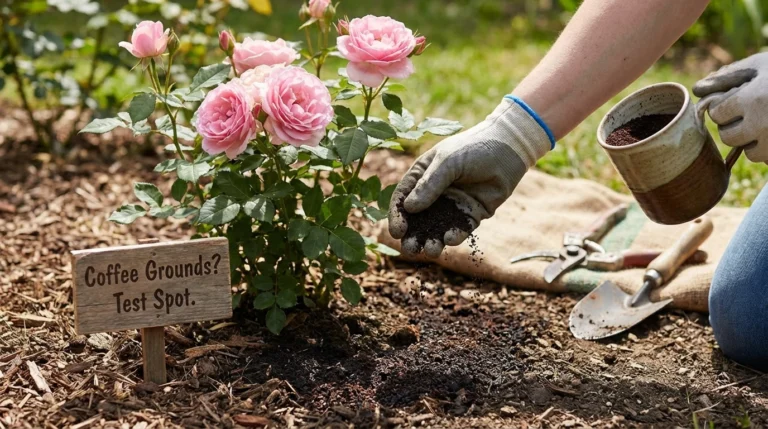
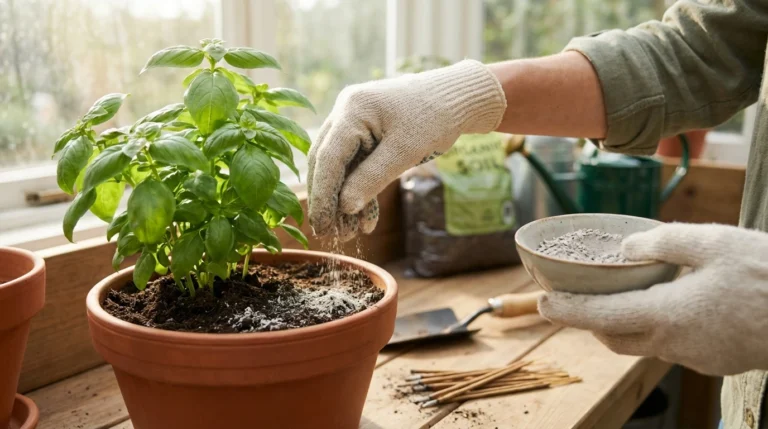
When you’re ready to use the grounds, you can mix them into the top layer of the soil around your hibiscus. Aim for a thin layer, about 1/4 to 1/2 inch thick, to avoid creating a barrier that can impede water absorption.
4. Composting Coffee Grounds
If you prefer, you can add coffee grounds to your compost bin. This not only helps balance the carbon-to-nitrogen ratio in your compost but also creates nutrient-rich compost that can be added to your hibiscus plants later.
5. Watering
After applying coffee grounds, water your hibiscus thoroughly. This helps to integrate the grounds into the soil and ensures that the nutrients are available to the plant.
Common Mistakes to Avoid
While coffee grounds can be beneficial, there are some common pitfalls to avoid:
1. Over-Application
Using too many coffee grounds can lead to excess nitrogen, which can harm your hibiscus. Stick to the recommended amounts for best results.
2. Ignoring pH Levels
While coffee grounds are slightly acidic, they typically don’t significantly alter soil pH. However, if your soil is already acidic, adding too many grounds could exacerbate the issue. It’s important to monitor your soil’s pH and adjust accordingly.
3. Using Without Compatibility Checks
Ensure your hibiscus is compatible with coffee grounds. Some species may not respond as positively as others. Always observe your plant’s health after making changes to its care routine.
Ideas for Using Coffee Grounds with Hibiscus
For those looking for creative ways to incorporate coffee grounds into their gardening routine, here are some Pinterest-worthy ideas:
1. Decorative Planters
Mix coffee grounds with potting soil in decorative planters for a unique look that also benefits your plants.
2. Coffee Ground Mulch
Create a visually appealing mulch layer around your hibiscus using dried coffee grounds, giving your garden a rustic touch.
3. Hibiscus Fertilizer Blend
Combine coffee grounds with other organic materials like eggshells and banana peels for a homemade fertilizer blend.
4. Garden Art
Use coffee grounds to create garden art projects, such as textured pots or plant markers, adding personality to your gardening space.
Expert Tips for Maximizing Coffee Ground Benefits
To make the most of coffee grounds in your hibiscus care, consider these expert tips:
1. Rotate Usage
Don’t rely solely on coffee grounds for fertilization. Rotate with other organic fertilizers to provide a well-rounded nutrient profile.
2. Monitor Plant Health
Keep an eye on your hibiscus for any signs of nutrient deficiency or excess, and adjust your coffee ground usage accordingly.
3. Combine with Other Amendments
Pair coffee grounds with other soil amendments like compost, worm castings, or fish emulsion for a nutrient boost.
Common Questions (FAQ)
1. Can I use fresh coffee grounds directly on my hibiscus?
While fresh coffee grounds can be used, it’s better to let them dry first to avoid mold and ensure better integration into the soil.
2. How often should I apply coffee grounds to my hibiscus?
Applying coffee grounds once every month during the growing season is usually sufficient, but monitor your plant’s response for adjustments.
3. Will coffee grounds attract pests to my hibiscus?
Coffee grounds can attract some pests, but they also draw beneficial organisms. Monitor your plants regularly to ensure a healthy balance.
4. What if my hibiscus is not thriving despite using coffee grounds?
If your hibiscus shows signs of stress, evaluate other factors like watering, light conditions, and soil quality, as coffee grounds are just one aspect of plant care.
5. Are there any plants that should not have coffee grounds?
Yes, some plants, particularly those that prefer alkaline soils, may not benefit from coffee grounds. Always research the specific needs of your plants.
Conclusion
Utilizing coffee grounds in your hibiscus care can be a game-changer, offering numerous benefits when done correctly. By following the right application techniques and avoiding common mistakes, you can help your hibiscus thrive. Remember, gardening is as much about experimentation as it is about knowledge. Don’t hesitate to try new methods, observe the results, and adapt your approach. Your hibiscus will thank you with vibrant blooms and healthy foliage!