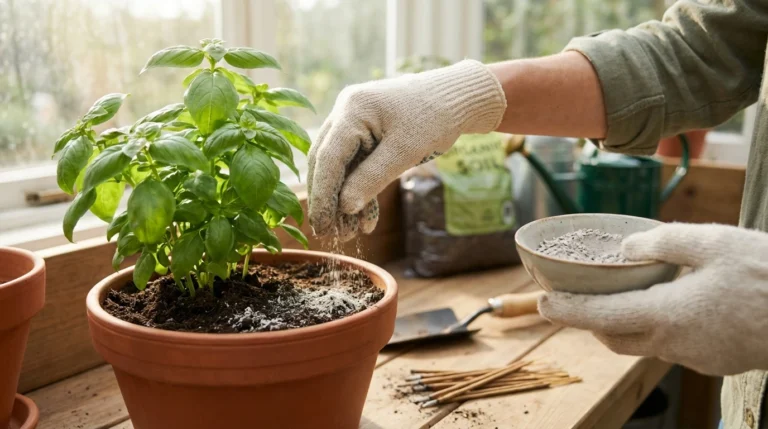
Picture this: you’ve nurtured your plants, watered them diligently, and yet they seem to be struggling. One of the most overlooked gardening techniques that could make all the difference is loosening the soil around your plants. This simple act can significantly impact plant health, root growth, and overall garden productivity. Let’s explore the reasons why loosening soil is essential and how to do it effectively.
Quick Answer
Loosening soil around plants promotes root growth, improves water drainage, enhances nutrient absorption, prevents compaction, and reduces weed competition. This practice is vital for healthy plant development and overall garden success.
Understanding Soil Compaction
Before diving into the benefits of loosening soil, it’s important to understand what soil compaction is. Compacted soil occurs when soil particles are pressed together, reducing pore space. This can happen due to heavy rain, foot traffic, or simply the weight of the soil itself. Compaction limits root growth and can lead to poor plant health.
Signs of Compacted Soil
- Stunted plant growth
- Water pooling on the surface after rain
- Dry soil that cracks easily
- Difficulty in digging or planting
5 Key Reasons to Loosen Soil Around Plants
1. Promotes Root Growth
Roots need space to expand and absorb nutrients and water. When soil is compacted, it creates a barrier that restricts root development. Loosening the soil allows roots to spread out, leading to healthier, more robust plants. Strong roots are essential for accessing nutrients and anchoring the plant, making it less susceptible to toppling over in winds or storms.
2. Improves Water Drainage
Compacted soil often leads to poor drainage, causing water to pool around the roots. This can result in root rot and other water-related diseases. By loosening the soil, you enhance its structure, allowing water to infiltrate more easily. Well-drained soil helps maintain the right moisture levels, which is crucial for plant health.
3. Enhances Nutrient Absorption
Soil is a living ecosystem filled with nutrients necessary for plant growth. When soil is compacted, it can hinder the movement of air and nutrients to the roots. Loosening the soil breaks up this barrier, allowing nutrients to flow freely. This enhances the plant’s ability to absorb essential minerals and vitamins, contributing to its overall vigor.
4. Prevents Soil Compaction
Regularly loosening the soil prevents it from becoming compacted in the first place. This proactive approach is especially important in high-traffic areas of your garden or around frequently watered plants. Incorporating organic matter, such as compost or mulch, while loosening the soil can help maintain its structure, improving aeration and drainage.
5. Reduces Weed Competition
Weeds thrive in compacted soil due to the reduced competition for nutrients and water. By loosening the soil, you create an unfavorable environment for weeds, making it more difficult for them to establish themselves. Additionally, maintaining a well-aerated soil allows your plants to grow stronger and outcompete weeds naturally.
How to Loosen Soil Effectively
Now that you understand the benefits, let’s discuss how to properly loosen soil around your plants.
Step-by-Step Guide to Loosening Soil
- Assess the Soil Condition: Check for signs of compaction and moisture levels. If the soil is too dry, consider watering it lightly before loosening.
- Choose the Right Tools: Use a garden fork, tiller, or hand trowel to loosen the soil. A spade can also be useful for larger areas.
- Work Gently: Insert your tool into the soil at an angle. Lift and break up the soil without disturbing the roots of nearby plants. Aim for a depth of 6-12 inches.
- Add Organic Matter: As you loosen the soil, mix in compost or well-rotted manure. This will enrich the soil and improve its structure.
- Level the Surface: After loosening, smooth out the soil surface to ensure even water distribution.
Ideas for Loosening Soil
Creating visually appealing and practical ideas can inspire others to take action in their gardens. Here are some unique tips and ideas for loosening soil:
- Use a Garden Fork: Ideal for small areas, a garden fork can aerate soil without disturbing roots.
- Try a Tiller: For larger plots, consider renting a tiller to save time and effort.
- Incorporate Mulch: Use organic mulch to retain moisture and suppress weeds, making soil loosening easier.
- Plant Cover Crops: Use cover crops like clover or rye to naturally aerate and enrich the soil during off-seasons.
- Use a Hose: Lightly watering the soil before loosening can help break up hard compacted areas.
Expert Tips for Optimal Soil Health
To get the most out of your soil loosening efforts, consider these insider tips:
- Timing is Key: The best time to loosen soil is in the spring or fall, when the soil is moist but not overly wet.
- Know Your Soil Type: Different soil types (clay, sandy, loamy) require different approaches. Clay soil may need more organic matter to improve drainage.
- Aerate Regularly: Make soil loosening a part of your garden maintenance routine, especially in areas with heavy foot traffic.
- Test Soil pH: Understanding your soil’s pH can help you determine the best amendments to add for optimal plant growth.
Common Questions (FAQ)
How often should I loosen soil around my plants?
It’s beneficial to loosen the soil at least once a year, ideally during the spring or fall, to maintain optimal soil structure.
Can I loosen soil around newly planted plants?
Yes, but do so gently to avoid disturbing the young roots. Wait a few weeks after planting before loosening the soil.
Is it necessary to add organic matter every time I loosen soil?
While it’s not mandatory, adding organic matter regularly enriches the soil and improves its structure, making it easier in the long run.
What tools are best for loosening soil?
Garden forks, tillers, and hand trowels are excellent tools for loosening soil, depending on the size of the area and the extent of compaction.
Can I loosen soil in winter?
It’s best to avoid loosening frozen soil, as this can damage it. Wait until thawing occurs in spring for the best results.
Conclusion
Loosening soil around your plants is a crucial step toward creating a thriving garden. By ensuring that your soil is well-aerated and free from compaction, you’re setting your plants up for success. Remember, a little effort can yield big rewards in the form of healthier, more productive plants. So grab your tools, and start loosening that soil today!