Have you ever been captivated by the unique beauty of cacti? These resilient plants are not only low-maintenance but also add a touch of the exotic to any space. However, if you’re considering adding a cactus to your home or garden, you might be wondering how long it takes for these spiky wonders to grow. The answer isn’t straightforward, as it depends on various factors such as the species, environment, and care you provide. Let’s dive into the fascinating world of cactus growth and learn what to expect along the way.
Quick Answer
Cacti generally take anywhere from 3 to 10 years to reach maturity, depending on the species and growing conditions. Some smaller varieties may grow more quickly, while larger species can take decades to fully develop.
Understanding Cactus Growth Rates
When it comes to understanding how long it takes for cacti to grow, it’s essential to consider several factors that influence their growth rates.
Species Variation
- Small Cacti: Species like the Haworthia can grow relatively quickly, sometimes reaching maturity in just a few years.
- Medium-Sized Cacti: Varieties such as the Opuntia (prickly pear) may take around 3 to 5 years to mature.
- Large Cacti: Iconic species like the Saguaro can take 50 to 70 years to reach their full height!
Environmental Factors
The environment plays a significant role in the growth of cacti. Here are some key elements:
- Light: Cacti thrive in bright, direct sunlight. Inadequate light can stunt their growth.
- Temperature: Most cacti prefer warmer temperatures, ideally between 70°F and 100°F (21°C to 38°C) during the growing season.
- Soil Quality: Well-draining soil is crucial. Cacti are susceptible to root rot if their roots sit in water.
- Watering: Overwatering can lead to slower growth and even death. Cacti require less water than most plants.
Growth Stages of Cacti
Cacti go through several stages of growth, each with its own timelines. Understanding these stages can help you manage expectations for your cactus plants.
Seed Germination
The journey begins with seed germination. Cactus seeds can take anywhere from a few days to several weeks to sprout, depending on the species and environmental conditions. Here’s what to keep in mind:
- Temperature: Warm temperatures facilitate quicker germination.
- Humidity: Cactus seeds thrive in a humid environment; consider using a humidity dome.
Seedling Stage
Once germinated, cacti enter the seedling stage. This phase can last from a few months to a couple of years, during which the plants develop their initial roots and leaves.
- Watering: Keep the soil slightly moist but not soggy.
- Light Exposure: Provide bright, indirect light to avoid burning the seedlings.
Juvenile Stage
After the seedling phase, cacti transition into the juvenile stage. This is when they start to grow more rapidly and develop their characteristic features. This stage can last several years, depending on the species.
Mature Stage
Finally, cacti reach maturity. At this point, they begin to flower and can produce seeds. Maturity can take anywhere from 3 to 10 years or even longer for certain species. Here are some signs of maturity:
- Flowering: The appearance of flowers indicates that your cactus has reached a mature stage.
- Size: Mature cacti will have significantly grown in size compared to their juvenile form.
Factors Affecting Growth Rate
Aside from species and environmental factors, several other elements can influence the growth rate of your cactus.
Soil Composition
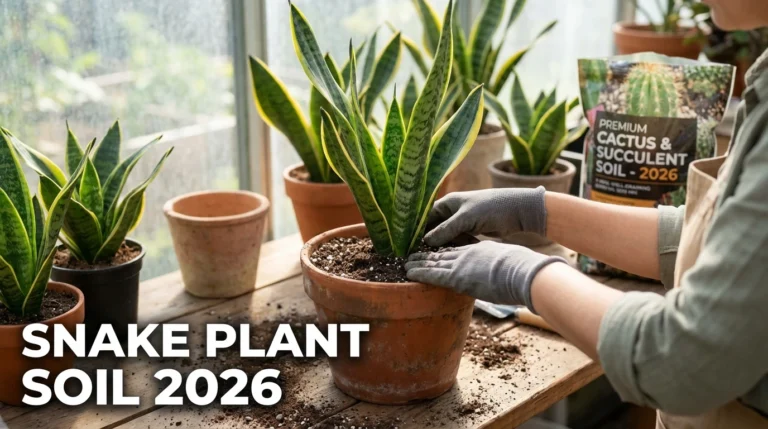
Using the right soil mix is critical for optimal growth. A well-draining cactus mix usually contains:
- Pumice
- Sand
- Perlite
Avoid using regular potting soil, as it can retain too much moisture.
Fertilization
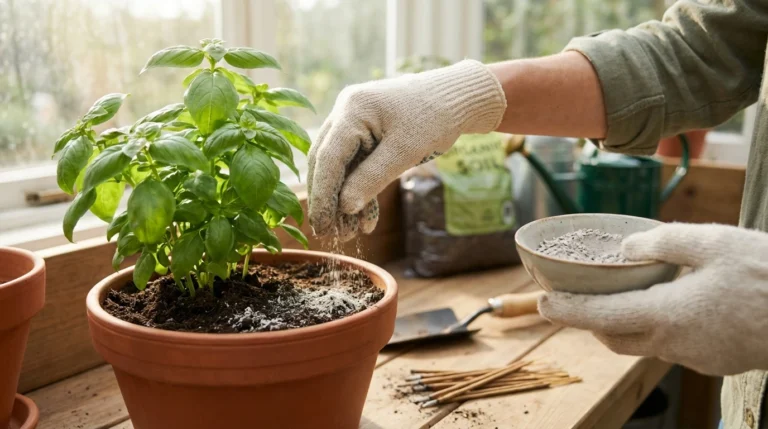
Appropriate fertilization can boost growth. Use a diluted cactus fertilizer during the growing season (spring and summer) to provide essential nutrients. Commonly recommended fertilizers include:
- Balanced Fertilizers: Look for a balanced NPK (Nitrogen, Phosphorus, Potassium) ratio.
- Liquid Fertilizers: These are easier to apply and can be mixed with water.
Pot Size
The size of the pot can also impact growth. A pot that’s too small will restrict root growth, while an overly large pot can retain too much moisture. Aim for a pot that allows for some growth but not excessive space.
Common Mistakes to Avoid
When growing cacti, avoiding common pitfalls can lead to healthier plants and faster growth.
- Overwatering: This is the most common mistake. Ensure the soil dries out between waterings.
- Insufficient Light: Cacti need plenty of light; don’t place them in dark corners.
- Ignoring Pest Issues: Keep an eye out for pests like mealybugs and spider mites, which can stunt growth.
Ideas for Cactus Display
If you’re considering adding cacti to your home or garden, here are some inspiring ideas for showcasing them:
- Terrarium Gardens: Use glass containers to create stunning mini desert landscapes.
- Cactus Wall Art: Arrange small cacti in creative wall-mounted planters for a unique look.
- Mixed Succulent Planters: Pair cacti with other succulents for a vibrant display.
Expert Tips for Faster Growth
Here are some insider tips to encourage quicker growth in your cactus:
- Provide Adequate Airflow: Ensure good airflow around your cactus to prevent diseases.
- Use a Heat Mat: This can help maintain the ideal temperature for germination and growth.
- Rotate Your Cactus: Rotating your cactus periodically helps it grow evenly.
Common Questions About Cactus Growth
How can I tell if my cactus is growing properly?
Look for signs of new growth, such as new spines or flowers. Healthy cacti should also maintain robust color and shape.
Do cacti grow faster in the summer?
Yes, cacti typically grow faster during the warmer months of spring and summer due to increased sunlight and temperature.
Can I grow cacti indoors?
Absolutely! Cacti can thrive indoors as long as they receive adequate light and the right care.
Conclusion
Growing cacti can be a rewarding experience, filled with patience and care. While the growth timeline varies by species and conditions, understanding these factors can help you cultivate thriving plants. With the right environment and care, you’ll be amazed at how quickly these resilient plants can grow and flourish in your home or garden. So, get ready to embrace the beauty of cacti and enjoy their journey from tiny seedlings to magnificent specimens!