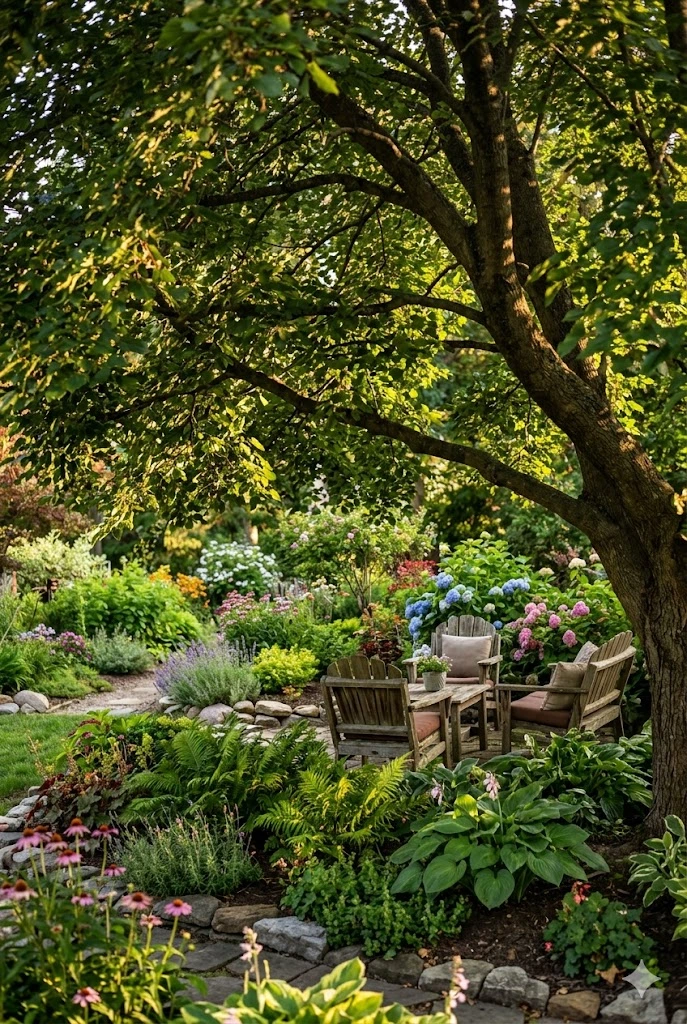
Transforming the space under your trees can turn a neglected area into a stunning focal point in your garden. If you’re tired of bare soil or struggling with grass that just won’t grow, you’re not alone! Many homeowners face the challenge of landscaping beneath trees, where shade and root competition make it tricky. But don’t worry; I’m here to help with more than 22 genius ideas that will inspire you to create a beautiful under-tree oasis, making the most of that shaded space. Let’s dive in!
Quick Answer
To enhance the area under trees, consider using ground covers, decorative stones, shade-loving plants, or creating unique seating areas. These solutions not only beautify the space but also help with moisture retention and soil health.
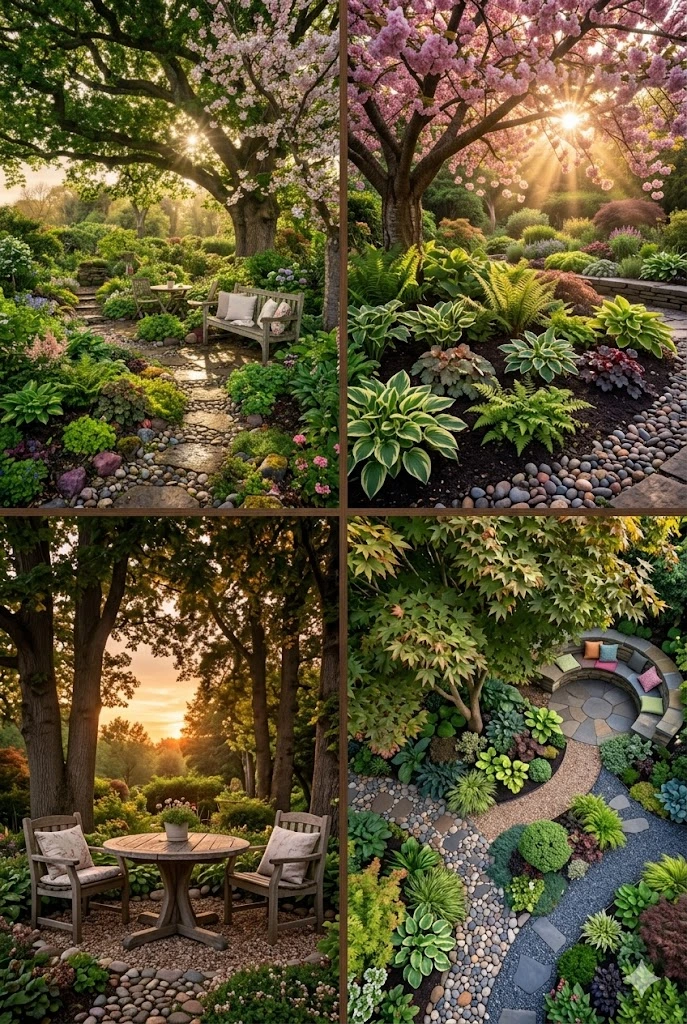
Understanding Your Tree’s Environment
Before diving into landscaping ideas, it’s essential to understand the unique environment created by your trees. Trees can significantly impact the soil, moisture levels, and light availability. Here’s what to keep in mind:
Soil Conditions
- Compacted Soil: Tree roots can compact the soil, making it hard for new plants to establish. Consider aerating the soil first.
- Root Competition: Trees absorb a lot of nutrients and water, which can limit what other plants can thrive.
- pH Levels: Test the soil to determine if you need to amend it for better plant growth.
Light Availability
- Shade Levels: Determine how much sunlight the area receives during different times of the day.
- Seasonal Changes: Some trees may lose their leaves, allowing more light in during the winter months.
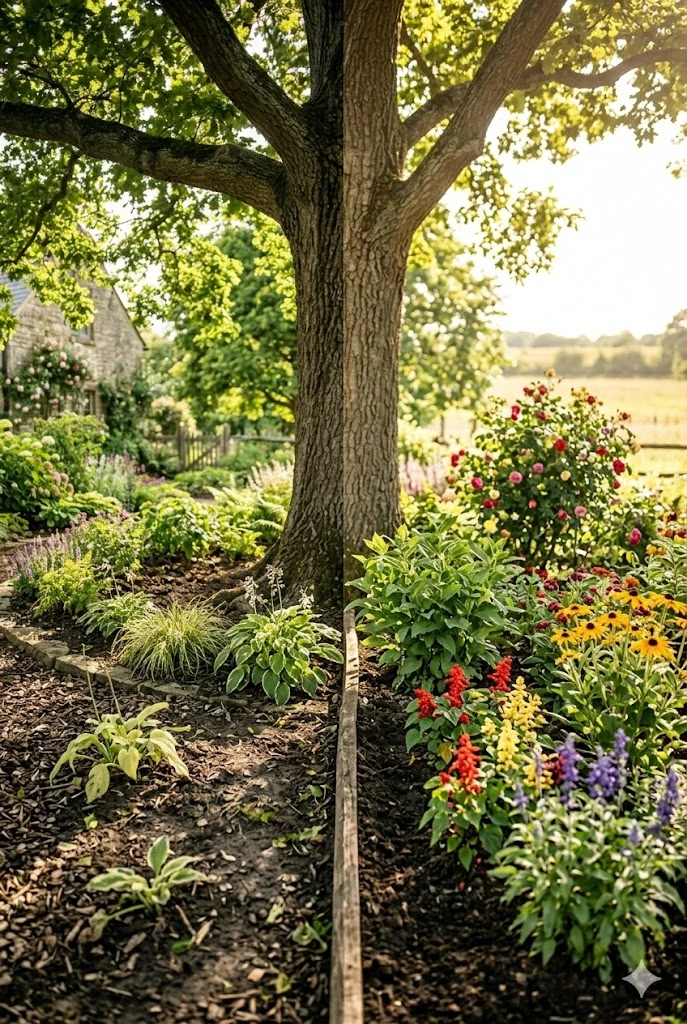
22+ Genius Under Tree Landscaping Ideas
Now, let’s explore over 22 creative ideas for landscaping under your trees. These suggestions cater to various aesthetics and practical needs, ensuring you find something perfect for your outdoor space.
1. Ground Covers
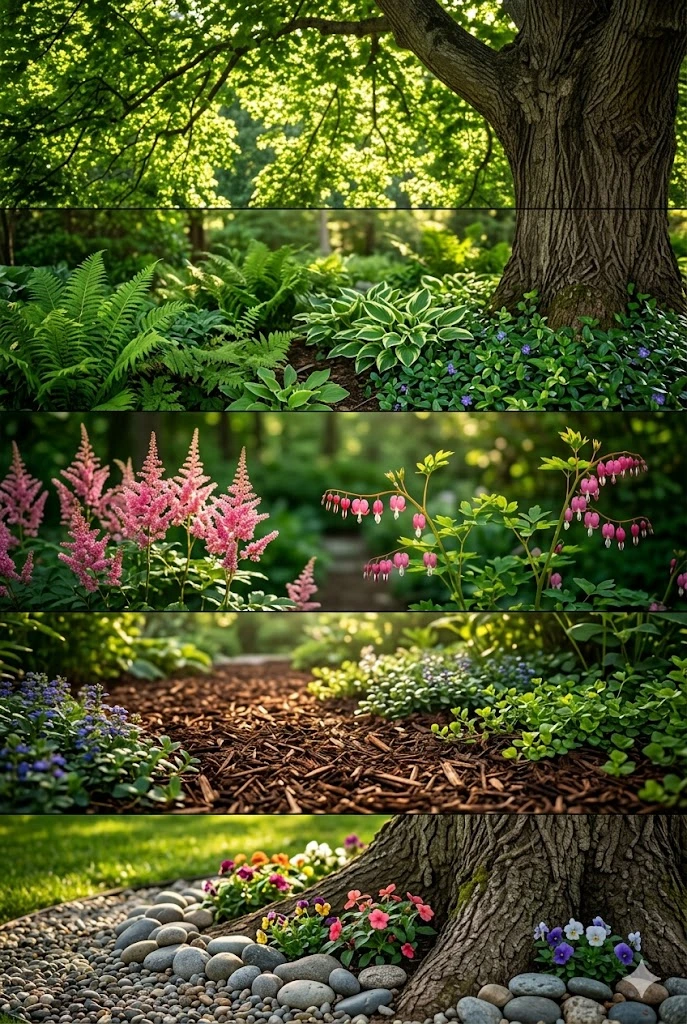
- Vinca Minor: This evergreen perennial thrives in shade and produces lovely purple flowers.
- Ajuga: Known for its vibrant foliage, Ajuga is also a great option for adding color under trees.
- Hostas: These lush plants come in various sizes and colors, perfect for filling in empty spots.
2. Decorative Stones and Gravel
- Rock Gardens: Create a natural rock garden with large stones and low-growing plants for texture.
- Gravel Pathways: Use gravel to create pathways that guide you through the space, making it more functional.
- Zen Garden: Incorporate raked gravel and stones for a peaceful, low-maintenance area.
3. Shade-Loving Plants
- Ferns: These add a lush, tropical feel to your landscape and thrive in shaded areas.
- Astilbe: With their feathery plumes, Astilbes add height and interest to the landscape.
- Bleeding Hearts: Their unique flowers will bring charm to your garden during blooming seasons.
4. Seating Areas
- Benches: Add a rustic wooden bench for a cozy reading nook.
- Hammocks: Hammocks can bring a relaxed vibe, perfect for lazy afternoons.
- Outdoor Chairs: Create a small seating area with colorful chairs for a pop of color.
5. Garden Art and Decor
- Statues: Add a whimsical touch with garden statues or sculptures.
- Wind Chimes: Hang wind chimes for a soothing sound as the breeze moves through the branches.
- Bird Feeders: Attract wildlife and enjoy birdwatching with strategically placed feeders.
6. Edible Landscapes
- Herb Gardens: Grow shade-loving herbs like mint and parsley in pots for easy access while cooking.
- Berry Bushes: Plant low-growing berry bushes that thrive in partial shade.
- Vegetable Beds: Consider a raised bed with shade-tolerant vegetables like lettuce and spinach.
7. Pathways and Trails
- Stepping Stones: Design a pathway using natural stones to guide you through your garden.
- Mulch Trails: Use mulch to create defined pathways that are easy to maintain.
- Wood Chips: These can be a soft and natural option for pathways under trees.
8. Water Features
- Small Fountains: A fountain can add a tranquil sound and a cool atmosphere to your shaded area.
- Birdbaths: A birdbath can serve as an attractive focal point and provide hydration for local wildlife.
- Pond: If space allows, consider a small pond for a more dramatic effect.
9. Natural Borders
- Flower Beds: Create raised flower beds around the tree’s base with colorful blooms.
- Log Edging: Use logs as natural edging to define the space and add character.
- Brick Borders: A brick border can give a polished look to your under-tree garden.
10. Outdoor Lighting
- String Lights: Hang string lights from branches for a magical evening atmosphere.
- Solar Path Lights: Use solar lights along pathways for safety and ambiance.
- Spotlights: Highlight specific plants or features with strategically placed spotlights.
11. Vertical Gardens
- Wall Planters: Utilize vertical space by installing wall-mounted planters.
- Trellises: Grow climbing plants on a trellis to add height and interest.
- Hanging Baskets: Hang baskets from tree branches for a beautiful, layered look.
12. Eco-Friendly Landscaping
- Native Plants: Choose plants native to your area for easier maintenance and ecological benefits.
- Compost Bins: Create a small compost area to recycle yard waste and enrich the soil.
- Rain Gardens: Design a rain garden for managing runoff while creating a beautiful landscape.
13. Seasonal Plants
- Spring Bulbs: Plant spring bulbs like tulips and daffodils for early color.
- Fall Foliage: Incorporate plants that provide stunning fall colors for a seasonal display.
- Winter Greens: Use evergreen plants to maintain interest in the colder months.
14. Colorful Foliage
- Japanese Maples: Their vibrant leaves can create a stunning contrast against the tree’s bark.
- Colorful Perennials: Consider plants with colorful leaves, like Heuchera, for year-round appeal.
- Variegated Plants: Use variegated foliage plants to add a dynamic element to your garden.
15. Privacy Screens
- Climbing Vines: Grow climbing vines on trellises for added privacy.
- Hedges: Plant low hedges that can provide a natural screen without blocking too much light.
- Decorative Screens: Use decorative screens to create secluded spots beneath the trees.
16. Insect Hotels
- Bee Hotels: Encourage pollinators by placing bee hotels among your plants.
- Butterfly Houses: Attract butterflies with decorative houses positioned nearby.
- Ladybug Hotels: Create a welcoming environment for beneficial insects.
17. Educational Features
- Herb Spiral: Design a spiral herb garden to teach children about gardening.
- Garden Labels: Use chalkboard labels to educate visitors about the plants in your garden.
- Composting Station: Set up a composting area and teach about sustainability.
18. Artistic Touches
- Painted Rocks: Use painted rocks to add whimsy and color under the trees.
- Garden Murals: If you have a wall nearby, consider painting a mural to inspire creativity.
- Unique Planters: Use repurposed items as planters for an eclectic feel.
19. Child-Friendly Areas
- Play Zones: Create a play area with soft ground cover and play equipment.
- Nature Tables: Set up a nature table with magnifying glasses and natural items for exploration.
- Sand Pits: Incorporate a small sandpit for hours of outdoor fun.
20. Fire Pits
- Portable Fire Pits: Use a portable fire pit for cozy gatherings under the stars.
- Stone Fireplaces: Build a stone fireplace for a permanent gathering spot.
- Surround Seating: Create seating around the fire pit for a welcoming atmosphere.
21. Wildlife Habitats
- Native Plantings: Use native plants to attract local wildlife.
- Water Sources: Incorporate small water features for birds and beneficial insects.
- Nesting Boxes: Place birdhouses to encourage feathered friends to take up residence.
22. Sustainable Practices
- Mulching: Use organic mulch to retain moisture and suppress weeds.
- Rainwater Harvesting: Set up rain barrels to collect water for your garden.
- Soil Amendments: Regularly amend the soil with compost to enrich it.
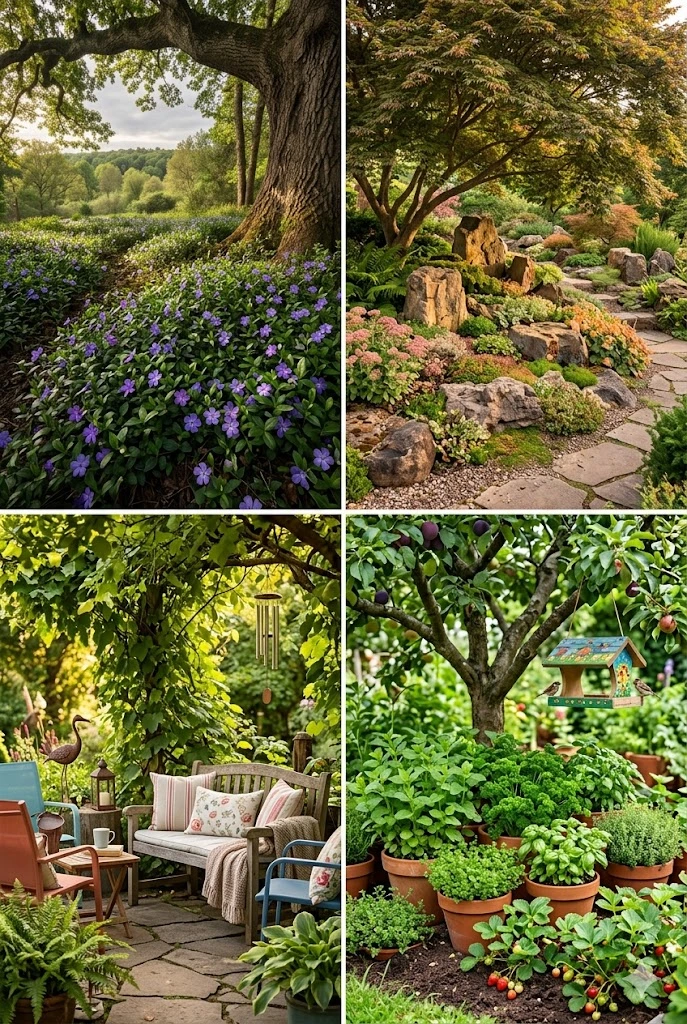
Expert Tips for Under Tree Landscaping
Here are some insider tips to ensure your under-tree landscape thrives:
- Choose Appropriate Plants: Always opt for shade-tolerant plants that can cope with competition from tree roots.
- Layering: Use varying heights in your plantings to create depth and visual interest.
- Regular Maintenance: Keep an eye on moisture levels and be prepared to water more frequently.
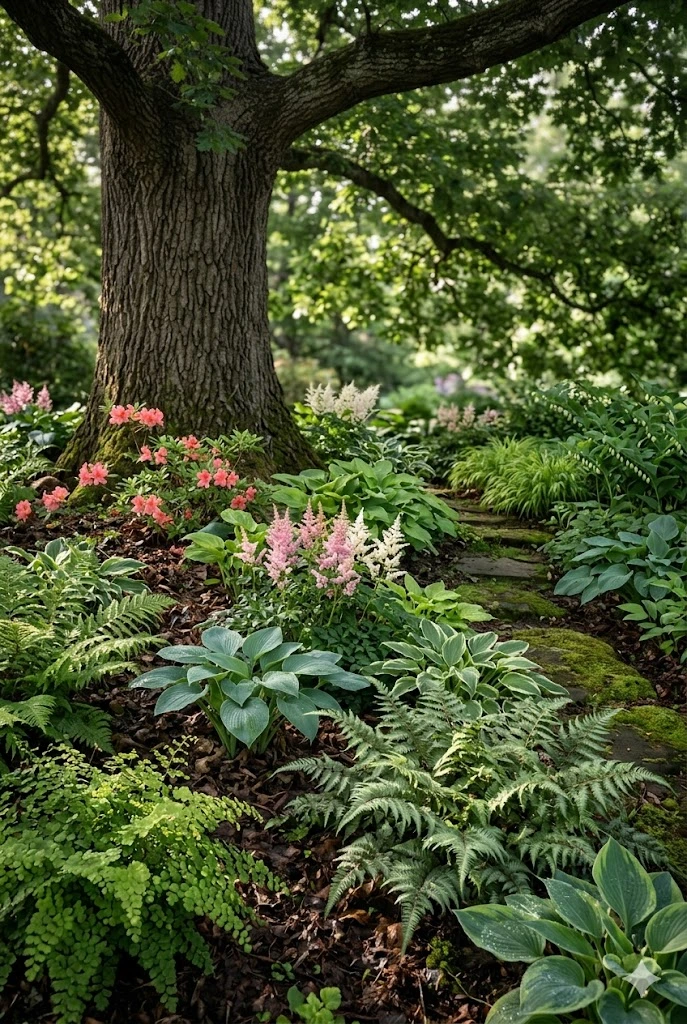
Common Questions
What plants grow best under trees?
Shade-loving plants like ferns, hostas, and vinca minor thrive under trees, as they can adapt to lower light and compete with tree roots.
Can I plant flowers under my trees?
Yes, many flowers can grow under trees as long as they are shade-tolerant, such as astilbe and bleeding hearts.
How do I manage weeds under trees?
Regular mulching can help prevent weeds, as can using ground covers that outcompete unwanted plants.
Is it possible to grow vegetables under trees?
Yes, you can grow shade-tolerant vegetables like lettuce and spinach, but they may need more regular watering.
How can I enhance the look of my tree’s base?
Consider adding decorative stones, mulch, or planting shade-tolerant flowers around the base to create a more polished look.
Conclusion
Landscaping under trees can be a fulfilling project that enhances both your garden’s beauty and its functionality. With these 22+ ideas, you can create a unique and inviting space that reflects your style while thriving in the shade. Don’t hesitate to mix and match these suggestions to find the perfect combination for your outdoor haven. Happy gardening!