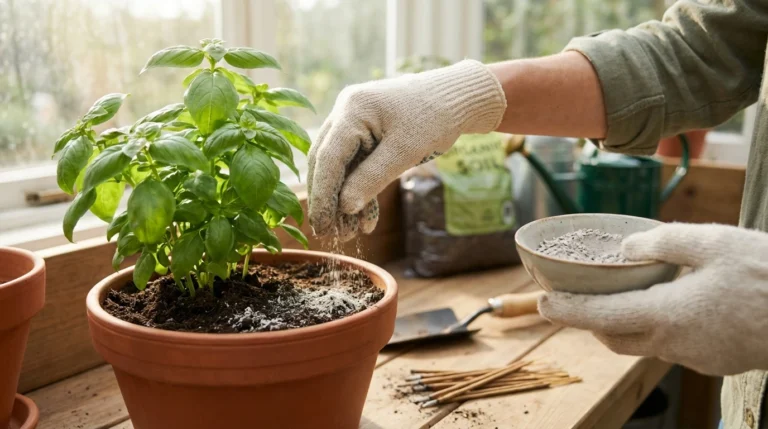
Transforming your home’s curb appeal can be as simple as adding beautiful flower beds to your front yard. Flower beds not only enhance the aesthetic of your home but also create a warm and inviting atmosphere that draws the eye. However, with so many options, it can be overwhelming to choose the right design for your space. The good news is that there are countless creative ways to incorporate flower beds against your house that can elevate your property’s charm. Here are over 20 unique ideas to inspire you to create stunning front yard flower beds.
Quick Answer
To enhance your home’s curb appeal, consider installing flower beds against the house using designs like tiered beds, raised planters, or color-coordinated blooms. Choose native plants for easy maintenance, and remember to include a mix of heights and textures for visual interest.
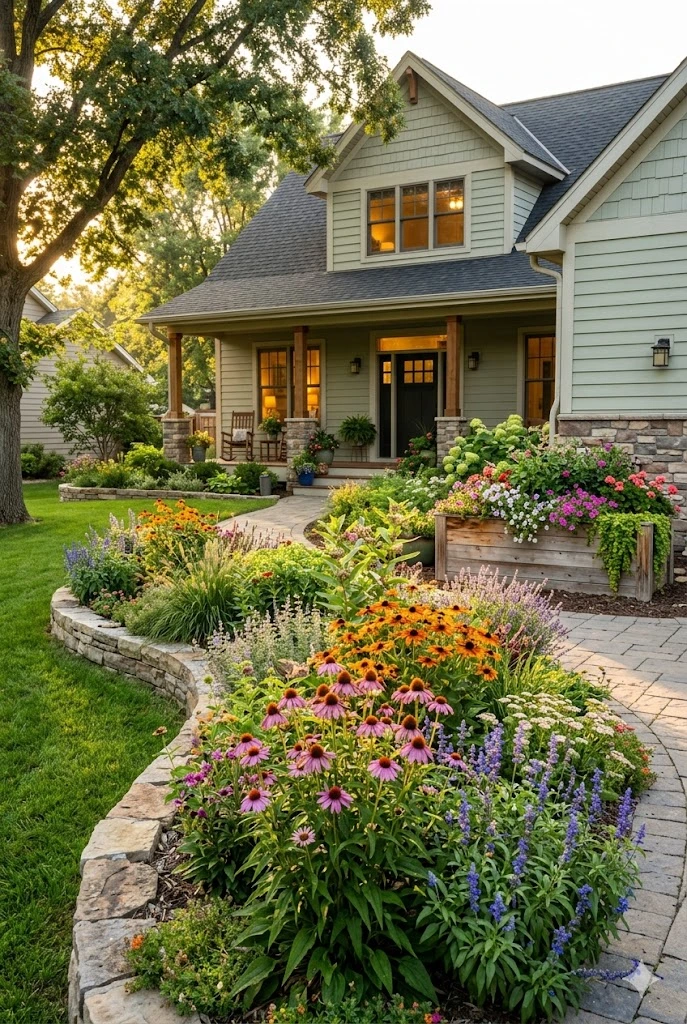
1. Classic Cottage Garden Style
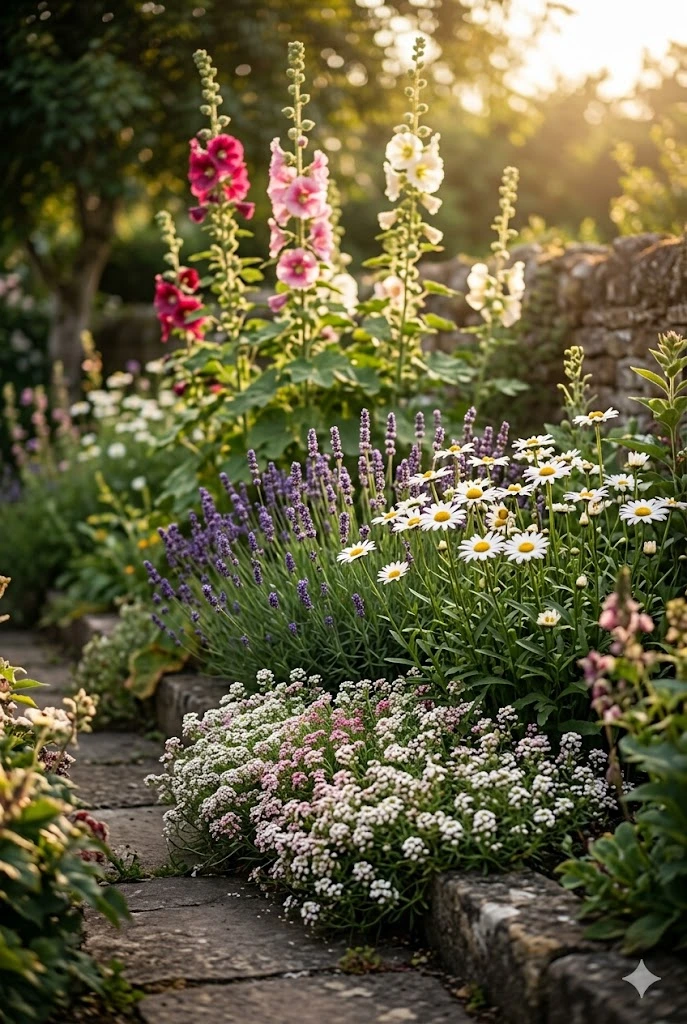
A classic cottage garden style features a mix of colorful, fragrant flowers. Think of daisies, lavender, and hollyhocks. This design embraces a natural, unstructured look, allowing plants to tumble over pathways and intermingle.
Tips for Creating a Cottage Garden:
- Use a variety of flower heights.
- Incorporate winding paths for a whimsical feel.
- Choose perennials for long-lasting blooms.
2. Minimalist Modern Flower Beds
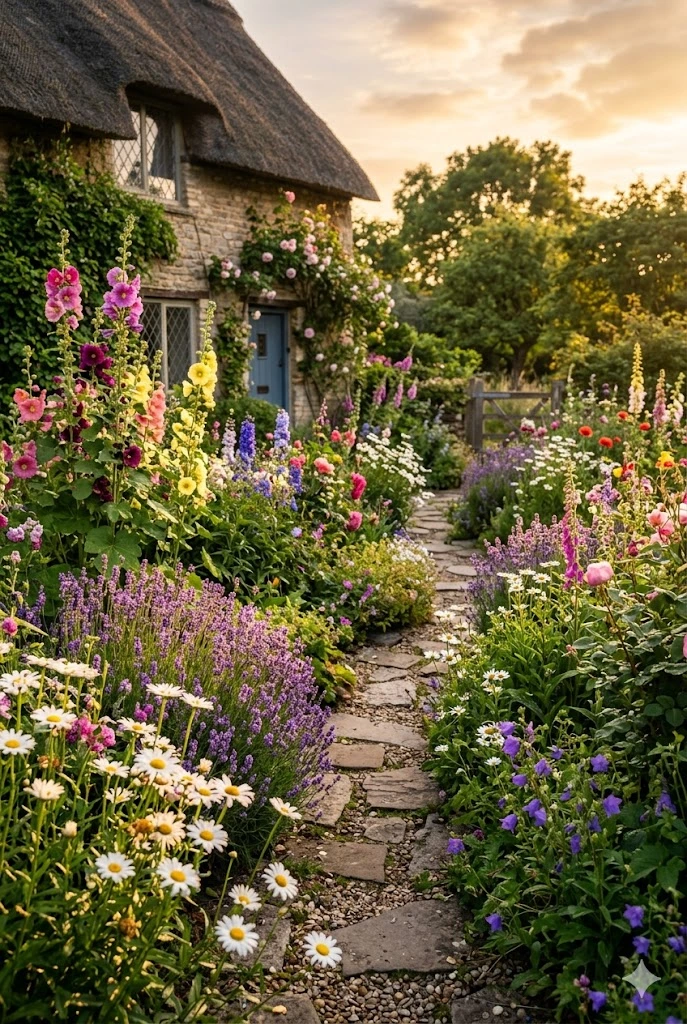
If you prefer a sleek and contemporary look, minimalist flower beds are perfect. Focus on a few well-placed plants in geometric layouts, emphasizing clean lines and symmetry.
Popular Plant Choices:
- Ornamental grasses like Blue Fescue.
- Succulents for low-maintenance options.
- Monochromatic flowers like white or blue hydrangeas.
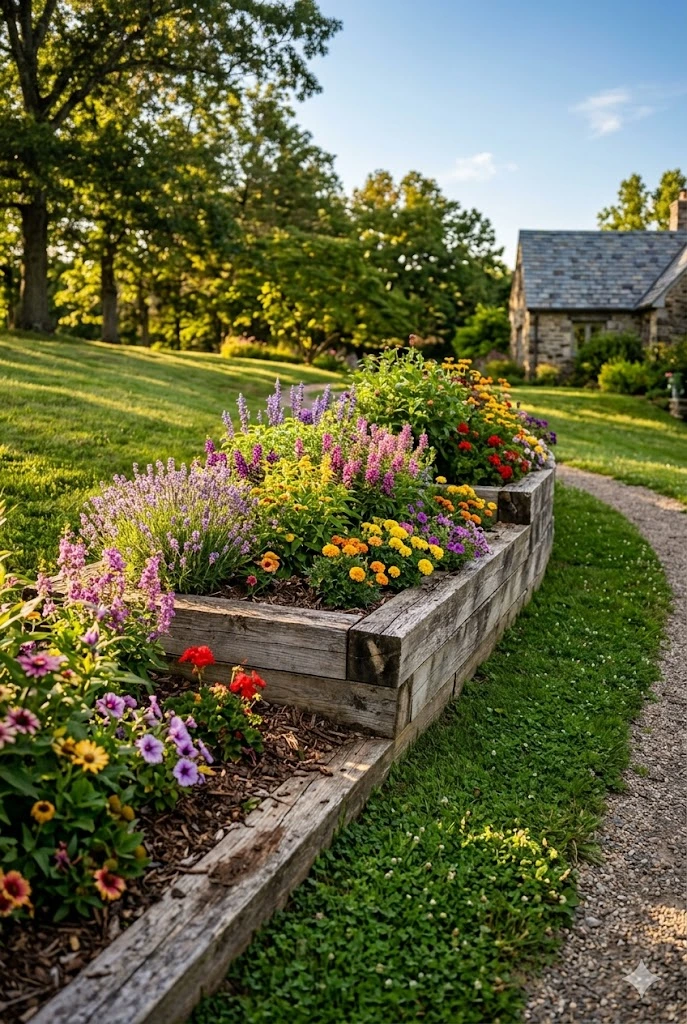
3. Raised Flower Beds
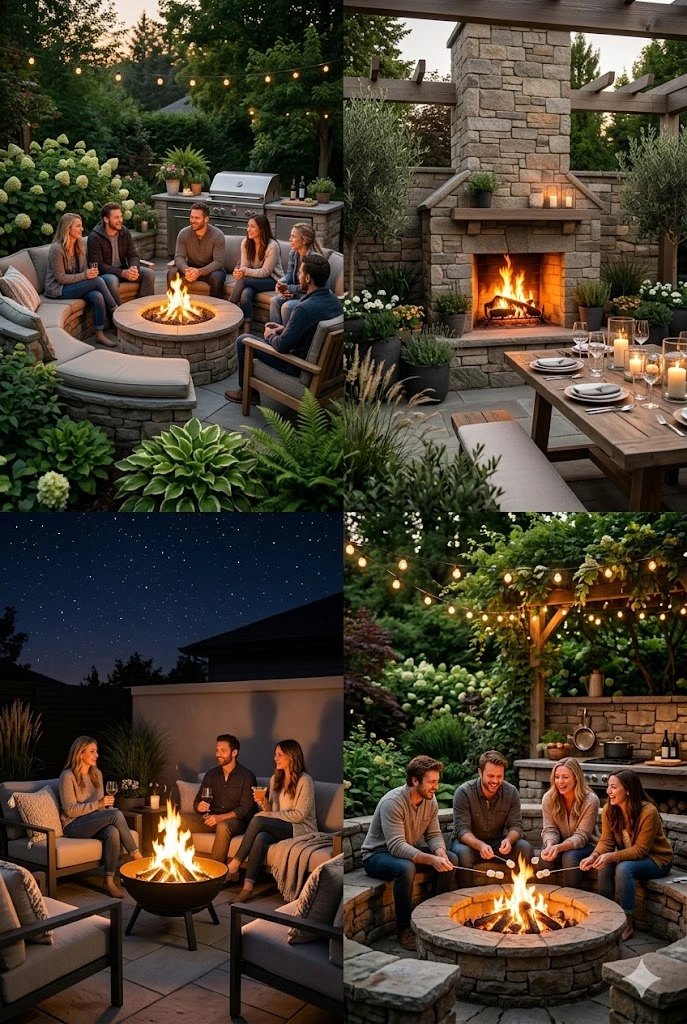
Raised flower beds add dimension and can be a great solution for sloped yards. They provide better drainage and can be customized in shape and size to fit your space.
Steps to Build a Raised Flower Bed:
- Choose a location with good sunlight.
- Decide on the size and shape of the bed.
- Construct the frame using wood or stone.
- Fill with quality soil and compost.
- Plant your flowers and add mulch to retain moisture.
4. Vertical Gardens
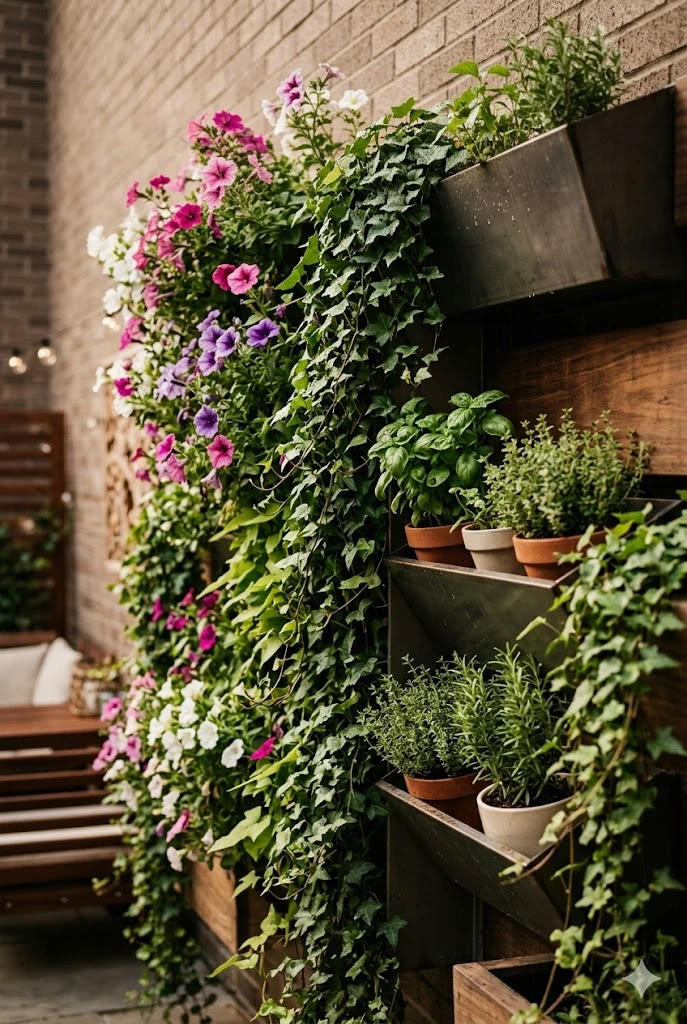
For those with limited space, vertical gardens are a fantastic way to incorporate flowers against your house. These gardens can add height and interest to flat surfaces.
How to Create a Vertical Garden:
- Use wall planters or trellises.
- Opt for trailing plants like ivy or cascading petunias.
- Incorporate herbs like basil and thyme for added functionality.
5. Colorful Annual Displays
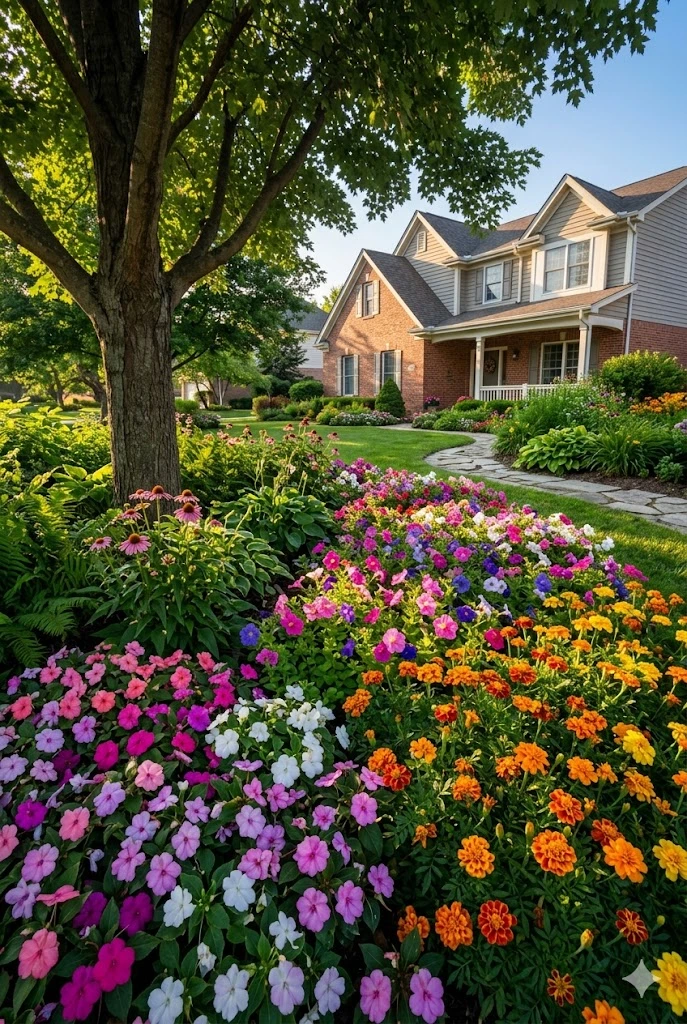
Mixing annuals with perennials can create vibrant displays that change with the seasons. You can have a fresh look every year by swapping out your annuals.
Best Annuals for Front Yard Flower Beds:
- Petunias for bright color.
- Marigolds for pest control and vibrant blooms.
- Impatiens for shade-loving spots.
6. Native Plant Gardens
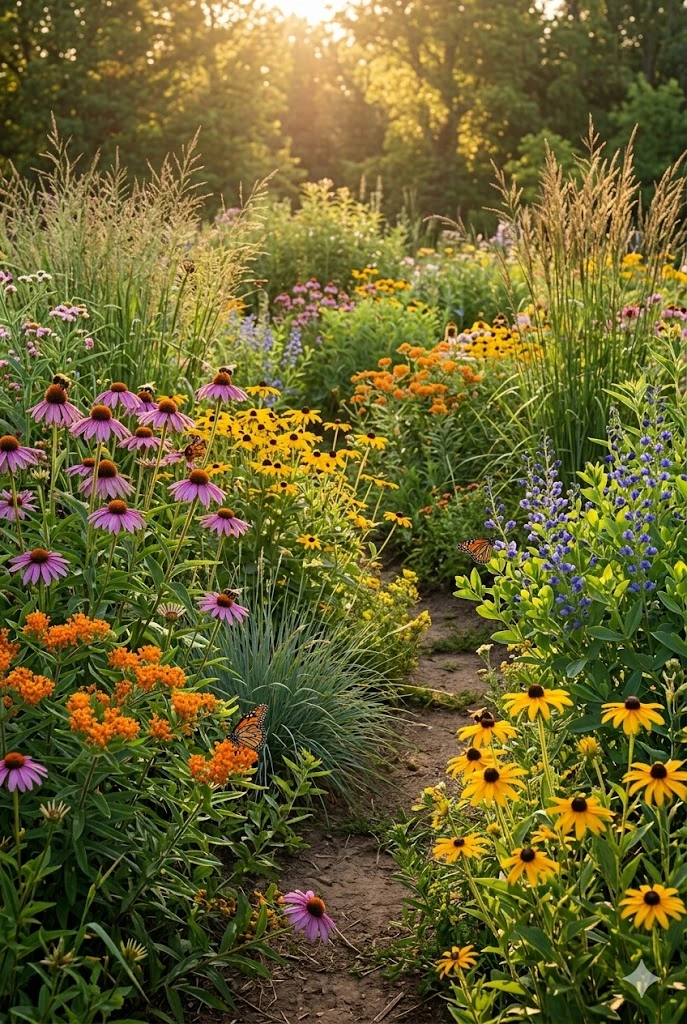
Using native plants not only supports local wildlife but also ensures that your flower beds thrive with minimal care. Native species are well-adapted to your climate and soil conditions.
Benefits of Native Plants:
- Low maintenance and drought-resistant.
- Attract pollinators like bees and butterflies.
- Provide habitat for local wildlife.
7. Layered Flower Beds
Layering flowers creates depth and visual intrigue. Place taller plants in the back and shorter ones in the front for a pleasing arrangement.
Layering Tips:
- Use a mix of perennials and annuals.
- Consider foliage colors and textures.
- Incorporate ornamental grasses for added movement.
8. Edible Flower Beds
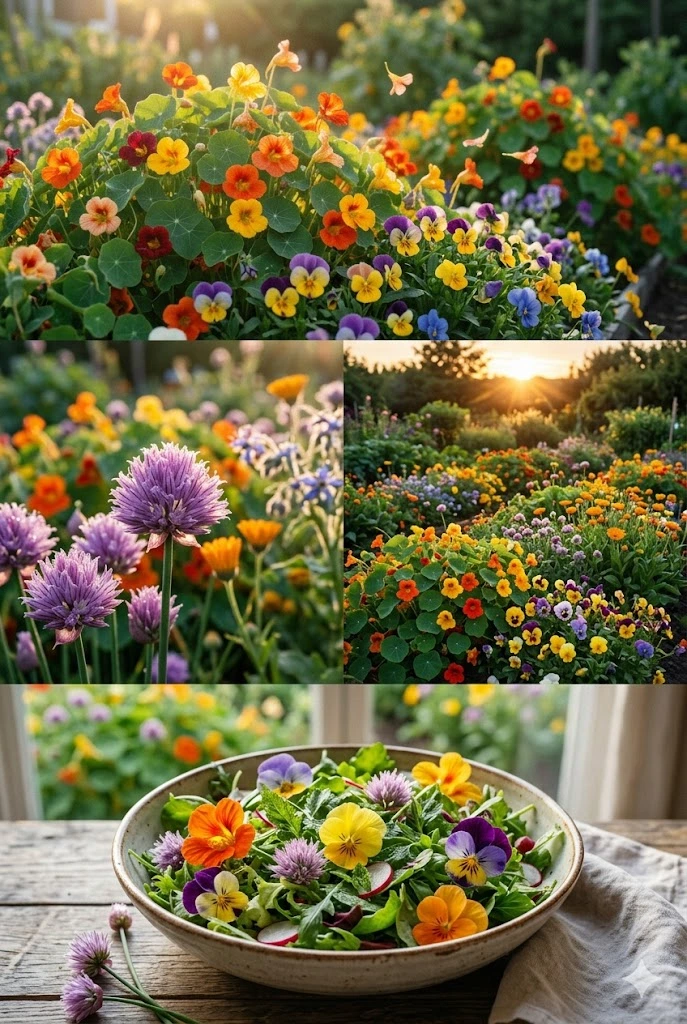
Why not combine beauty with utility? Edible flowers like nasturtiums and pansies can bring color and flavor to your flower beds.
Edible Flower Ideas:
- Nasturtiums for their vibrant colors and peppery flavor.
- Pansies for colorful garnishes in salads.
- Chive blossoms for a subtle onion flavor.
9. Seasonal Themes
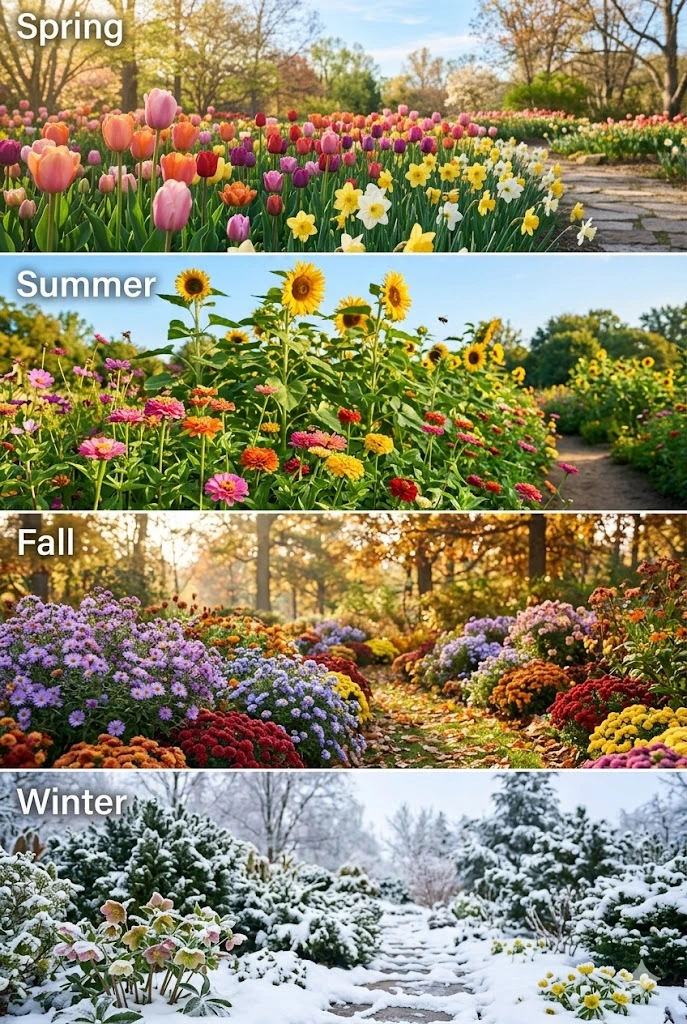
Creating flower beds that change with the seasons can keep your garden looking fresh and exciting year-round. Choose plants that bloom at different times.
Seasonal Planting Ideas:
- Spring: Tulips and daffodils.
- Summer: Sunflowers and zinnias.
- Fall: Asters and chrysanthemums.
10. Classic Border Flower Beds
Border flower beds outline your home beautifully, drawing attention to its architectural features. Use a mix of perennial and annual flowers for continuous blooms.
Border Plant Suggestions:
- Lavender for fragrance and color.
- Hostas for shade and texture.
- Daylilies for vibrant summer blooms.
11. Stone or Brick Planters
Using stone or brick to create planters can add a rustic touch to your home. These materials blend well with natural landscapes and can be arranged in various shapes.
Advantages of Stone Planters:
- Durability and low maintenance.
- Natural insulation for roots.
- Customizable shapes and sizes.
12. Pollinator Gardens
Designing a flower bed specifically for pollinators can attract bees, butterflies, and hummingbirds, enriching your garden’s ecosystem.
Plants to Attract Pollinators:
- Bee balm for bees.
- Milkweed for monarch butterflies.
- Hummingbird sage for hummingbirds.
13. Zen-Inspired Flower Beds
A Zen garden can bring tranquility to your space. Incorporate minimalistic flower beds with soothing colors and textures.
Zen Garden Elements:
- Rocks and gravel for a natural look.
- Plants like Japanese maple and bamboo.
- Symmetrical arrangements for harmony.
14. Container Gardens
If you’re short on space or want to experiment with mobility, container gardens can be an excellent option. They allow for flexibility and creativity.
Container Planting Tips:
- Choose containers of varying heights and sizes.
- Use quality potting soil for better drainage.
- Group pots for a more impactful display.
15. Wildlife-Friendly Gardens
Creating a garden that welcomes wildlife can be a rewarding experience. Incorporate native plants, water sources, and shelter to attract various species.
Wildlife-Friendly Features:
- Birdbaths for hydration.
- Nesting boxes for birds.
- Dense shrubs for shelter.
16. Color-Themed Flower Beds
A color-themed flower bed can create a striking visual impact. Choose a specific color palette to guide your plant selections.
Popular Color Schemes:
- Monochromatic: Shades of purple.
- Complementary: Yellow and purple.
- Analogous: Red, orange, and yellow.
17. Rock Gardens
Rock gardens can add texture and interest while requiring less water. These gardens seamlessly blend flowers with stones and gravel.
Plants for Rock Gardens:
- Succulents for drought resistance.
- Sedums for vibrant ground cover.
- Thyme for fragrant pathways.
18. Herb and Flower Combos
Combining herbs with flowers can create a fragrant, functional garden. Herbs like rosemary and mint can add both beauty and utility to your front yard.
Herb Flower Combinations:
- Lavender with rosemary for a fragrant touch.
- Chives with colorful blooms for added interest.
- Basil with pansies for a vibrant look.
19. Seasonal Decorations
Incorporating seasonal decorations can keep your flower beds fresh and exciting. Add decorative elements that change with the seasons, such as pumpkins in the fall or festive lights in winter.
Seasonal Decoration Ideas:
- Spring: Easter eggs and pastel colors.
- Summer: Lanterns and beach themes.
- Fall: Hay bales and cornstalks.
20. DIY Flower Bed Borders
Creating your own flower bed borders can add a personal touch. Use materials like wood, stones, or recycled materials to define the space.
DIY Border Ideas:
- Wooden pallets for a rustic feel.
- Repurposed bricks for a classic touch.
- Rusty metal for an industrial vibe.
Expert Tips for Successful Flower Beds
Creating stunning flower beds is not just about choosing the right plants. Here are some insider tips to ensure your flower beds thrive:
- Always check the sunlight requirements for each plant.
- Group plants with similar water needs together.
- Regularly deadhead spent blooms to encourage new growth.
- Mulch around plants to retain moisture and suppress weeds.
- Rotate flower beds each season to prevent soil depletion.
Common Questions
What flowers bloom all summer long?
Perennials like coneflowers, daylilies, and black-eyed Susans are excellent choices for summer-long blooms.
How do I choose the right flowers for my climate?
Research local plant hardiness zones and choose flowers that thrive in your specific climate conditions.
Can I mix perennials and annuals in my flower beds?
Absolutely! Mixing perennials with annuals can provide continuous color and interest throughout the seasons.
What is the best time to plant flower beds?
Spring and fall are typically the best times to plant flower beds, allowing plants to establish roots before extremes in temperature.
How often should I water my flower beds?
Watering needs vary by plant type and climate. Generally, water deeply once a week, adjusting based on rainfall and temperature.
Conclusion
With so many creative options at your fingertips, transforming your front yard with flower beds against your house can be both a rewarding and enjoyable experience. Whether you choose a minimalist design or a vibrant cottage garden, the key is to select plants that suit your style and environment. Embrace your creativity, and don’t hesitate to mix and match ideas to create a unique garden that reflects your personality. Happy gardening!