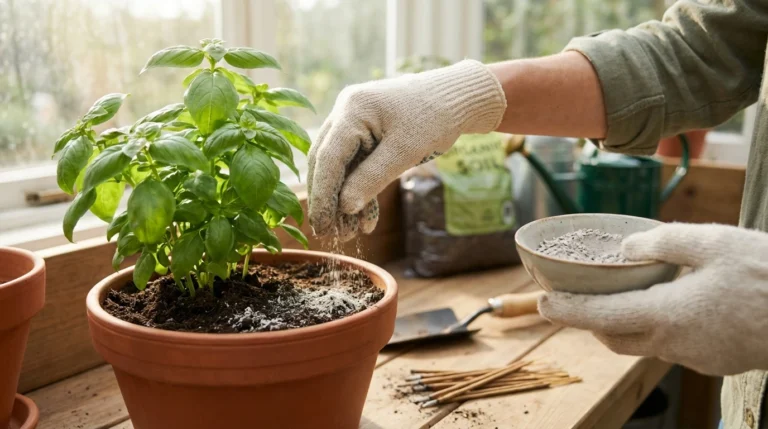
Creating a beautiful garden border doesn’t have to be a labor-intensive project. If you’re looking for low-maintenance garden border ideas, you’re in the right place! Whether you want to define your garden beds, add visual interest, or simply keep things tidy, there are plenty of options that won’t require constant upkeep. Let’s explore 17 easy and simple ideas that will help you achieve a stunning garden border without spending all your weekends working in the garden.
Quick Answer
For low-maintenance garden borders, consider using materials such as rocks, gravel, or native plants that require little care. Other options include raised beds, decorative fences, and perennial flowers that add beauty without the hassle of frequent maintenance.
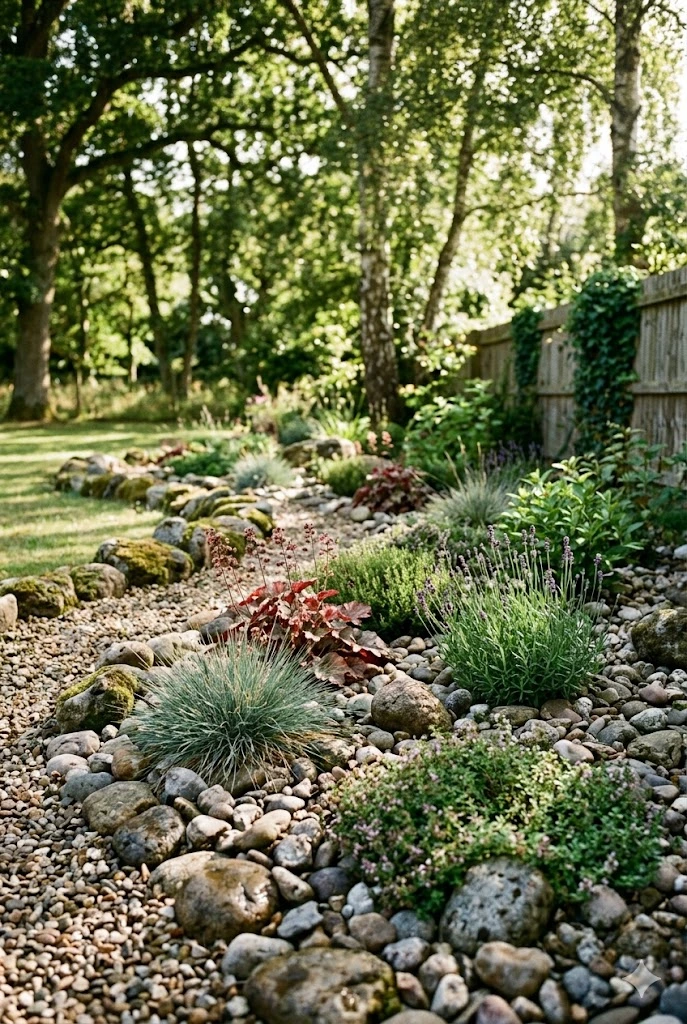
1. Rock Borders
Rock borders are a timeless choice that adds a rustic charm to any garden. They’re incredibly durable and require minimal maintenance.
How to Create a Rock Border
- Select a variety of rocks in different sizes.
- Outline your desired border shape.
- Dig a shallow trench to set the rocks in place.
- Fill gaps with soil to secure the rocks.
Rocks also help retain moisture in the soil, reducing the need for frequent watering.
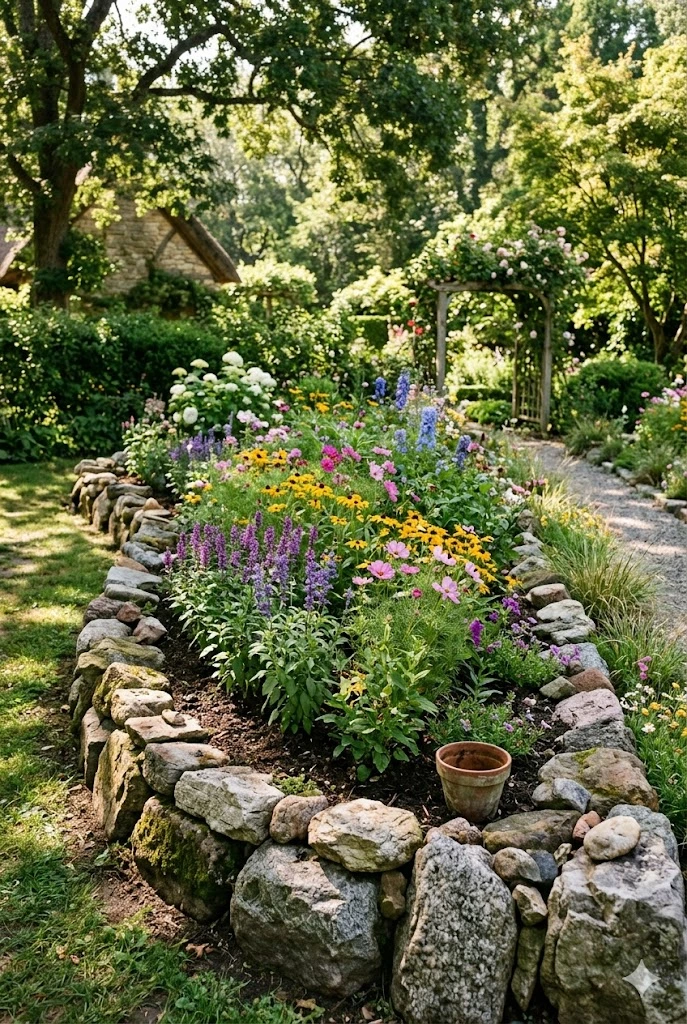
2. Gravel Pathways
Gravel is another low-maintenance option that can define your garden borders while providing a practical pathway.
Benefits of Gravel Borders
- Good drainage, preventing puddles.
- Weed suppression when a landscape fabric is used underneath.
- Easy to install and customize.
Choose gravel in colors that complement your plants for a cohesive look.
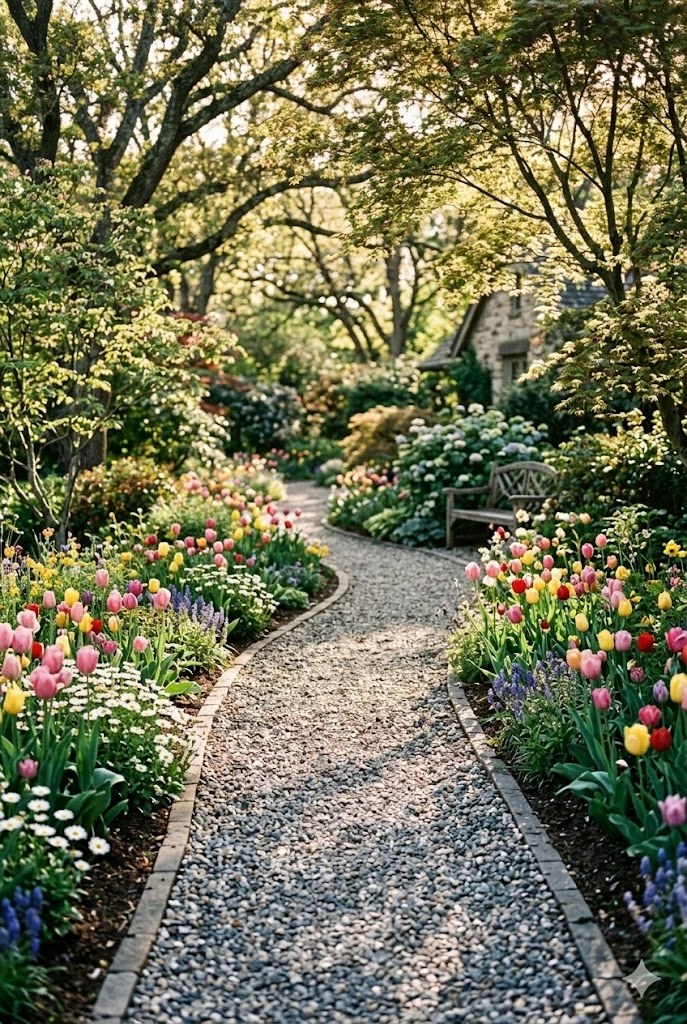
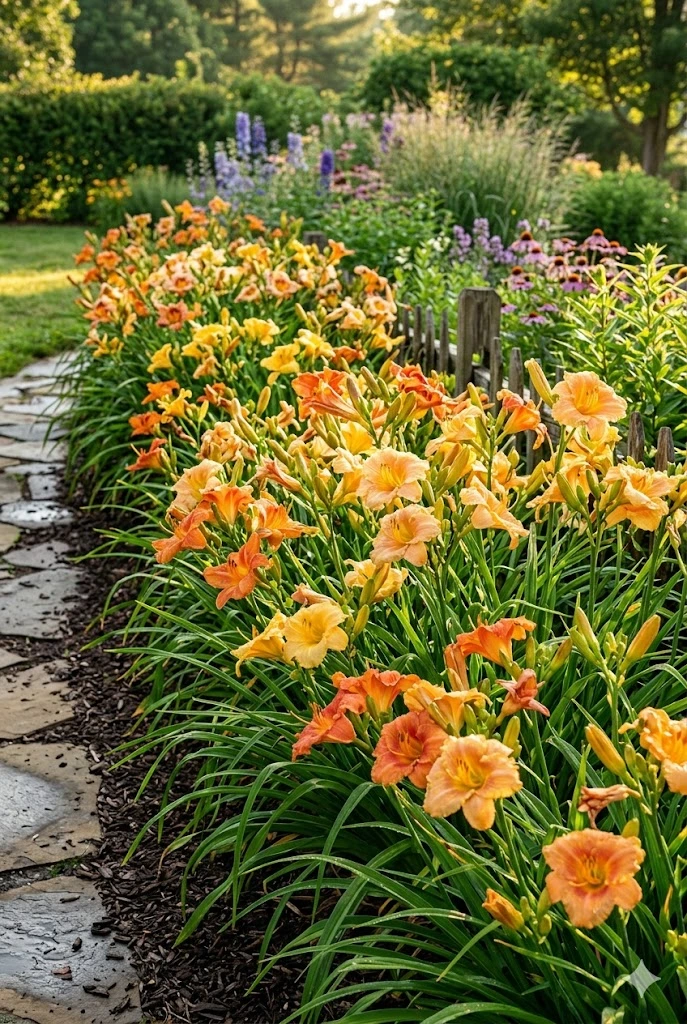
3. Perennial Plants
Planting perennials is an excellent way to create a vibrant border without the need for annual replanting.
Best Perennials for Borders
- Daylilies: Hardy and colorful, they come back year after year.
- Hostas: Perfect for shaded areas, adding lush foliage.
- Lavender: Aromatic and drought-tolerant.
These plants will provide seasonal interest with minimal effort.
4. Decorative Edging
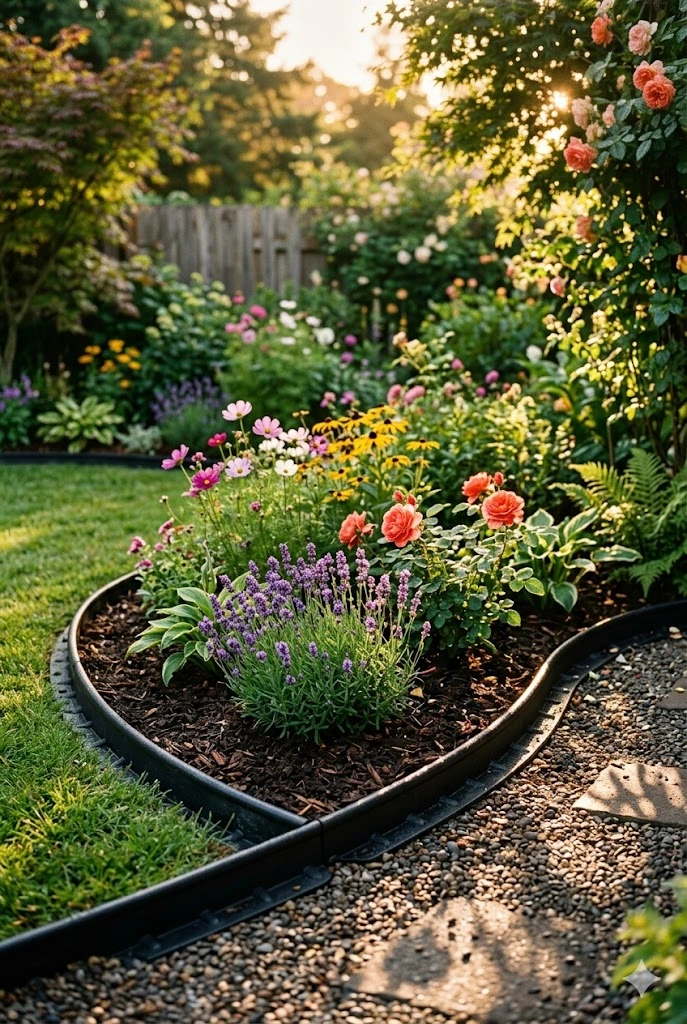
Consider using decorative edging materials like plastic, wood, or metal to establish clean lines in your garden.
Types of Decorative Edging
- Plastic Edging: Lightweight and flexible, easy to install.
- Wood Edging: Natural look, but choose rot-resistant wood.
- Metal Edging: Long-lasting and sleek, great for modern gardens.
5. Raised Garden Beds
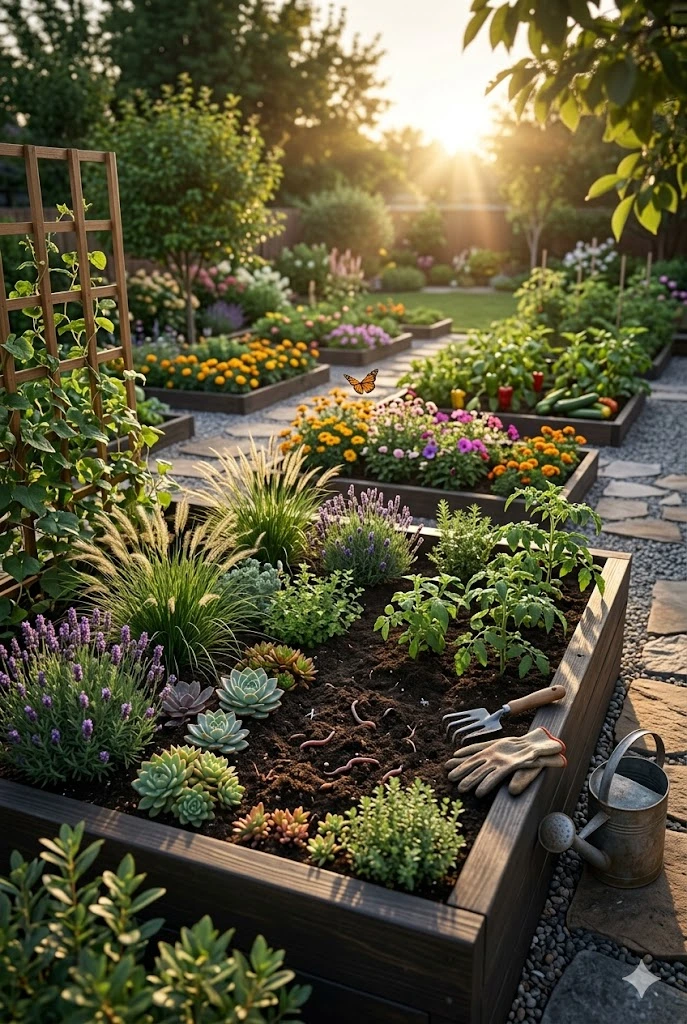
Raised beds not only define your garden space but also make gardening easier on the back and knees.
Advantages of Raised Beds
- Improved drainage and soil quality.
- Less weed competition.
- Easy access for planting and maintenance.
Fill them with low-maintenance plants to keep upkeep to a minimum.
6. Low-Growing Ground Covers
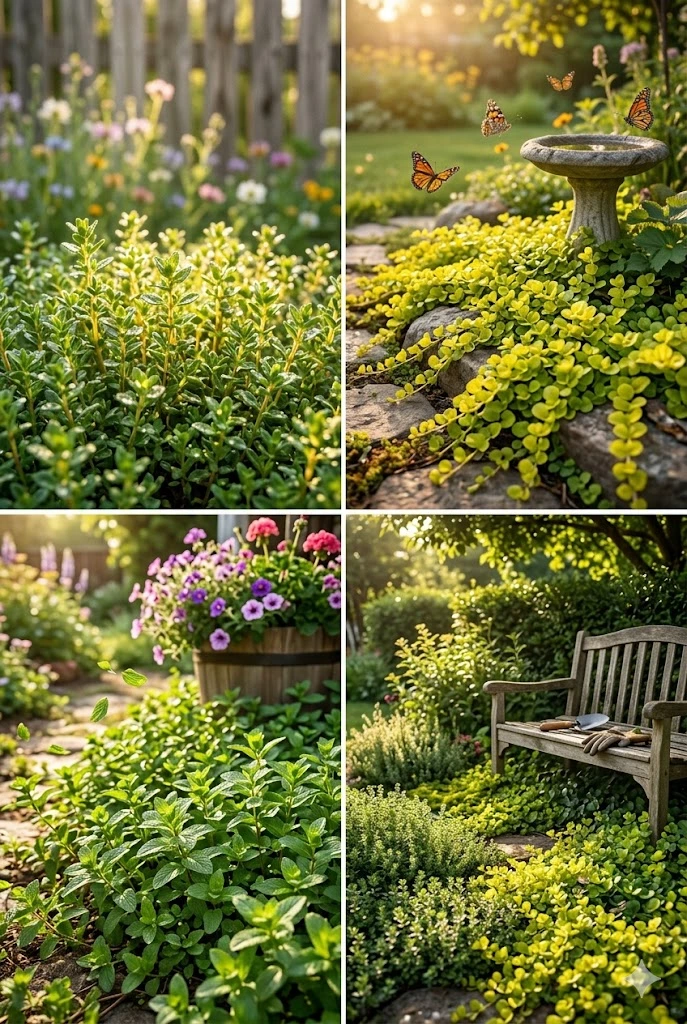
Ground covers can suppress weeds and add greenery without the need for constant trimming.
Top Ground Cover Options
- Thyme: Drought-resistant and fragrant.
- Creeping Jenny: Bright yellow-green foliage that turns gold in fall.
- Mint: Aromatic and can be easily contained.
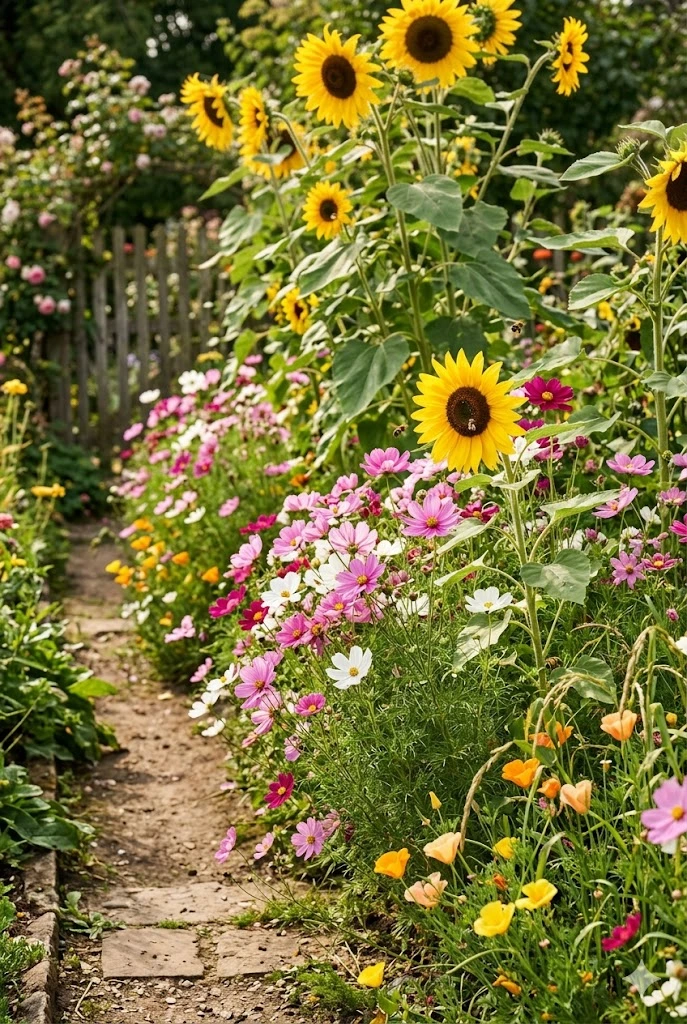
7. Annual Flower Borders
If you’re looking for quick bursts of color, annual flowers can be a great option, especially if you select self-seeding varieties.
Self-Seeding Annuals to Consider
- Cosmos: Bright and cheerful blooms.
- California Poppy: Vibrant orange flowers that spread easily.
- Sunflowers: Tall and striking, they attract pollinators.
These flowers will return year after year with little effort on your part.
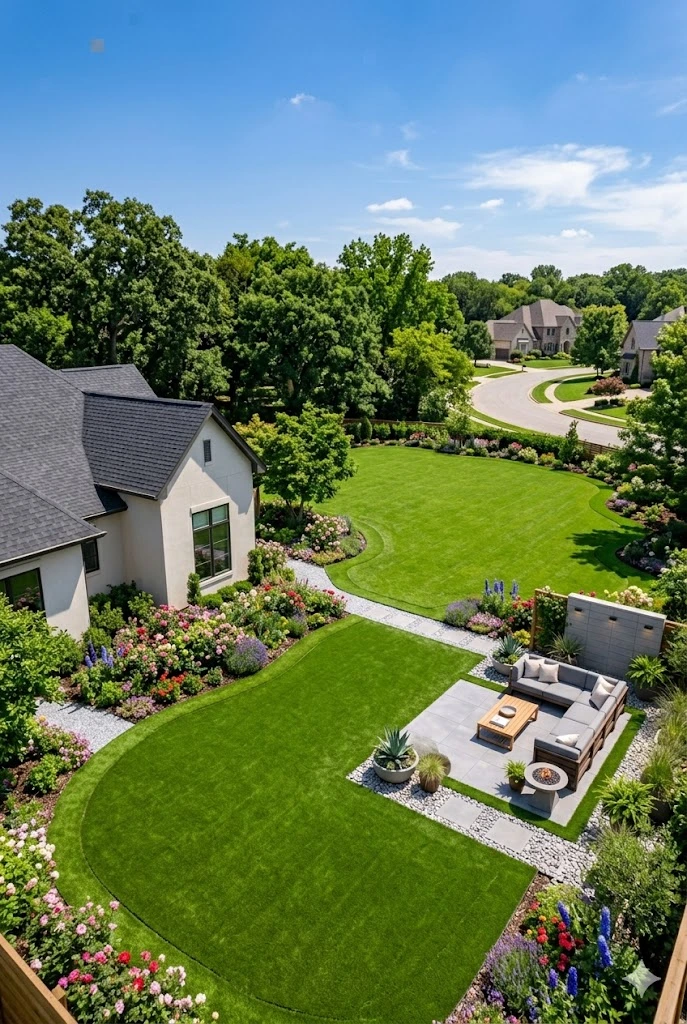
8. Artificial Turf Borders
For a clean and green look without the hassle of mowing, consider using artificial turf.
Benefits of Artificial Turf
- No watering or mowing required.
- Available in various colors and textures.
- Durable and long-lasting.
It’s perfect for creating a neat border that stays vibrant year-round.
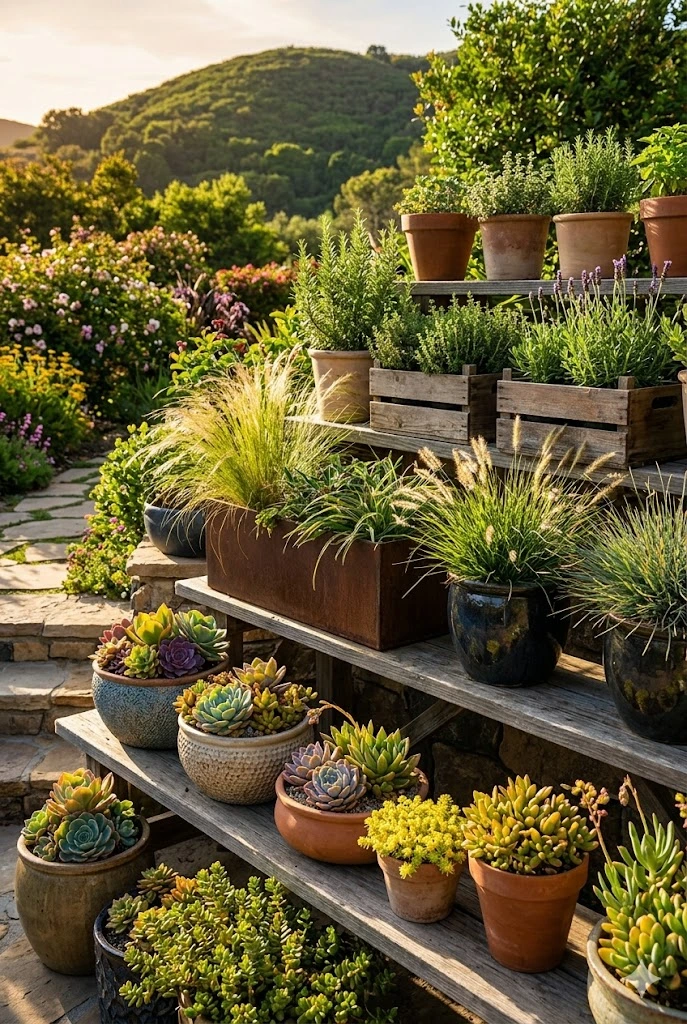
9. Container Gardens
Using containers along your border can add height and interest without the need for permanent planting.
Best Plants for Containers
- Succulents: Low maintenance and available in many shapes.
- Ornamental Grasses: Add texture and movement.
- Herbs: Functional and fragrant, perfect for culinary use.
10. Fencing or Trellises
Install decorative fencing or trellises to create vertical interest and define your garden space.
Using Fences Effectively
- Choose low fences for a casual look.
- Use trellises for climbing plants to add height.
- Consider short picket fences for a charming appeal.
11. Native Plants
Opting for native plants is a great strategy for low-maintenance gardening, as they’re well adapted to your local climate.
Advantages of Native Plants
- Require less water and fertilizer.
- Attract local wildlife and pollinators.
- Less prone to pests and diseases.
These plants will thrive with minimal intervention.
12. Mulched Borders
Using mulch around your garden borders not only looks neat but also helps retain moisture and suppress weeds.
Types of Mulch to Consider
- Bark Mulch: Long-lasting and visually appealing.
- Compost: Enriches the soil as it breaks down.
- Stone Mulch: Great for drainage and low maintenance.
13. Edible Borders
Why not combine beauty with functionality by planting edible borders? These can be both decorative and practical.
Edible Plants for Borders
- Strawberries: Attractive and delicious.
- Chives: Lovely purple flowers and culinary use.
- Rhubarb: Large leaves create a dramatic look.
14. Seasonal Color with Bulbs
Planting bulbs can provide a spectacular seasonal display with very little maintenance.
Easy Bulbs to Grow
- Daffodils: Deer-resistant and naturalize easily.
- Tulips: Available in many colors and shapes.
- Alliums: Unique globe-shaped flowers that attract pollinators.
15. Recycled Materials
Get creative by using recycled materials for your garden borders, like old bricks or wood pallets.
Ideas for Recycled Borders
- Stack old bricks for a charming rustic look.
- Use wooden pallets to create raised borders.
- Integrate broken pottery for a quirky design.
16. Simple Pathway Borders
Creating a simple pathway can effectively define your garden space without too much effort.
Materials for Pathways
- Stepping Stones: Easy to lay and visually appealing.
- Wood Chips: Soft on the feet and natural looking.
- Concrete Pavers: Durable and modern.
17. Vertical Gardens
For small spaces, vertical gardens can serve as a stunning border while saving ground space.
Setting Up a Vertical Garden
- Use wall-mounted planters or trellises.
- Incorporate trailing plants for a lush effect.
- Choose plants that thrive in vertical settings, like ferns and ivy.
Expert Tips
Here are some insider tips to ensure your low-maintenance garden borders thrive:
- Choose the Right Location: Ensure your plants are suited to the sun and shade conditions of your garden.
- Group Plants by Water Needs: This will simplify your watering routine.
- Plan for Growth: Consider the mature sizes of plants to avoid overcrowding.
Common Questions
What are the best low-maintenance plants for borders?
Consider using perennials, native plants, and ground covers as they require less care and are well-suited to your local environment.
How can I keep weeds out of my garden borders?
Using mulch, landscape fabric, and selecting the right plants can help suppress weeds effectively.
Is it better to use natural or synthetic materials for borders?
Natural materials provide a more organic look, while synthetic materials may require less maintenance. Choose based on your garden style and personal preference.
Conclusion
Designing beautiful, low-maintenance garden borders is easier than you think. With these 17 ideas, you can create stunning borders that enhance your garden while reducing the amount of time you spend on upkeep. Embrace simplicity and let nature do the work for you, allowing you to enjoy your garden without the stress of constant maintenance.