Gardening is a rewarding endeavor that often comes with many questions about the best care for our beloved plants. One common curiosity is whether sugar can actually benefit plants. The idea of using sugar in gardening has sparked debate among enthusiasts and experts alike. Some swear by it, while others warn against it. What’s the truth? Let’s dive deep into the world of sugar water and explore its effects on plants, so you can make an informed decision for your garden.
Quick Answer
Using sugar water for plants can provide a quick energy boost, but it’s not a substitute for proper nutrition. While sugar can help in certain situations, excessive use can lead to problems like attracting pests and fostering mold growth. Balance and moderation are key!
Understanding Sugar and Plants
To grasp how sugar interacts with plants, it’s essential first to understand what sugar is and how plants utilize it.
What is Sugar?
Sugar is a simple carbohydrate that plants produce through photosynthesis. The most common type of sugar is sucrose, which is transported through the plant to provide energy for growth, root development, and other essential functions. When considering the use of sugar in your gardening practices, it’s crucial to look at how it affects these processes.
How Do Plants Use Sugar?
- Energy Source: Sugar serves as a primary energy source for plants, fueling cellular processes and growth.
- Storage: Plants store excess sugar in roots, stems, and leaves for later use, especially during periods of dormancy.
- Growth Regulation: Sugars play a role in regulating plant hormones, which influence growth and development.
Benefits of Sugar Water for Plants
Using sugar water can offer several benefits when applied correctly and in moderation.
1. Energy Boost
When diluted in water and applied to soil or foliage, sugar can provide a quick energy source for plants, particularly during stressful conditions like transplanting or extreme weather.
2. Stimulating Microbial Activity
Sugar can act as a food source for beneficial soil microbes. A healthy microbial community can enhance nutrient uptake, promote soil health, and improve overall plant growth.
3. Enhancing Root Development
Some studies suggest that sugar water can stimulate root growth, making it particularly beneficial for young seedlings and transplanting. The extra energy can help roots establish more quickly in their new environment.
How to Use Sugar Water for Plants
If you decide to try sugar water in your gardening routine, here’s how to do it effectively.
1. Preparing Sugar Water
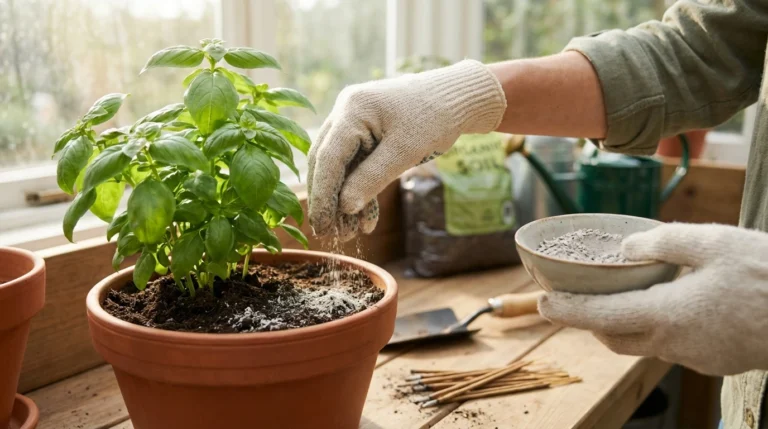
To make sugar water, mix one tablespoon of granulated sugar into one quart of warm water. Stir until the sugar is completely dissolved. Allow the mixture to cool before using it on your plants.
2. Application Methods
- Soil Drench: Pour the sugar water directly onto the soil around the base of the plants.
- Foliar Spray: Use a spray bottle to mist the diluted sugar water onto the leaves early in the morning or late in the afternoon to prevent sunburn.
3. Frequency of Use
Apply sugar water sparingly—once every 2-4 weeks is generally sufficient. Overuse can lead to problems, such as attracting unwanted pests or promoting fungal growth.
Common Mistakes When Using Sugar Water
<pWhile sugar water can be beneficial, there are several common pitfalls to avoid to ensure your plants thrive.
1. Overapplication
Using sugar water too frequently can disrupt the natural balance of nutrients in the soil, leading to potential issues with plant health. Moderation is key!
2. Ignoring Soil Health
Relying solely on sugar water without addressing overall soil health can lead to nutrient deficiencies. Always ensure your soil is rich in organic matter and has a balanced nutrient profile.
3. Not Diluting Properly
Applying sugar in concentrated forms can harm plants. Always ensure that sugar is adequately diluted in water before application.
Ideas for Using Sugar Water in Your Garden
Here are some creative and visual ideas to inspire your use of sugar water in gardening:
- Seedling Revival: Use sugar water to revive struggling seedlings and encourage rapid root growth.
- Stress Relief: Mist your plants with sugar water before and after a stressful event, like transplanting or repotting.
- Microbe Feast: Incorporate sugar water into your compost tea to boost beneficial microbial activity.
- Flower Boost: Use sugar water on flowering plants to enhance bloom size and vibrancy.
Expert Tips for Sugar Water Usage
Here are some insider tips to maximize the benefits of sugar water while minimizing risks:
1. Use Raw Sugar
Consider using raw or organic sugars instead of refined white sugar. They contain trace minerals that may benefit plant health.
2. Combine with Other Nutrients
Mix sugar water with organic fertilizers to boost its effectiveness, providing a well-rounded nutrient source for your plants.
3. Monitor Plant Response
Keep an eye on how your plants respond to sugar water. If you notice any signs of stress or mold, reduce or discontinue use.
Common Questions About Sugar Water for Plants
1. Can sugar water harm my plants?
Yes, excessive use of sugar water can lead to mold growth and attract pests, which can harm your plants. Use it sparingly and monitor plant health.
2. Is sugar water safe for all plants?
Most plants can tolerate sugar water, but some may be more sensitive. Start with a small application to test your specific plants’ response.
3. Can I use brown sugar instead of white sugar?
Yes, brown sugar can be used as an alternative. It contains molasses, which adds additional nutrients that can benefit plants.
4. How does sugar water compare to regular fertilizer?
Sugar water provides a quick energy boost, while fertilizers supply a broader range of nutrients essential for long-term plant health.
5. How often can I apply sugar water to my plants?
Once every 2-4 weeks is generally sufficient. Overapplication can lead to issues, so it’s vital to maintain moderation.
Conclusion
Understanding the role of sugar in plant care can enhance your gardening experience. While sugar water can be beneficial in moderation, it’s essential to maintain a balanced approach to plant nutrition. By following these guidelines, you can harness the power of sugar water to support your plants’ growth and vitality. Happy gardening!