Have you ever reached for that bag of potting soil tucked away in the garage only to wonder if it’s still good? You’re not alone! Many gardeners face the dilemma of figuring out whether potting soil has gone bad or if it can still help their plants thrive. Understanding the lifespan of potting soil and how to store it properly can save you time, money, and frustration when cultivating your green space. Let’s delve into the ins and outs of potting soil, its shelf life, and how to ensure it’s always in prime condition for your gardening needs.
Does Potting Soil Go Bad?
Yes, potting soil can go bad, primarily due to its organic components breaking down over time. When soil components decompose, they can lose their nutrients and structure, which may hinder plant growth. Potting soil typically includes a mixture of peat moss, compost, and other organic materials, all of which have a finite lifespan. Additionally, factors like moisture, pests, and mold can further compromise the quality of potting soil.
What Affects the Lifespan of Potting Soil?
Several factors can affect the longevity of potting soil:
- Moisture Levels: Excess moisture can lead to mold growth, while dry conditions can cause nutrients to break down.
- Storage Conditions: Temperature and light exposure can accelerate the degradation of organic materials.
- Type of Ingredients: Some potting soils have additives like fertilizers that may have shorter shelf lives.
- Pest Infestation: Bugs and pests can infest bags of soil, compromising their quality.
How Long Does Potting Soil Last?
The longevity of potting soil varies based on its composition and storage conditions. Generally, unopened bags of potting soil can last for up to two years if stored correctly. However, once opened, it should ideally be used within six months to a year. Let’s break it down further:
Unopened Potting Soil
- Typical Shelf Life: 1-2 years.
- Storage Advice: Keep in a cool, dry place away from direct sunlight.
Opened Potting Soil
- Typical Shelf Life: 6 months to 1 year.
- Storage Advice: Seal tightly in a moisture-proof container to prolong freshness.
Signs That Potting Soil Has Gone Bad
Identifying bad potting soil is crucial for maintaining healthy plants. Here are some telltale signs:
- Unpleasant Odor: A strong, sour smell indicates anaerobic bacteria growth, which is harmful.
- Presence of Mold: White, fuzzy mold on the surface is a clear sign of deterioration.
- Changes in Texture: If the soil has compacted or hardened significantly, it may no longer provide proper aeration.
- Insect Infestation: Visible bugs or pests suggest that the soil is compromised.
How to Store Potting Soil Properly
Storing potting soil correctly can extend its lifespan and effectiveness. Here are some practical tips:
Choosing the Right Container
- Opt for airtight containers to prevent moisture entry.
- Use bins made of plastic or metal, as they are less permeable than paper bags.
Ideal Storage Conditions
- Temperature: Aim for a cool environment, ideally between 60-70°F.
- Humidity: Keep humidity levels low to avoid mold growth.
- Light: Store in a dark place, as light can degrade organic components.
Labeling and Rotation
- Label containers with the purchase date to track freshness.
- Rotate older soil to the front for first use.
Expert Tips for Using Potting Soil
To maximize the effectiveness of your potting soil, consider these expert tips:
- Mix Fresh Soil: Combine old soil with fresh mixes to boost nutrient levels.
- Check pH Levels: Test soil pH to ensure it’s suitable for your intended plants.
- Add Amendments: Soil amendments like perlite or vermiculite can improve drainage and aeration.
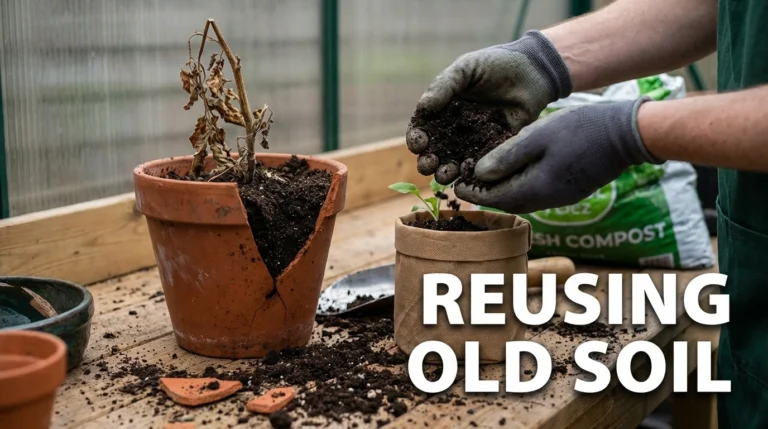
What to Do with Old Potting Soil
Don’t throw away old potting soil just yet! Here are some creative ways to reuse or dispose of it:
Reuse in the Garden
- Composting: Add old soil to your compost pile to enrich it.
- Mulching: Use as mulch around garden beds to retain moisture.
Repurpose for Non-Plant Uses
- Filling Holes: Use it to fill holes or low spots in your yard.
- Craft Projects: Incorporate into DIY projects or decorations.
Common Questions About Potting Soil
Can I use expired potting soil?
While expired potting soil may not provide optimal nutrients, it can still be used if it shows no signs of mold or pests. Mixing it with fresh soil can also help.
Is it safe to use potting soil that smells bad?
No, a foul odor typically indicates the presence of harmful bacteria. It’s best to dispose of any soil that emits a strong, unpleasant smell.
How can I tell if my potting soil is still good?
Check for texture, smell, and any signs of mold or pests. If the soil appears dry and is free from contaminants, it’s likely still good to use.
Can I store potting soil in the garage?
Yes, but ensure it’s sealed properly and stored in a cool, dry place away from direct sunlight to maintain its quality.
What types of plants benefit from fresh potting soil?
Most plants benefit from fresh potting soil, especially those that require good drainage and nutrient-rich media, such as vegetables, herbs, and flowering plants.
Conclusion
Understanding the lifespan and proper storage of potting soil can significantly enhance your gardening experience. By keeping an eye on the signs of deterioration and employing smart storage techniques, you can ensure your soil remains in top condition for your plants. Remember, a little care in handling your potting soil can lead to thriving plants and a beautiful garden.