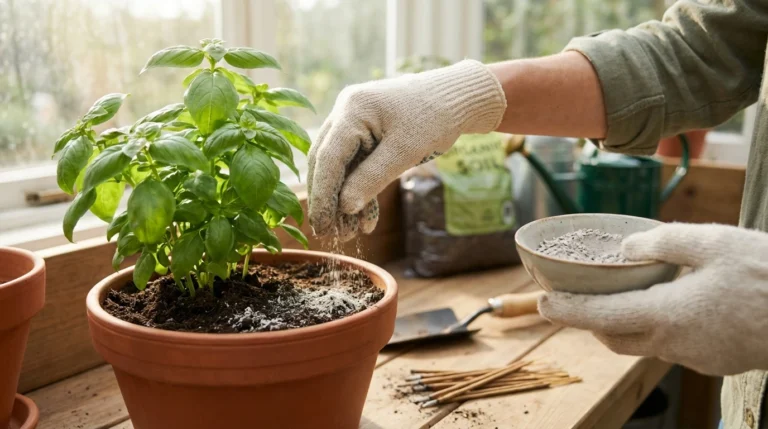
As the vibrant colors of summer fade and the air turns crisp, many gardeners might feel the urge to retreat indoors. However, fall is not a time to put away the gardening tools; it’s the ideal season to plant bulbs that will bloom into a stunning display in the spring. Whether you’re a seasoned gardener or just starting, knowing which bulbs to plant in the fall can set the stage for a breathtaking garden. Let’s explore the best options, tips for planting, and how to create a garden that bursts with color when spring arrives.
Quick Answer
Planting bulbs in the fall, such as tulips, daffodils, and hyacinths, ensures a vibrant spring garden. Choose bulbs suited for your climate, prepare the soil, and plant them at the right depth for stunning blooms come springtime.
Why Plant Bulbs in Fall?
Fall is the perfect time to plant bulbs for several reasons:
- Root Development: Bulbs planted in fall establish their roots before winter sets in, leading to stronger growth in spring.
- Less Competition: Cooler temperatures and increased moisture create optimal conditions for bulbs, with less competition from weeds.
- Spring Surprise: Planting in fall allows you to enjoy a beautiful burst of color as early as February or March, depending on the bulbs chosen.
Choosing the Right Bulbs
When selecting bulbs for your fall planting, consider your local climate, soil type, and personal aesthetic preferences. Here are some popular bulb choices:
1. Tulips
Tulips are iconic spring flowers that come in a wide variety of colors and shapes. They thrive in well-drained soil and need a cold winter to bloom effectively.
2. Daffodils
Daffodils are hardy and often deer-resistant, making them a favorite among gardeners. Their vibrant yellow blooms herald the arrival of spring.
3. Hyacinths
Known for their delightful fragrance, hyacinths come in various colors, including blue, pink, and white. They prefer well-drained soil and full sun.
4. Crocuses
Crocuses are among the first flowers to bloom in spring, often poking through snow. They are small but pack a punch with their cheerful colors.
5. Alliums
These striking globe-shaped flowers add height and drama to your garden. Alliums are easy to grow and attract pollinators.
Step-by-Step Guide to Planting Bulbs
Now that you know which bulbs to choose, let’s dive into the planting process.
Step 1: Timing is Key
Fall is the ideal time, typically between September and November, depending on your growing zone. Aim to plant bulbs about six weeks before the ground freezes.
Step 2: Choose the Right Location
Most bulbs prefer full sun to partial shade. Select a site that receives at least six hours of sunlight per day.
Step 3: Prepare the Soil
Good drainage is crucial for bulb health. Here’s how to prepare your soil:
- Test the pH level; most bulbs prefer slightly acidic to neutral soil (pH 6.0 to 7.0).
- Loosen the soil with a garden fork or tiller to a depth of at least 12 inches.
- Add organic matter, such as compost, to improve drainage and nutrient content.
Step 4: Plant at the Right Depth
General planting depth guidelines:
- Small Bulbs: Plant at a depth of 2-3 inches.
- Medium Bulbs (like tulips): Plant 6-8 inches deep.
- Large Bulbs (like daffodils): Plant 8-12 inches deep.
Always plant bulbs with the pointed end facing up!
Step 5: Watering
After planting, water the bulbs thoroughly to settle the soil. Ensure the area remains moist but not soggy until the ground freezes.
Step 6: Mulching
Apply a layer of mulch to help retain moisture and regulate soil temperature. This also prevents weed growth.
Pinterest-Style Ideas for Your Bulb Garden
Creating a visually stunning bulb garden can be an inspiring project. Here are some creative ideas to consider:
1. Color Blocks
Plant bulbs in blocks of color for a dramatic effect. For example, a sea of yellow daffodils next to purple hyacinths creates a striking contrast.
2. Layered Planting
Consider planting bulbs in layers—tall alliums in the back, medium tulips in the middle, and low-growing crocuses in the front for depth.
3. Fragrance Garden
Include fragrant bulbs like hyacinths and lilies to create a sensory experience in your garden.
4. Container Gardens
For those with limited space, plant bulbs in containers. This allows for easy movement and can add charm to your patio or balcony.
5. Naturalizing
Naturalize bulbs by scattering them in a more organic pattern across your lawn or wildflower area for a more relaxed look.
Expert Tips for Successful Bulb Planting
Here are some insider tips to ensure your bulb planting is a success:
- Choose Quality Bulbs: Select large, firm bulbs without blemishes. Bigger bulbs often produce more significant blooms.
- Consider Companion Planting: Pair bulbs with perennials that will emerge later in the season to fill in the gaps as bulbs fade.
- Label Your Bulbs: Write down where you’ve planted each type for easy identification when they sprout.
- Rotate Your Bulbs: To prevent disease, rotate bulb planting locations each year.
- Watch for Pests: Be on the lookout for pests like squirrels. Consider using repellents or planting bulbs deeper to deter them.
Common Questions About Fall Bulb Planting
1. When is the best time to plant bulbs in the fall?
The best time to plant bulbs is typically between September and November, at least six weeks before the ground freezes.
2. How deep should I plant my bulbs?
Plant bulbs at a depth of two to three times their height. Generally, small bulbs should be 2-3 inches deep, while larger bulbs like daffodils should be 8-12 inches deep.
3. Can I plant bulbs in containers?
Absolutely! Planting bulbs in containers allows for versatility and can create stunning displays on patios and balconies.
4. What should I do if I forget to plant bulbs in fall?
If you miss the fall planting window, you can still plant certain bulbs in early spring as soon as the soil is workable, though blooms may be delayed.
5. How do I care for bulbs after they bloom?
After blooming, allow the foliage to die back naturally as it nourishes the bulb for next year’s growth. Avoid cutting the leaves until they turn yellow.
Conclusion
Planting bulbs in the fall is a rewarding endeavor that paves the way for a stunning spring garden. With the right choices, preparation, and care, you can create a colorful and fragrant display that will delight your senses and bring joy to your outdoor space. So grab your gardening gloves and start planning your bulb garden today—spring will be here before you know it!