Have you ever wondered if those banana peels sitting in your kitchen can do more than just add flavor to your smoothie? Many gardeners are discovering the power of banana peel fertilizer, a simple and effective way to boost plant health and productivity. With the rising interest in organic gardening and sustainable practices, utilizing kitchen scraps as fertilizer is not only cost-effective but also environmentally friendly. Let’s dive into the benefits, how-to methods, and the best practices for using banana peels in your garden!
Quick Answer
Banana peels are an excellent source of nutrients like potassium, phosphorus, and calcium, making them a fantastic DIY fertilizer for plants. They can enhance soil health, promote flowering, and improve overall plant growth.
Understanding Banana Peel Nutrients
Before diving into how to use banana peels as fertilizer, it’s essential to understand what makes them so beneficial for your garden. Here’s a quick breakdown of the key nutrients found in banana peels:
Potassium
Potassium is crucial for plant health. It helps regulate water in plants, boosts disease resistance, and is vital for flowering and fruiting. Banana peels contain about 42% potassium, which is why they are often recommended for fruit-bearing plants.
Phosphorus
Phosphorus plays a significant role in energy transfer within plants, aiding in root development and flowering. It’s essential for the overall growth of plants, and banana peels provide a healthy dose of this nutrient.
Calcium
Calcium strengthens plant cell walls and contributes to overall plant structure. It’s especially beneficial for preventing blossom end rot in tomatoes and peppers, making banana peels a great addition to your garden.
Other Nutrients
Besides potassium, phosphorus, and calcium, banana peels also contain magnesium, sulfur, and various trace minerals that contribute to plant health. These nutrients are released slowly into the soil, providing a long-lasting effect.
How to Use Banana Peels as Fertilizer
Using banana peels in your garden is simple and can be done in several ways. Here are some effective methods to make the most out of this natural fertilizer.
1. Direct Application
The easiest way to use banana peels is to simply bury them in your garden soil. Here’s how:
- Chop the banana peels into smaller pieces to speed up decomposition.
- Dig a small hole in your garden or around the base of your plants.
- Place the chopped peels in the hole and cover them with soil.
This method allows nutrients to be released directly into the soil, feeding your plants as they grow.
2. Banana Peel Tea
Banana peel tea is a concentrated liquid fertilizer that can be easily made at home. Here’s a simple recipe:
- Take 2-3 banana peels and chop them into small pieces.
- Place the chopped peels in a jar and fill it with water.
- Let it steep for 24-48 hours.
- Strain the liquid and dilute it with more water if desired.
- Use this tea to water your plants once a week.
This method not only provides nutrients but also helps to retain moisture in the soil.
3. Composting with Banana Peels
If you’re already composting, banana peels make an excellent addition to your compost pile. They add valuable nutrients and help to balance the carbon-to-nitrogen ratio. Here’s how to do it:
- Chop the banana peels into small pieces to speed up decomposition.
- Add them to your compost bin along with other organic materials like vegetable scraps, grass clippings, and leaves.
- Turn the compost regularly to aerate it and encourage decomposition.
After a few weeks, you’ll have nutrient-rich compost to use in your garden.
4. Fertilizer Mixes
You can also combine banana peels with other organic materials to create a nutrient-rich fertilizer mix. Here’s a simple recipe:
- 1 part chopped banana peels
- 1 part coffee grounds
- 1 part crushed eggshells
Mix these ingredients together and apply them around your plants. This mix offers a balanced nutrient profile, promoting healthy growth.
Benefits of Using Banana Peel Fertilizer
Using banana peels as fertilizer comes with a plethora of benefits:
1. Cost-Effective
Instead of throwing away banana peels, repurpose them into a valuable resource for your garden. This not only saves money but also reduces kitchen waste.
2. Environmentally Friendly
Using organic materials like banana peels helps maintain a sustainable gardening practice. It reduces reliance on chemical fertilizers, which can harm the environment.
3. Promotes Healthy Soil
Banana peels improve soil structure and fertility over time, encouraging beneficial microorganisms and earthworms to thrive.
4. Enhances Plant Growth
The nutrients in banana peels support overall plant health, leading to more robust growth, increased flowering, and a bountiful harvest.
Common Mistakes to Avoid
<pWhile banana peels are an excellent resource, there are some common mistakes that gardeners should avoid:
1. Overusing Banana Peels
While beneficial, too much can lead to an imbalance of nutrients in the soil. Moderation is key. Use banana peels as a supplement rather than the primary source of fertilizer.
2. Not Chopping Peels
Whole banana peels can take longer to decompose and may attract pests. Always chop them into smaller pieces for efficient breakdown.
3. Ignoring Soil Conditions
Before applying banana peels, assess your soil’s nutrient levels. If your soil is already high in potassium, adding more could lead to nutrient imbalances.
Expert Tips for Maximizing Banana Peel Fertilizer
Here are some insider tips to get the most out of banana peel fertilizer:
1. Combine with Other Organic Fertilizers
Mixing banana peels with other organic fertilizers, such as compost or worm castings, can create a more balanced nutrient profile for your plants.
2. Use for Specific Plants
Banana peels are especially beneficial for flowering plants and fruit-bearing vegetables like tomatoes, peppers, and roses. Tailor your use of banana peels based on what you’re growing.
3. Store Leftover Peels
If you have leftover banana peels, store them in a sealed bag in the freezer. This way, you can add them to your compost or use them later without worrying about spoilage.
Common Questions About Banana Peel Fertilizer
1. How often should I use banana peel fertilizer?
Using banana peel fertilizer once every 1-2 weeks is generally sufficient. Adjust based on your plants’ needs and soil conditions.
2. Can I use dried banana peels as fertilizer?
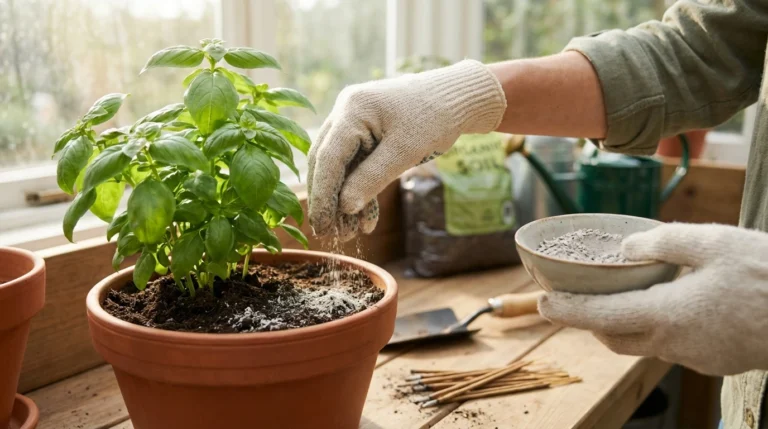
Yes, dried banana peels can be ground into a powder and sprinkled around plants or mixed into compost for an added nutrient boost.
3. Do banana peels attract pests?
While banana peels can attract pests if left exposed, burying them or mixing them into the soil can help minimize this issue.
4. Can I use banana peel fertilizer on all plants?
While banana peels benefit most plants, it’s best to use them primarily for flowering and fruiting plants that require higher potassium levels.
Conclusion
Incorporating banana peels into your gardening routine offers a simple, sustainable way to nurture your plants. Packed with essential nutrients, banana peels can significantly enhance soil health and support robust plant growth. By using them wisely and avoiding common pitfalls, you can turn kitchen scraps into a powerful ally in your garden. So, the next time you enjoy a banana, remember that its peel can help you grow a thriving garden!