Have you ever sipped your morning coffee and wondered if those leftover grounds could do more than just sit in the trash? Many gardeners are discovering the benefits of using coffee grounds for houseplants, but the topic can be a bit confusing. Are they really beneficial, or could they do more harm than good? Let’s explore the ins and outs of using coffee grounds in your plant care routine, providing you with actionable tips and insights to help your indoor garden thrive.
Quick Answer
Yes, coffee grounds can be good for houseplants! They provide essential nutrients, improve soil structure, and can enhance plant growth. However, moderation is key to avoid potential issues.
Understanding Coffee Grounds and Their Nutritional Value
Coffee grounds are a rich source of various nutrients that can be beneficial for houseplants. They contain:
- Nitrogen: Essential for leaf growth and overall plant health.
- Phosphorus: Promotes root development and flowering.
- Potassium: Aids in overall plant function and disease resistance.
- Calcium: Supports cell wall structure in plants.
Additionally, coffee grounds can introduce beneficial microorganisms to the soil, improving its health and fertility. But while coffee grounds offer numerous advantages, using them wisely is crucial.
Benefits of Using Coffee Grounds for Houseplants
1. Nutrient Boost
Coffee grounds are often touted as a natural fertilizer. They enrich the soil with nitrogen, which is particularly beneficial for leafy plants like ferns and pothos. Adding grounds can enhance your plants’ growth and vibrancy.
2. Improved Soil Structure
When mixed into the soil, coffee grounds can help improve drainage and aeration. This is especially beneficial for potted plants, as compacted soil can hinder root growth and water absorption.
3. Moisture Retention
Adding coffee grounds can help retain moisture in the soil, reducing the need for frequent watering. This helps maintain a consistent level of humidity around the roots, creating a better environment for growth.
4. Pest Deterrent
Some gardeners report that coffee grounds can help ward off pests such as slugs and snails, making them a natural deterrent in your indoor garden.
5. Acidic Soil Benefits
Certain houseplants, like azaleas and blueberries, prefer acidic soil. Coffee grounds can help lower the pH level, making the soil more acidic and suitable for these plants.
How to Use Coffee Grounds Effectively
To maximize the benefits of coffee grounds for your houseplants, consider the following methods:
1. Direct Application
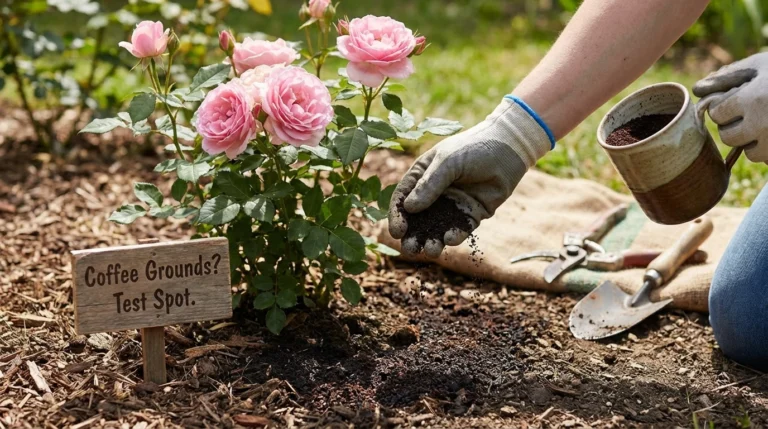
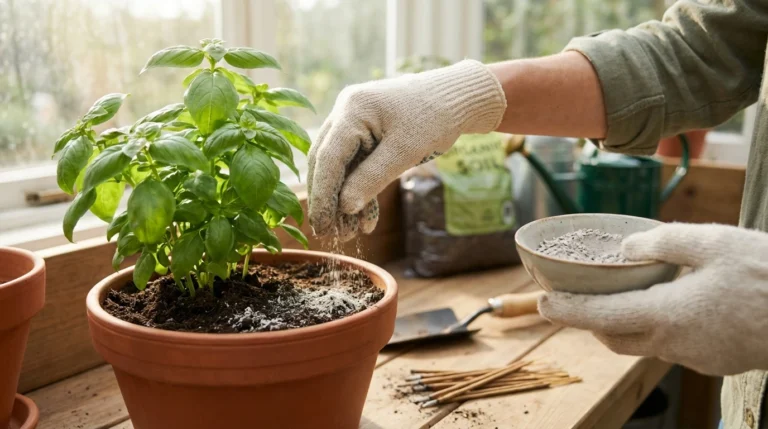
Sprinkle a thin layer of dried coffee grounds on the surface of the soil. This method allows the nutrients to seep into the soil with water during watering. Aim for a light dusting to avoid any potential mold growth.
2. Composting
Incorporate coffee grounds into your compost pile. This method helps to balance the carbon-to-nitrogen ratio, providing a rich organic matter source for your plants.
3. Liquid Fertilizer
Create a liquid fertilizer by steeping coffee grounds in water for 24 hours. This nutrient-rich tea can be used to water your houseplants, offering a quick nutrient boost.
4. Soil Amendment
Mix coffee grounds directly into the potting soil before planting. This can help improve soil structure and provide a slow-release of nutrients as the grounds break down.
Common Mistakes to Avoid
While coffee grounds can be beneficial, there are common pitfalls to avoid:
- Overapplication: Too much coffee grounds can lead to soil compaction and potential mold growth. Stick to a thin layer or mix them well into the soil.
- Using Fresh Grounds: Fresh coffee grounds can be too acidic and may inhibit plant growth. Always use dried or composted coffee grounds.
- Neglecting Plant Needs: Not all plants benefit from coffee grounds. Be sure to understand your plant’s specific needs before applying.
Ideas for Coffee Grounds in Plant Care
Here are some inspiring ways to incorporate coffee grounds into your plant care routine:
- Mix with Potting Soil: Blend coffee grounds into your potting mix for a nutrient boost.
- Make a Fertilizer Tea: Steep coffee grounds in water and use the brew to water your plants.
- Top Soil Dressing: Use coffee grounds as a decorative top dressing to enhance the look of your pots.
- Create a Pest Barrier: Spread coffee grounds around plants to deter unwanted pests.
- Incorporate into Compost: Add coffee grounds to your compost pile for a nutrient-rich amendment.
Expert Tips for Using Coffee Grounds
Here are some insider tips to make the most of coffee grounds for your houseplants:
- Mix with Other Amendments: Combine coffee grounds with other organic materials like leaves or grass clippings for a balanced approach.
- Store Properly: Keep coffee grounds in a dry, airtight container to prevent mold.
- Observe Plant Responses: Pay attention to how your plants react after applying coffee grounds. Adjust usage based on their health and growth.
Common Questions About Coffee Grounds and Houseplants
1. Can all houseplants benefit from coffee grounds?
No, not all houseplants thrive with coffee grounds. Acid-loving plants benefit most, while others may not respond well.
2. How often should I use coffee grounds on my plants?
Use coffee grounds sparingly, about once a month as a supplement, rather than a primary fertilizer.
3. Can coffee grounds cause mold growth?
Yes, if used excessively or not allowed to dry, coffee grounds can lead to mold. Always apply in moderation.
4. Are coffee grounds safe for pets?
Coffee grounds can be toxic to pets, particularly cats and dogs. Keep them out of reach to ensure safety.
5. What should I do if my plants show signs of distress after using coffee grounds?
If your plants show signs of distress, stop using coffee grounds immediately and flush the soil with water to dilute the effects.
Conclusion
Using coffee grounds for houseplants can be a game-changer in your gardening routine. They offer a wealth of nutrients and benefits that can help your indoor plants thrive. Just remember to use them wisely, observing how your plants react to ensure they receive the best care possible. With a little experimentation and attention, you can turn your coffee habit into a powerful ally for your plants!