Aloe plants are beloved by many for their striking appearance and low-maintenance requirements. As a succulent, they thrive with minimal care, making them ideal for busy individuals or those new to gardening. However, one question that often arises is, “How long do aloe plants live?” The answer is not as straightforward as you might think. While some aloe species can thrive for decades with proper care, others may not have the same longevity. Let’s dive into the lifespan of aloe plants, what factors influence their longevity, and how you can ensure your aloe thrives for years to come.
Understanding Aloe Plant Lifespan
The lifespan of an aloe plant can vary significantly based on several factors, including the species, growing conditions, and care practices. Generally, aloe plants can live anywhere from 5 to 25 years, with some species known to outlive their owners. The most common species, Aloe vera, is particularly resilient and can thrive for many years when properly cared for.
Factors Influencing Aloe Plant Longevity
Several key factors can impact how long your aloe plant will live:
- Species: Different aloe species have varying lifespans. While Aloe vera can live for decades, others like Aloe aristata may have shorter lifespans.
- Growing Conditions: Light, temperature, and humidity all play a significant role in the health of your aloe. They thrive in bright, indirect light and prefer warmer temperatures.
- Soil Quality: Well-draining soil is essential for aloe plants. Poor soil can lead to root rot and other issues that shorten their lifespan.
- Watering Practices: Overwatering is one of the most common mistakes made with aloe plants. It’s crucial to allow the soil to dry out between waterings.
- Fertilization: Aloe plants don’t require heavy feeding. Using the right fertilizer at the right time can promote health and longevity.
Species of Aloe and Their Lifespans
Understanding the specific species of your aloe plant can give you a clearer idea of its potential lifespan. Here are some popular varieties:
Aloe Vera
Aloe vera is the most well-known species and is often celebrated for its medicinal properties. With proper care, Aloe vera can live up to 25 years or more. They flourish in bright, indirect light and only require watering every few weeks.
Aloe Arborescens
This species is more tree-like and can grow quite tall. Aloe arborescens can live around 15 to 25 years, depending on care. They need ample sunlight and well-draining soil to thrive.
Aloe Brevifolia
Aloe brevifolia, also known as the short-leaved aloe, typically has a lifespan of 10 to 20 years. This species is compact and makes an excellent houseplant, thriving with minimal care.
Aloe Ferox
Known for its striking appearance and medicinal uses, Aloe ferox can live for 20 years or more. It prefers full sun and well-draining soil, making it ideal for outdoor gardens in warm climates.
How to Care for Your Aloe Plant
To ensure that your aloe plant enjoys a long and healthy life, follow these caring tips:
Light Requirements
Aloe plants thrive in bright, indirect sunlight. Placing them near a window with filtered light is ideal. However, too much direct sunlight can scorch their leaves, so be mindful of their placement.
Watering Guidelines
Watering is critical to the health of your aloe. Here’s how to do it right:
- Allow the top 2 inches of soil to dry out completely before watering again.
- During the growing season (spring and summer), water more frequently, but still allow the soil to dry out.
- In the fall and winter, reduce watering significantly as the plant enters a dormant phase.
Soil Type
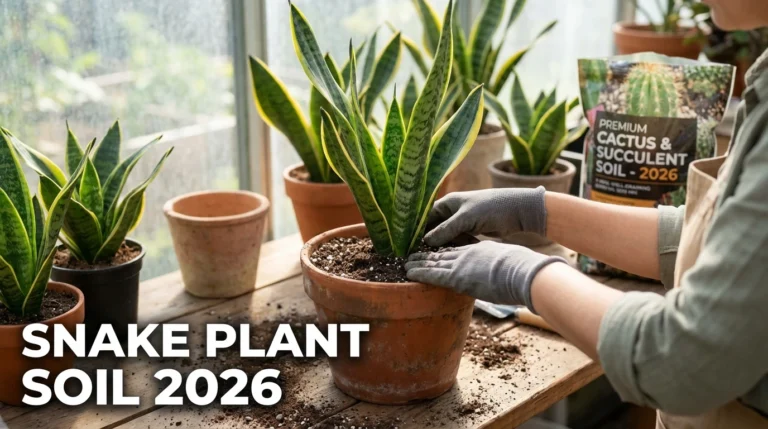
Using the right soil mix is crucial. A well-draining cactus or succulent mix is ideal for aloe plants. You can also create your own by mixing regular potting soil with sand or perlite to enhance drainage.
Fertilization Practices
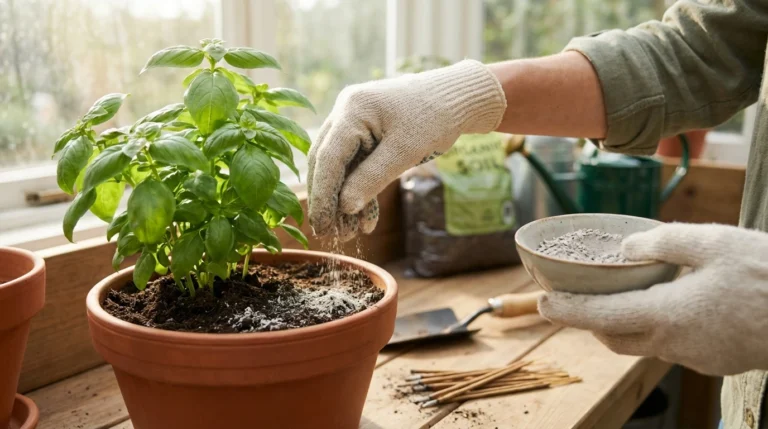
Aloe plants do not require heavy fertilization, but a light feeding during the growing season can promote health. Use a balanced, water-soluble fertilizer diluted to half strength once every 4-6 weeks.
Potting and Repotting
Aloe plants benefit from being slightly root-bound, so you don’t need to repot them frequently. However, if you notice roots coming out of the drainage holes, it’s time to repot into a slightly larger container.
Common Mistakes to Avoid
Even seasoned gardeners can make mistakes with aloe plants. Here are some common pitfalls and how to avoid them:
- Overwatering: This is the most common mistake. Always ensure the soil dries out before watering again.
- Insufficient Light: If your aloe is leggy or stretching, it may not be getting enough light. Move it to a brighter location.
- Using Heavy Soil: A dense soil can retain too much moisture. Stick to well-draining mixes.
- Ignoring Pests: While aloe plants are relatively pest-resistant, they can still attract mealybugs or aphids. Regularly check your plants and treat infestations promptly.
Ideas for Aloe Plant Displays
If you’re looking to showcase your aloe plants in creative ways, consider these inspiring ideas:
- Terrarium Displays: Create a mini desert landscape with various aloe species in a glass terrarium for a stunning centerpiece.
- Hanging Planters: Use hanging planters to showcase trailing aloe varieties, adding vertical interest to your space.
- Window Sill Gardens: Arrange multiple aloe pots of different sizes along a sunny window sill for a lush, green display.
- Group Plantings: Mix aloe with other succulents in a large planter for a beautiful, drought-tolerant arrangement.
- Decorative Pots: Use colorful or patterned pots that complement your home decor to make your aloe plants stand out.
Expert Tips for Keeping Your Aloe Healthy
Want to ensure your aloe plant lives a long, healthy life? Here are some insider tips:
- Rotate Your Plants: Rotating your aloe every few weeks can encourage even growth and prevent it from leaning towards the light.
- Use a Moisture Meter: If you struggle to gauge when to water, a moisture meter can help you determine the right time.
- Consider Outdoor Placement: In warmer climates, consider placing your aloe outside during the summer for optimal growth.
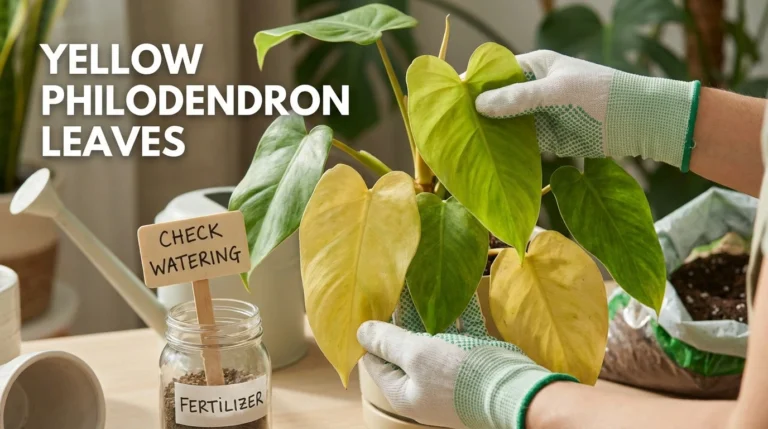
- Watch for Signs of Stress: Yellowing leaves can indicate overwatering, while browning tips may suggest underwatering. Adjust your care accordingly.
Common Questions About Aloe Plant Lifespan
How long can an aloe plant live in a pot?
An aloe plant can live for many years in a pot—typically between 5 to 25 years—depending on care, species, and growing conditions.
What should I do if my aloe plant starts to wilt?
Wilting can be a sign of both overwatering and underwatering. Check the soil moisture and adjust your watering schedule accordingly.
Can I propagate my aloe plant, and will it affect its lifespan?
Yes, aloe can be propagated through offsets (pups) without negatively affecting the parent plant’s lifespan. Just ensure the pup has roots before separating.
Is there a way to tell how old my aloe plant is?
While there’s no precise way to determine the age, size and health can give you clues. Older plants tend to be larger and may have more pups.
What pests should I watch out for with aloe plants?
Common pests include mealybugs and aphids. Regularly inspect your aloe and treat any infestations promptly with insecticidal soap or neem oil.
Conclusion
Aloe plants can be incredibly long-lived when given the right care and conditions. With proper attention to light, watering, soil, and potential pests, your aloe can thrive for many years—perhaps even decades. Embrace your green thumb, and enjoy the journey of nurturing your aloe plant. By keeping your aloe healthy and happy, you can create a lasting companion that brings beauty and benefits to your home for years to come.