Succulents have become one of the most popular houseplants, celebrated for their unique shapes, vibrant colors, and low maintenance needs. But beyond their aesthetic appeal, many plant enthusiasts wonder: do succulents produce oxygen? Understanding how these remarkable plants contribute to our indoor air quality can enhance our appreciation for them. Join me as we explore the fascinating world of succulents, their oxygen production, and the myriad health benefits they offer.
Do Succulents Produce Oxygen?
Yes, succulents do produce oxygen, just like many other plants. During the process of photosynthesis, they take in carbon dioxide and release oxygen, which is essential for our breathing. However, the amount of oxygen they produce can vary significantly based on the type of succulent and its growing conditions. Unlike traditional houseplants, succulents have unique adaptations that allow them to thrive in arid environments, which influences their oxygen output.
The Science Behind Succulent Oxygen Production
To understand how succulents produce oxygen, it’s essential to grasp the basics of photosynthesis. This process occurs primarily during the day when plants absorb sunlight and carbon dioxide. Succulents, like many other plants, use chlorophyll in their leaves to capture light energy, which is then converted into chemical energy to fuel growth.
Photosynthesis Process
- Plants absorb sunlight through their leaves.
- Carbon dioxide enters the plant through tiny openings called stomata.
- Water absorbed by roots is transported to the leaves.
- Using sunlight, plants convert carbon dioxide and water into glucose and oxygen.
This oxygen is then released back into the atmosphere, contributing to the air we breathe. Succulents have adapted to store water in their leaves and stems, which allows them to photosynthesize efficiently even in low-water conditions.
Types of Succulents and Their Oxygen Output
Not all succulents are created equal when it comes to oxygen production. Some of the most popular types include:
- Aloe Vera: Known for its medicinal properties, Aloe Vera is also an effective oxygen producer.
- Jade Plant (Crassula ovata): This resilient plant is a great choice for improving indoor air quality.
- Hens and Chicks (Sempervivum): These hardy succulents can thrive in various conditions while contributing to oxygen levels.
- Agave: While more commonly known for its use in tequila production, agave can also help purify the air.
Each of these varieties varies in size, shape, and photosynthesis efficiency, which affects their oxygen output. For instance, larger succulents can produce more oxygen than smaller varieties simply due to their larger leaf surface area.
Health Benefits of Succulents
Beyond their oxygen-producing capabilities, succulents offer several health benefits that can enhance our living spaces and overall well-being. Here are some key advantages:
1. Improved Air Quality
Plants, including succulents, can significantly improve indoor air quality. They absorb pollutants such as carbon dioxide and volatile organic compounds (VOCs), which are common in indoor environments. By incorporating succulents into your home, you can create a healthier atmosphere.
2. Stress Reduction
Having greenery in your living space can reduce stress and promote a sense of calm. Studies have shown that being around plants can lower blood pressure and reduce feelings of anxiety. The presence of succulents in your home can create a soothing environment, making it a perfect escape after a long day.
3. Enhanced Focus and Productivity
Plants can improve concentration and productivity levels. Research indicates that having plants in your workspace can lead to higher levels of focus, creativity, and overall job satisfaction. Succulents, with their unique beauty, can serve as inspiring desk companions.
4. Humidity Regulation
Succulents can help regulate humidity levels in your home. They release moisture into the air during transpiration, which can combat the dryness often found in indoor environments. This is particularly beneficial during winter months when heating systems can dry out the air.
5. Natural Mood Enhancers
Being around plants has been linked to increased feelings of happiness and satisfaction. Succulents, with their charming appearance and vibrant colors, can uplift your mood and create a more inviting atmosphere in your home.
How to Care for Succulents
Caring for succulents is relatively straightforward, but there are a few key factors to keep in mind to ensure they thrive and continue producing oxygen effectively.
Watering
Overwatering is one of the most common mistakes made with succulents. These plants prefer dry conditions, so allow the soil to dry out completely between waterings. A general rule of thumb is to water sparingly, typically every two to three weeks, depending on the season and humidity levels.
Light Requirements
Succulents thrive in bright, indirect sunlight. Placing them near a south or west-facing window is ideal. If you notice your succulent stretching or becoming leggy, it may not be receiving enough light, and you should consider relocating it.
Soil Type
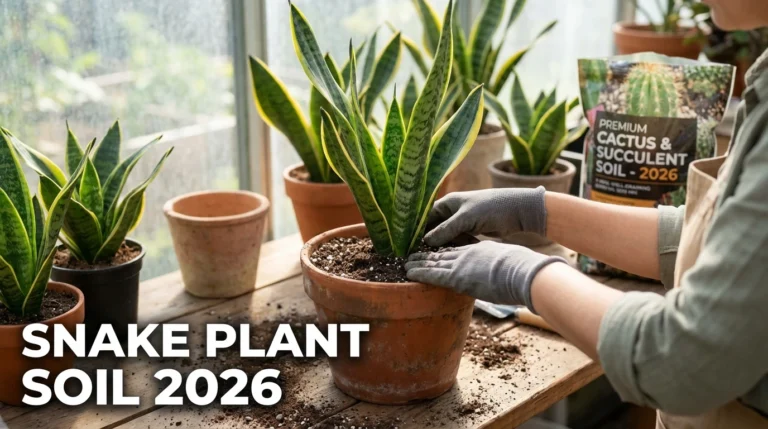
Using the right soil is crucial for succulent health. A well-draining soil mix, often labeled as cactus or succulent mix, will prevent root rot and allow for proper drainage. You can also create your own mix by combining potting soil, sand, and perlite.
Fertilizing
Succulents don’t require much fertilization. During the growing season (spring and summer), you can feed them with a diluted, balanced fertilizer every month. Be cautious not to over-fertilize, as this can lead to nutrient burn.
Common Mistakes to Avoid
Even seasoned plant enthusiasts can make mistakes with succulents. Here are some common pitfalls and how to avoid them:
- Overwatering: Always check the soil moisture before watering. If the top inch is dry, it’s time to water.
- Insufficient Light: Ensure your succulents are receiving adequate light. If they aren’t growing or are stretching towards the light source, consider moving them.
- Wrong Soil: Avoid using regular potting soil, which retains too much moisture. Opt for a mix designed for succulents.
- Neglecting Pests: Keep an eye out for pests like mealybugs and aphids. Regularly inspect your plants and treat any infestations promptly.
Ideas for Incorporating Succulents
Looking to add a bit of greenery to your space? Here are some creative ways to incorporate succulents into your home décor:
- Succulent Terrariums: Create a miniature garden in glass containers, layering different types of succulents for visual interest.
- Wall Planters: Use wall-mounted planters to save space and create a stunning living wall display.
- Succulent Centerpieces: Place a selection of succulents in decorative bowls or pots for a stylish table centerpiece.
- Hanging Planters: Suspend succulents in macramé hangers to add a bohemian touch to your space.
- DIY Succulent Wreaths: Craft a beautiful wreath adorned with various succulents for a unique door decoration.
Expert Tips for Thriving Succulents
Here are some insider tips to help your succulents flourish:
- Rotate Your Plants: To promote even growth, rotate your succulents regularly to ensure all sides receive adequate light.
- Use Gritty Soil Mix: Adding extra perlite or coarse sand to your potting mix can enhance drainage and aeration.
- Consider Temperature: Succulents prefer temperatures between 60°F and 80°F (15°C to 27°C). Protect them from extreme cold or heat.
- Repotting: Repot your succulents every couple of years to refresh the soil and give them more space to grow.
Common Questions About Succulents
Do succulents need a lot of sunlight?
Succulents thrive in bright but indirect sunlight. Too much direct sun can scorch their leaves, while too little light can hinder their growth.
How often should I water my succulents?
Water your succulents every two to three weeks, allowing the soil to dry out completely between waterings to prevent root rot.
Can succulents survive in low light conditions?
While some succulents can tolerate lower light conditions, they generally prefer bright light. If you notice your plant stretching, it may need more light.
Are succulents safe for pets?
Most succulents are non-toxic to pets, but some, like aloe vera, can be harmful. Always research specific varieties if you have pets at home.
How do I propagate succulents?
Succulents can be easily propagated from leaves or offsets. Allow the cuttings to dry for a few days before planting them in soil to prevent rot.
Conclusion
Succulents are not just beautiful additions to our homes; they also play a vital role in improving air quality and promoting our well-being. With their ability to produce oxygen and numerous health benefits, incorporating these resilient plants into your living space is a fantastic choice. By understanding their care and unique characteristics, you can enjoy all that succulents have to offer while creating a vibrant and healthy environment.